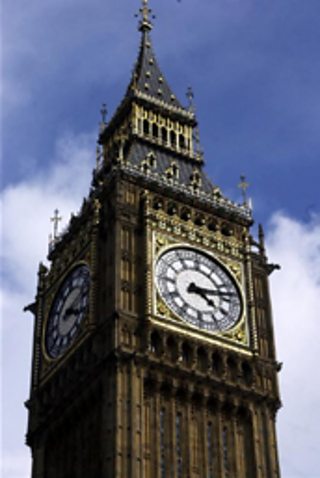
In historical terms, there is of course a long, incremental story behind this expansive glimpse into the hour-by-hour workings of contemporary parliaments. In fact, its launch comes at a very timely moment - just 20 years, almost to the day, since the BBC began regular TV broadcasts from the Commons, on 21 November 1989. As with any innovation, that moment had not been achieved without a deal of struggle. There had been pilots, persuasions, a to-and-fro conversation. Even at its initiation, the Speaker, John Biffen, could only muster enough certitude to call it "a leap in the dark". MP Janet Fookes was way ahead in the freedom of information stakes, when she stated that "the public is entitled to see as well as hear and read what goes on in this place".
Others, however, were far less supportive. One MP, Joe Ashton, warned that TV would transform Parliament into a soap opera on a par with Dallas or Dynasty: "Cameras will turn the Commons into the Neil & Maggie Show or Scrap of the Day" (give that man a job in TV!). Tory backbencher John Stokes was similarly derisive: "Our dress and appearance would alter. It would be a great temptation for certain lady members to wear pretty hats. And viewers might be more moved by the length of their skirts than the length of their speeches. (Male) MPs might think they have to alter their hairstyles and wear make-up..." Well!
It's easy to chuckle at these comments, but it's also a reminder that change and innovation are never easy. Broadcasting, more perhaps than any other medium, holds the glass up to our world, and shows us how speedily it has changed, goes on changing.
In BBC History, we've been looking latterly at many of these innovation moments, and tracking their impact on all of our lives. You can find a Timeline of Innovation on our BBC Story site. It's by no means exhaustive, but what it attempts to show is how - decade by decade - perceptions have been shifted by innovations in TV, radio and other, newer media. And it's not just technology, it's also fresh creative formats, new and different ways of engaging audiences...
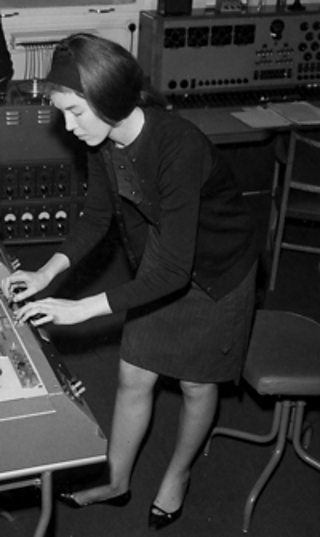
I'm keen to capture audience perceptions of these (and many other) broadcast 'moments'. Go to The BBC Story for an opportunity to do this. Plus there's lots more to find out about the story of the BBC, from feature articles on John Reith, creator of the BBC, to case studies of the BBC's interaction with government, from video tours of Broadcasting House and Television Centre to a weekly object from our artefact/art collection.
(Robert Seatter is the Head of BBC History)
