BBC News Uzbek: press freedom, progress and Russian influence in Uzbekistan

Khayrullo Ubaydullaev
Editor, BBC News Uzbek
Tagged with:
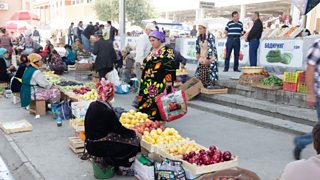
Market in Samarkand, Uzbekistan
A lot has changed in Uzbekistan since 2 September 2016, when the country’s president and iron-grip ruler for 27 years, Islam Karimov, died.
The Uzbek government has opened borders with neighbouring countries, and citizens of Tajikistan have been given a visa waiver for a 30-day visit. This is hugely significant, as in recent years more than 100 people have been killed by mostly unmarked landmines as they were trying to cross the porous frontier between Uzbekistan and Tajikistan, including ordinary people passing through with their cattle or collecting wood.
There have been reports that both countries have now agreed to clear border areas from landmines.
Other boundaries are shifting too. Press freedom has improved, and some of the media outlets criticise government ministries far more frequently than two years ago. Some independent websites are raising eyebrows with their articles on corruption, police brutality and human-rights issues.
While the popularity of the President of Uzbekistan, Shavkat Mirziyoyev, is growing, many complain about corruption and the slow pace of reforms in the judiciary and security services.
There are also worries about Russian influence in the country. The Russian media is very active, and Kremlin-backed TV channels are quite popular among Uzbeks. They are undoubtedly shaping the world view of numerous Uzbeks, many of whom seem to support Mr Putin more than their own president.
Encouraged by the changes in the country, last year we applied for journalist accreditation in Uzbekistan. As we are still waiting for it, the Uzbek authorities have now allowed BBC journalists to report from Uzbekistan with temporary accreditations.
Over the years, we have explored and used every avenue – including, of course, all the relevant social networks – to make sure we remain the most trusted news source for Uzbek audiences which are spread across nations.
While Uzbekistan has a population of well over 32 million, there are millions of ethnic Uzbeks in Afghanistan, Kazakhstan, Kyrgyzstan, Tajikistan and Turkmenistan. The unofficial number of Uzbek migrants in Russia is over five million.
In fact, our audience is not limited to ethnic Uzbeks. Between 1994 and up until 2017, when we stopped them, our radio broadcasts were jammed by the Chinese authorities who didn’t want them to reach their Uyghur minority, as the Uzbek and Uyghur languages are mutually intelligible.
As we reach our diverse audiences, we are the only BBC language service offering content in three scripts: Cyrillic, Latin and Arabic. Half a million unique users engage with us on digital platforms every week. The combined following of our Facebook accounts in all three scripts makes it a leader among Uzbek language social media outlets.
The BBC News Uzbek YouTube channel, which has 210,000 subscribers and has had 110 million views since its launch in 2010, is one of the most popular among BBC World Service languages. A survey in Afghanistan has shown that our TV programme for Uzbek-speakers there is watched by 1.8m people every week.
As the country of our biggest target audience – Uzbekistan – is going through a lot of change, we have launched an editorial initiative to see how lives have evolved there over the past two years. In addition to reporting the news stories of the day, we will give them more lifestyle, business, technology and other content helping to explain the world we live in. We will look at daily lives all over Uzbekistan, to tell human stories beyond the political headlines.
Uzbeks from Uzbekistan and the rest of the world get in touch with us on social media every day, raising the matters that are important to them, sharing their concerns and hopes. We are proud that the driving force behind those messages, emails and phone calls is first and foremost the trust in our coverage of the region and the world.
