BBC Learning, BBC Comedy and the National Literacy Trust have announced a major new comedy writing competition to encourage 13- 15 year olds to have a go at writing comedy.
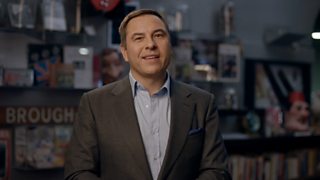
The competition, which is backed by major comedy figures including Charlie Higson, David Walliams (pictured above) and raising star Kerry Howard has three categories:
- Class Joker – Stand-up. Turn personal observations and views of the world into a written and performed stand-up comedy routine.
- Class Act – The Sketch. Write a unique sketch and bring it to life with funny ideas and characters.
- Class Comic – Clever Captions. Find what's funny in an image and write a comedy caption.
Jon Jacob caught up with Helen Foulkes, Creative Director BBC Learning and BBC Comedy Controller Shane Allen to find out more about the initiative.
What was the inspiration for doing a literacy campaign around comedy?
Helen Foulkes: BBC Learning’s campaigns seek to address real educational or societal needs in the UK. More than one in three young people do not achieve a GCSE in English at Grade C or above and our 16-24 year olds came 22nd out of the 24 countries measured for levels of literacy by the OECD. We therefore made literacy one of our campaign priorities for 2016.
Comedy is a great way to engage 13-15 year olds in aspects of literacy, helping them to improve their writing skills as they approach their GCSEs (Nationals and Highers in Scotland). We hope that the campaign will provide 13-15 year olds with a greater understanding of some of the writing techniques used by professional comedy writers and how to construct, analyse and deliver comedy writing.
The BBC is doing this is partnership with the National Literacy Trust – how important is to work closely with them on this?
Helen Foulkes: The National Literacy Trust is one of the UKs leading agencies in promoting literacy. They have worked with us to produce educational resources to support the competition, and have helped ensure they are of real value to teachers, curriculum-linked and easily integrated into lessons. We want Comedy Classroomto make a difference in real classrooms across the UK. BBC Learning is leading the way in the delivering the aspiration for a more open BBC where we increasingly work in partnership with others. This builds on our most recent campaign, BBC micro:bit, where we worked with over 30 partners to help a generation to get creative with coding.
How will the competition work?
Helen Foulkes: This is a UK-wide competition that runs from 19 April to 24July 2016 and delivered through schools. There are three categories: Class Joker – Stand-up, Class Act – The Sketch, and Class Comic – Clever Captions - we’ve designed the entry categories to be inclusive and open to students of all abilities and interests.
To enter you will need to be in Year 9 or 10 in England and Wales, Year 10 or 11 in Northern Ireland or S3 or S4 in Scotland. Students can enter on their own or as part of a group of up to four people, but teachers will then be responsible for uploading and submitting the work before the competition. Teachers can find out all they need to know on our dedicated website.
Can teenagers enter the competition on their own?
Helen Foulkes: We really wanted to make sure that the campaign delivers real educational outcomes, with improvements to the literacy of young people across the UK. So we have designed the competition to be fully integrated into lessons - whether that’s English or Drama, or used by schools in a different way within the timetable. Students will therefore need to enter the competition through their school. We hope teachers will promote the competition and encourage students to enter, but we also want young people to spur their schools to get involved.
What resources are available for the teachers and would be comedy writers?
Helen Foulkes: Teachers can download a fantastic set of resources at bbc.co.uk/comedyclassroom – they will find everything they need to work with students confidently and flexibly on this competition within their classroom with clear objectives and outcomes. The resources have been supported by a cast of comedians and writers, giving the learning resources a sense of authenticity and relevance. There are also some fantastic films written and made by David Williams which explain each of the competition categories. The site also includes some brilliant clips from the BBC's comedy archive that can be used to explain and showcase each of the entry categories.
Could this competition uncover the next generation of comedy writers and performers?
Shane Allen: That’s always something to hope for in a nationwide competition but primarily it’s about the opportunity to unlock everyone’s ability to learn through laughter. The impetus was less of a talent competition to find the writing and performing stars of tomorrow and more about harnessing the techniques and comic devices that make people laugh so that the fun and playfulness inherent in comedy can introduce children to literacy in a lateral and engaging way. It’s not just for the show-offs and extroverts to get more attention! That’s why it’s important to have a variety of categories with the sketch and caption elements geared towards the ‘ideas people’ too. I also hope it helps promote confidence, humour provides a different way to express yourself and also bring people together.
How are you using the competition to engage with the current talent you work with?
Shane Allen: Lots of comedians and comedy writers talk fondly about when they first realised they were funny and often that started in the classroom or playground. People who work in comedy are very passionate and obsessive about it as an art form which should be taken as seriously as drama, as oftentimes comedy can be trivialised or side-lined. The famous writers and performers we work with spend a lot of time, mental effort and energy creating their work as they all strive to be original and make the nation laugh. So all of the big name talent are very behind this on a personal level, as comedy is something that first gave them their confidence and later gave them a career so this is a chance to share the comedy gift with the next generation and show how it’s an important art-form that can inspire young minds to be creative. Comedians talk about their writing all the time – writing jokes, sitcoms, routines and so on, and hopefully this is all about playing with ideas and helping to make writing something enjoyable.
What tips do you have for would be stand ups and writers?
Shane Allen: It’s about playing and experimenting with words and ideas and not everything lands fully formed first time. Try things out on family and friends, road test your work and cut out the bits that don’t get a laugh. Don’t be afraid of negative criticism, call everything ‘a work in progress’. Write what you think is funny, don’t try and second guess your audience/peers. Use your life as inspiration, funny stories you’ve heard or things you’ve noticed that make you smile… work them up. Also - everyone in the whole world is afraid of being embarrassed by saying or doing the wrong thing – but comedy is all about coming up with crazy ideas, saying silly things and making a fool of yourself so embrace it, use comedy to say the most surprising and least predictable thing and if all else fails… trip over something. But make sure you land on something soft please!
You’re one of the judges. What will you be looking for?
Shane Allen: The ideas that feel unique and only that one person or team has created. Something that surprises. Work that feels relatable to a wider audience so that everyone can get it. Well written material that is funny, original and creative and shows characterisation/great characters. Easy, right?
What can they win?
Shane Allen: Winners in each category will have their work made and broadcast by the BBC in the autumn. They will have a chance to visit the BBC to see their work filmed. They will also receive a Comedy Classroom trophy, a signed certificate and a visit from a BBC Comedy comedian to their school.
- Find out more about Comedy Classroom and download resources on the Comedy Classroom website.
