The importance of reconstructions in Crimewatch Roadshow Live

Jenny Dafydd
Series Producer, BBC One Crimewatch Roadshow
How do you create the reconstructions for Crimewatch Roadshow Live?
Every reconstruction starts with detailed research – first and foremost with the police. We only feature cases they want our assistance with, so a lot of potential appeals hit the deck before a single word is scripted – because the investigation just isn’t suitable.
Then it’s really important that we speak to the victims. We’re really interested in building up a picture of the person’s life, what they were doing on the day of the crime, what happened afterwards and most importantly how they felt and what effect the crime has had on them since.
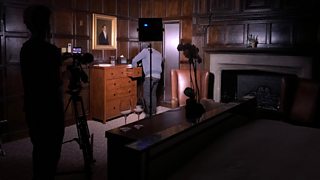
Then we write a script – which usually needs to be checked over by our programme lawyers. Only then will a small team go and film it. Each team has a producer back in the office - then out on the road the team consists of a shooting director, a researcher and a runner - small, but perfectly formed! The last thing victims of crime need is to feel like a huge film crew is arriving at their door.
A big part of the reason Crimewatch Roadshow Live appeals get such a good response from viewers is that people watching have a chance to really connect with the victim and understand whatever ordeal they’ve been through. But reconstructions also help potential witnesses recall the day of the crime – which can help trigger crucial memories.
Do you have to consider people’s reactions before you film a reconstruction?
Yes 100%!
Duty of care to the victims or families is something we have to be really conscious of throughout the entire process. We talk everything through with people before filming and make sure everyone involved understands what we’re going to be doing. Even if you’re feeling emotionally resilient, it must be a peculiar experience seeing an actor playing you on BBC One. We advise people not to come along during filming and we always recommend they carefully consider whether they actually want to watch the finished reconstruction. If they do want to watch it, we always advise them to have someone else with them at the time.
What’s the toughest thing about filming reconstructions?
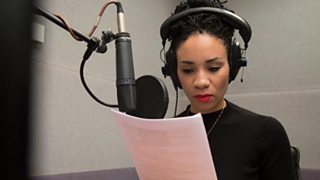
Before we film the reconstructions, we will interview the victim or their family. Those interviews are often the toughest part of the job - particularly in the very saddest cases. The teams are confronted with the pain and grief the individual is suffering and inevitably there are moments when that is very overwhelming. At those times it’s really important for us all to focus on the fact that the reconstructions are an attempt to help catch the person responsible. Then, on a more superficial level, I’m pretty sure the filming teams would cite long night shoots in cold, wet weather as a fairly gruelling part of the process!
How does it feel when you know a reconstruction has led to a perpetrator being arrested?
Getting news of an arrest is without a shadow of a doubt the best part of working on the programme. We actually have a big bell in the office which only gets rung when we get news of an arrest. It’s a huge boost to the team and really reminds us what we do this for. We keep in close contact with the police after each reconstruction has aired and they keep us updated on any arrests and convictions – and whether it was as a result of the programme, so we do get great feedback from the police teams we work with.
What can we expect from the new series of Crimewatch Roadshow Live?
Well, obviously the same high quality reconstructions, CCTV appeals, gallery of Wanted Faces and live content that viewers will be familiar with! We’ll also be featuring the vital work of the emergency services and volunteer rescue groups that keep us all safer.
This time highlights include presenter Michelle Ackerley being lowered 18m down a mine shaft during cave rescue training and Rav Wilding trying his hand at driving a hovercraft while on a training day with the fire service. We always try to make sure the programme reflects topical crime and policing issues, so this time the series will include features on the rise in violent crime, criminals targeting ATMs and puppy farming, to name but a few.
How did you become a series producer?
I’ve worked on the Crimewatch brand on and off over the last decade - from being a researcher on the former evening show, to producing on Crimewatch Roadshow Live. So the series producer role was a really natural step for me. It’s an incredibly rewarding job - despite being extremely demanding (I’ll definitely need a lie down in a darkened room when it’s over). But I’m lucky to have the most fantastic, dedicated team who are a real joy to work with and I just can’t wait to share all their hard work with the viewers!
Watch Crimewatch Roadshow Live Monday - Friday at 9.15am on BBC One and BBC iPlayer.
