
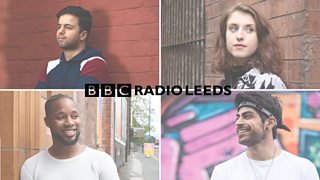
I’m a senior journalist and have been producing radio programmes for over ten years. When I was asked to create a series of new shows, featuring brand new presenters, for the new evening show line-up on BBC Radio Leeds, it was an opportunity I couldn’t turn down.
We’ll probably try to interfere…but don’t let us interfere.
This was the advice from my editors when I told them I had some great ideas to make our new evening shows look and sound like the community in which we live.
All we need to do is take a walk around our towns and cities, see how people look and sound, and reflect that on our station. Easy right? So why do so many people from different backgrounds feel like they are excluded from our content?
Over the years, I’ve been part of diversity schemes, workgroups, surveys, and mentoring programmes all designed to build a more inclusive BBC for staff and audiences. We’re always trying to find new ways of making content that doesn’t exclude anyone, and I’m still part of many projects that will continue to strive for better representation.
But I felt like we needed to take bigger leaps of faith. Creating new evening radio shows was a great opportunity for me to broadcast programmes that reflect our communities in the present day. The aim is simply to be inclusive with our programmes. For me, diversity highlights difference whereas including everyone feels more equal regardless of age, gender, ethnicity, religion, disability, sexual orientation or socio-economic background.
Creating the shows
My aim from the outset was to create one of the most inclusive line-ups on BBC Local Radio.
I wanted new presenters, new music, new voices and people from our towns and cities across West Yorkshire who don’t ordinarily engage with us. Most of my evening show presenters have never presented a radio show or had anything to do with the BBC, but they do have energy, personality and take great pleasure in being part of their local community.
BBC Local Radio has always had loyal listeners who love what we do, but what about those who live in our region, pay a licence fee, and don’t feel like they are included? I felt it was time for us to evolve and be part of topics and conversations that engage younger audiences.
Recording a demo for a radio show involves a lot of talking and finding your on-air voice. After many late nights and early mornings, training and recording demos, my new presenters were ready to go on air. Now we needed programmes.
As the senior journalist, I oversee the content and music for all the new evening programmes to ensure it meets the BBC’s Editorial Guidelines and is reflecting young and inclusive audiences. The content of the programmes is just as important as the presentation and each presenter is passionate and knowledgeable about their guests, topics and music.
Although the identity for BBC stations is quite strict, I knew we needed something different, so I recorded new jingles for accurate pronunciations of presenter names, I also wanted to change the style of the presenter profiles for the new BBC Sounds App, so the way we look matches the way we sound.
The new BBC Radio Leeds family
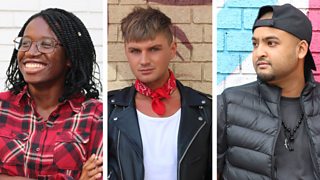
Many people don’t enjoy change. But change is good. There was always going to be resistance from some listeners and critics when we introduced five new shows with five new presenters but after a few months on air, our new shows are truly part of the BBC Radio Leeds family. It’s something we always wanted to do as a station, and knew we needed to evolve.
We champion new and specialist music on The Monday Night Mixtape with three presenters over three hours covering music rooted in Black culture; the emerging Grime scene in West Yorkshire and new Asian fusion and alternative city sounds.
We have a younger more diverse view of the regions’ arts and culture on Backstage with interviews from Marvel conceptual artists and hip-hop royalty including Cypress Hill.
The Scene covers honest conversations relating to LGBTQ+ topics and has featured gripping interviews including the first transgender woman in the Premier League.
Rated goes behind the screens of YouTubers and Content creators and has featured some of the worlds most popular gamers and content creators.
The Friday Night Project has music to get the party started with live mixes from four decades.
The new programmes have been creating a real buzz on social feeds, our presenters have also been featured in specialist magazines; won Media Personality Awards; and been asked to present shows on BBC Radio 6 Music – all within the first six months of broadcasting.
I’m incredibly proud of our new presenters and feel privileged to be part of some new programmes which include and reflect the audiences we serve.
Each of the 39 BBC Local Radio stations has a brand new sound for their evening shows. You can listen to all the new programmes through the week from 7pm-10pm on or catch up on the BBC Sounds App.
