BBC Africa commemorates 40th Anniversary of Soweto Uprisings

Shamima Debar
BBC Communications
Tagged with:
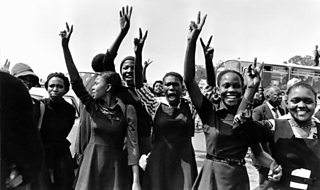
BBC Africa commemorated the 40th anniversary of the Soweto Uprisings in South Africa this week with a series of special programmes on the BBC World Service.
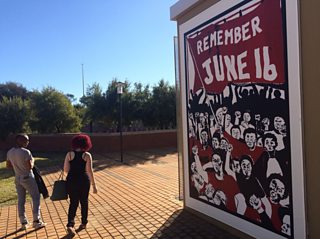
A poster in the Memorial Acre, Soweto. Photo: Manuel Toledo, BBC Africa.
On Tuesday June 16 1976, thousands of black students in Soweto took to the streets to protest an order from the apartheid government which forced them to be taught in Afrikaans; widely viewed as the language of white supremacists.
The students were attacked by the police with tear gas and bullets whilst the route was blockaded. 23 died that day alone, as the students defended themselves against the police and the army with humble stones from the floor.
The Soweto events triggered confrontations across the rest of South Africa and ultimately played a key role in ending Apartheid. June 16 is now a public holiday in South Africa and is called “Youth Day” as a tribute to the young people who sacrificed their lives for equality.
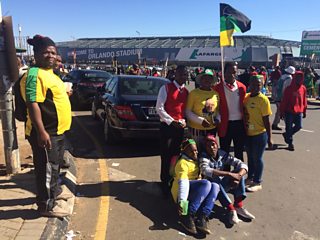
Thousands of young people congregated at Orlando Stadium in Soweto, South Africa, to celebrate Youth Day and commemorate the 40th anniversary of the Soweto Uprising. Photo: Manuel Toledo, BBC Africa.
The BBC World Service’s flagship current affairs discussion programme, BBC Africa Debate was broadcast live from Soweto on Wednesday. Presenters Aubrey Brown and Busisiwe Gumede hosted an invited audience and a panel of distinguished guests including Nomsa Sindani who was a student in Soweto when the uprising started, Khathu Nasha, student leader from University of Johannesburg and Vuyani Pambo, one of the founders of the “Fees Must Fall” student movement.
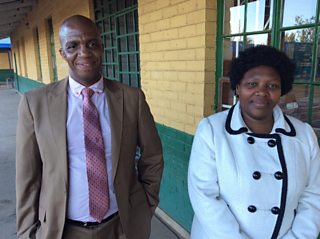
Steven Khanyile, principal of the Morris Isaacson High School in Soweto and Nomsa Sindani, who was a student there during the uprising. Photo: Manuel Toledo, BBC Africa.
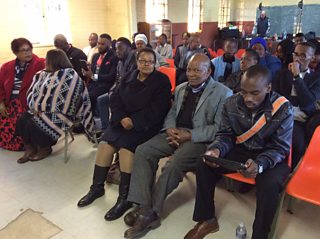
Local people were invited to sit in the audience during the live debate broadcast directly from Soweto. Photo: Manuel Toledo, BBC Africa.
A study by the Africa Development Bank found that Africa has the most youthful population in the world with 200 million people between the ages of 15 and 24.
Focus on Africa discussed the issue of youth discontent and explored what the Soweto protests of 40 years ago achieved for South Africans today.
“It was worth it because now we have our freedom…” Barney Mokgatle, who experienced the uprisings as a child.
Shamima Debar, BBC Comms Trainee.
- Read more about BBC Africa's special programming on the BBC Media Centre
- Listen again to BBC Africa Debate and Focus on Africa
