Ken Loach at 80

Hannah Khalil
Digital Content Producer, About The BBC Blog

Director Ken Loach
I’m sure most people who grew up and studied in the UK will have come across Ken Loach’s work.
My first Ken Loach experience was when I studied the novel A Kestrel for A Knave in secondary school. Barry Hines’ story tells of a northern mining village decimated by the closure of its pit, where a boy finds comfort in his relationship with a bird of prey. It’s a critical examination of how the demise of the British mining industry affected the communities that relied on it, and social realism at its best. As such, the book was perfect fodder for filmmaker Ken Loach who reimagined it on screen as Kes; a 13-year-old me watched it fascinated in an English lesson one Friday afternoon. My love of Loach was born that day and has endured.
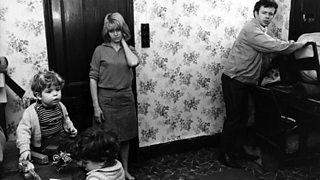
Ken Loach's Cathy Come Home
Loach turns 80 this month and has strong ties to the BBC which were formed in the Sixties when he directed a number of ‘Wednesday Plays’ for BBC One. The most notable of these was Cathy Come Home, "The most important piece of dramatised documentary ever screened" according to The Sunday Times. Cathy Come Home tells the story of one family who have a ‘normal’ life, until Reg loses his job – then they are evicted from their home and have to fight to stay together. In it Loach assaulted the viewer with a style of filmmaking so gritty and realistic it was hard to tell it was fiction at all, challenging the accepted conventions of television drama.
Cathy Come Home was watched by an astonishing 12 million people – a quarter of the British population at the time – when it was broadcast 16 November 1966. A defining moment in British television history, it proved a state of the nation work and caused much discussion and debate; some say was instrumental in the charity Shelter being founded.
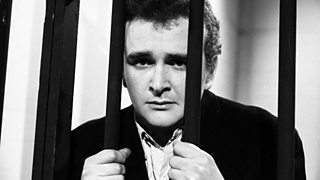
Ken Loach's Three Clear Sundays
Loach’s other BBC Wednesday plays also broached tough subjects, a few examples here: Three Clear Sundays (1965) a drama about capital punishment, In Two Minds (1967) explored the experience of a woman with schizophrenia, The Big Flame (1969) about a group of Liverpool dock workers who occupy the docks in a form of direct action against threats to their livelihood, Days of Hope (1975) explored the First World War from a working class family’s perspective and The Price of Coal (1977), another Hines collaboration, looked at safety in the mines.
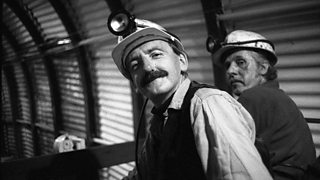
Ken Loach's The Price of Coal
Politics and social commentary have remained at the heart of Loach’s work, as he went on to make films for the big screen that are no less hard hitting: The Wind That Shakes the Barley (2006), Looking For Eric (2008), Route Irish (2009), My Name is Joe (1998), Carla's Song (1996), Land and Freedom (1995), Bread and Roses (2000), Jimmy's Hall (2014) - the list goes on.
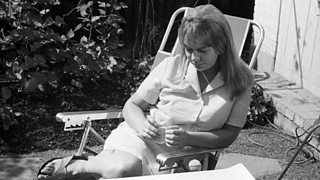
Ken Loach's In Two Minds
Last month Loach’s I, Daniel Blake was at Cannes Film Festival, backed by BBC Films. It’s a project that was a relief to those of us who are fans, after it was suggested Jimmy’s Hall might be his last film. I, Daniel Blakewon the coveted Palme d'Or - Loach’s second win in the history of the competition and 13th nomination.
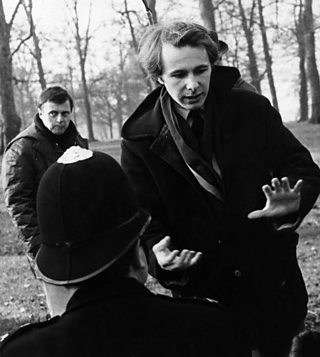
Ken Loach pictured in 1966
Loach aficionados can also enjoyVersus a new documentary about Loach’s life and work which is on release this month, a fitting tribute to the 80-year-old father of British social realist cinema.
Happy birthday Mr Loach, here’s to many more movies.
- Find out more about Loach's award-winning filmI, Daniel Blake
- Learn more about Loach documentary Versus
- Watch a clip of Cathy Come Home on BBC Bitesize
- Listen to Loach on Desert Island Discs in 1999
- Find out more about Loach's films at his production company Sixteen Films website
