The nation's changing TV viewing habits

Pipa Doubtfire
Head of Revenue Management
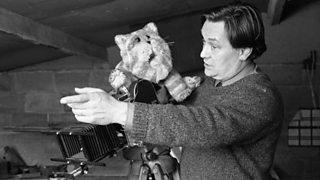
Oliver Postgate with Bagpuss in 1974
The viewing habits of children aged 5-11 and what their parents enjoyed watching when they were children inspires @ArchiveAtBBC latest selection of pictures on Flickr. It also forms the basis of TV Licensing’s latest TeleScope survey, which Head of Revenue Management Pipa Doubtfire introduces below.
Back in December when I blogged about the publication of TV Licensing’s annual report for 2012/2013 I explained a little about our work. Today with the launch of Telescope 2014, I’m able to share another major publication from TV Licensing.
TeleScope is an annual TV industry report produced by TV Licensing and one which presents an insightful snapshot of the nation’s viewing habits. It also provides us with an opportunity to emphasise to people that amid the ever-changing technology landscape, a TV licence is still needed to watch or record live television.
Now in its fourth year, the TeleScope survey changes its focus annually. The first report in 2011 highlighted how we’re watching more TV than perhaps we realise. In 2012 we learnt (amongst other things) that the mainstream growth of second screen technology had created the phenomenon of ‘chatterboxing’, a word describing the use of social media such as Twitter to comment on TV programmes while watching them. And in 2013 we studied the emotional connections with television programmes via our online TeleHappiness app and went some way to measure how output made us viewers happy.
This year we’ve focussed our annual look at the nation’s TV viewing habits, TeleScope 2014, on children’s television. What have we learnt? The living room remains, even with the rise of mobile devices, our favourite place to watch ‘must see’ programmes — naturally enough in the company of our friends and family. Not only that, the UK still loves live TV. As a nation, we watch around four hours of TV a day, with 90 per cent of all viewing being live. This includes events like New Year’s Eve (the most watched programme of 2013), sports events (like Wimbledon) and news - all live TV musts.
And where TVs are concerned, the preference for bigger screens continues. 70 per cent of screens purchased in 2013 were between 26” and 33” with screens over 46” accounting for 16 per cent of sales.
However, tablet ownership continues to increase amongst children. Our research shows the location they are watching TV is changing, especially in their bedrooms. In 2013, the use of tablets at home has tripled (42 per cent from 14 per cent in 2012) for 5 to 15-year-olds, whilst those who had a TV in their bedroom dropped (from 59 per cent to 52 per cent).
So in terms of programming, what are the favourite shows for children and adults alike? Everybody can remember what his or her favourite programme was and many people have a second chance to appreciate a new generation of shows and characters, as they watch with their own children. This common experience is what makes the results of our nationwide survey of the UK’s favourite children’s TV shows so fascinating.
Children’s TV - as well as wider family entertainment programming - continues to play a central role in households. The families we spoke to during our research for TeleScope had a wide variety of watching habits, but all found TV programmes had the ability to bring the family together.
With dedicated children’s channels, such as CBeebies, CBBC, and The Disney Channel, the viewing options for today’s children are greater than ever.
Perhaps it should come as no surprise that whether your era was Grange Hill, Sooty, the Teletubbies or Bagpuss, children’s TV has the ability to make a lifelong impression. It is output which resonates with viewers, creating formative experiences which echo through the years. I can also revel in the indelible memories being formed as my own children now relish the likes of Horrible Histories and Deadly 60.
It’s that joy we all experience whatever age recalling the programmes we enjoyed as children which has inspired our latest YouTube series. We’re celebrating past children’s characters like Noddy, Nanny from Count Duckula and The Wombles through the voice actors who played them. The suite of four films ‘Behind The Voices’ are available on the TV Licensing YouTube video channel – I’ve included one of them below.
Pipa Doubtfire is Head of Revenue Management, TV Licensing.
