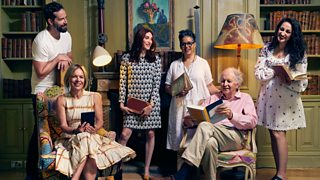
Last night, Stig Abell, Syima Aslam, Juno Dawson, Kit de Waal, Mariella Frostrup and Alexander McCall Smith - our expert panel of leading British writers, curators and critics enlisted by the BBC revealed a 100 genre-busting reads as part of an ambitious Novels That Shaped Our World season. The list, as we hoped, is already causing vigorous debate both in the media and on social media platforms.
The novels chosen by our panel are assessing not just the global significance of the English language novel as an art form, but crucially the effect each title had on them personally. Novels really can and do change our lives for the better and have played a driving role in not just reflecting social transformation but leading it. The panel were encouraged to shift the dial, avoiding a list that simply replicates the predictable roll-call of previous ones.
Rather than asking for a countdown from 100 to 1, BBC Arts asked them to select ten novels that really best spoke to ten themes like identity, politics, family and friendship where the novel has both captured and broadened human experience. We hoped for a list that would be provocative, spark debate and inspire curiosity. We also wanted them to wear the inevitable subjectivity of lists on their sleeve rather that purporting to the impossible goal of a definitive canon. After six months of enthusiastic debate which included sessions at literary festivals across the UK with a public audience, their list is complete. It includes terrific reads and many timeless works of art, unrestrained by old-fashioned distinctions between classics and genre fiction, and plenty of recommendations for neglected masterpieces which I have already begun to work my way through.
The list of 100 is also the departure point for a major Novels That Shaped Our World celebration that will define our books programming across the BBC for the next year including a three-part series of the same name on BBC Two this Saturday with contributions from leading writers and experts. Films on BBC Four look at George Eliot (as seen by artist and film-maker Gillian Wearing), VS Naipaul and Barry Hines respectively and there are many other television documentaries on subjects ranging from household names like Hilary Mantel to lesser known stories like the African literary renaissance of the last fifty years. James Ellroy is sharing his Private Passions with BBC Radio 3 and Chinua Achebe's Things Fall Apart is dramatised for BBC Radio 4. On BBC Sounds, we are releasing new recordings of twenty classic novels including Wuthering Heights, Silas Marner and War of the Worlds. There is much, much more besides.
It would be wrong for a season focused on the social impact of the novel to focus purely on private consumption of both books and programmes about them. Our panel's list of 100 also launches a year-long outreach festival led by Libraries Connected (and supported by Arts Council England) with libraries and reading clubs all around the UK designed to reach out to everyone from committed readers to those who may not have picked up a book in years. The proven benefits of reading are well known: it helps us reach potential as individuals, enables us to empathise with others, and provides comfort at moments when it is most needed. Novels That Shaped Our World - as embodied by the list of 100, the programmes and the outreach events - has one simple aim which is to inspire everybody, whoever they are, to read more novels.
Read the list of 100 English language titles here.
