TVC past, present and future

Mike Eaton
Project Manager, Television Centre
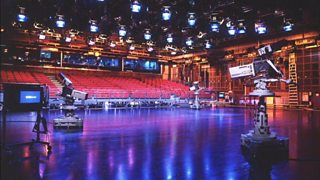
Since July 2012, when the BBC sold the site for £200 million, we have been working in partnership with Stanhope to ensure that Television Centre emerges as a great public space for people to live, work and visit, which pays homage to its past, whilst securing its future as a key destination in West London.
Once described as the Taj Mahal of television, Television Centre stands on what was part of the 1908 Great Exhibition. The BBC acquired the site in 1949, and it became home to the BBC when it opened in 1960. Designed by Graham Dawbarn, it was the world’s first purpose-built centre for television production. In its heyday, half of all BBC television transmitted was made at Television Centre.
I have spent the past 37 years at the BBC working predominantly as part of the Duty Facilities Management team at Television Centre and as such, have been privy to many of the stories that make up its great past. I remember the time, for instance, when the rapper 50 Cent arrived for his appearance on Top of the Pops with an entourage of 13 people carriers. And then there were the unusual demands made by the stars. One time we had to install a fridge just to house Lady Gaga’s wigs. On another occasion, when Madonna requested a life-size picture of the Pope for her dressing-room, the BBC Studios team managed to obtain his waxwork model from Madame Tussauds. These requests often posed their own set of problems. When Janet Jackson asked for 50 lit candles in her dressing-room, we had to position a fire officer outside her door!
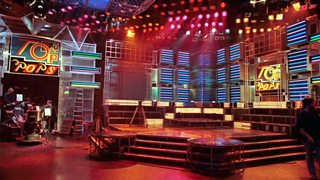
The set of Top of the Pops in 1987
If you missed out on getting tickets for the Open House tour, there is still a chance to own a bit of BBC TV history as the final online auction of Television Centre memorabilia gets underway next month. Some 4,000 items are being auctioned, including memorabilia from BBC TV shows, a range of IT and broadcast technology equipment, posters and signage.
So what does the future hold for this much-loved building? The masterplan prepared by the BBC/Stanhope partnership ensures that the long history of creativity and programme-making at Television Centre continues long into the future.
So remember, when the latest iteration of the BBC logo that has adorned the flank wall of Studio 1 for the last 50 years finally comes down later this month, it is simply an intermission; the BBC will be returning and be very much a part of this vibrant and unique new media site. With the return of BBC Studios and Post Production in 2017, and BBC Worldwide’s move to its new headquarters at the site early next year, we can look forward to having a presence at Television Centre for many years to come.
Mike Eaton is a Project Manager at Television Centre, BBC Commercial Projects
