What are the health risks of an unhealthy diet?
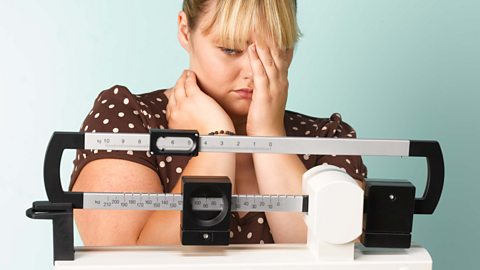
While understanding the benefits of a good diet, it's equally important to recognise the health risks associated with poor eating habits.
- Weight gain — consuming excessive amounts of sugary or fatty foods can lead to obesity. This can increase the risk of health issues such as diabetes and heart disease.
- Nutrient deficiencies — a diet lacking in essential nutrients (like vitamins and minerals) can lead to various health problems, such as fatigue, weakened bones and poor skin health.
- Mood swings and mental health issues — a diet high in processed foods and sugars can contribute to mood swings and increased feelings of anxiety and depression. Think of the body like a car; if a person keeps filling it with the wrong fuel, it'll splutter, stall and not work properly.
- Digestive problems — a diet lacking in fibre can lead to digestive issues, including constipation and an unhealthy gut. Foods like fruits, vegetables and whole grains are crucial for keeping the digestive system running smoothly.
How does a poor diet impact health?
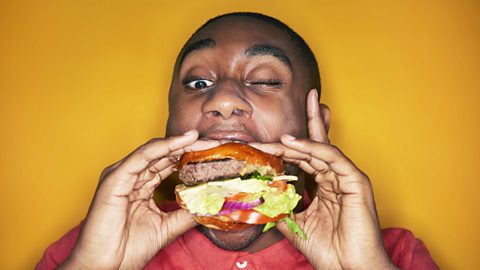
Many people do not buy and prepare fresh food and it's easy to see why.
There is often not enough time and cheap, highly processed, convenience food is always available.
Nevertheless, convenience food has a negative impact on health.
Here are a few examples of this type of food:
- Junk food, like crisps and chocolate, is high in calories but low in nutritional value
- Fast food, such as hamburgers and fried chicken, is prepared and served quickly but is high in fat
- Convenience food, such as microwave ‘ready meals’, often has too much salt and sugar
| Junk food | Convenience food | Fast food |
|---|---|---|
| biscuits cakes chocolate crisps | canned foods (tinned spaghetti and sausages) frozen pizzas microwaveable meals oven chips ready meals | Burger King Chinese takeaway KFC McDonald’s Pizza Hut |
What are the benefits of exercise for health and well-being?
Your body isn’t made to sit around. If joints and muscles are to be kept in good, working order they need regular exercise.
If exercise stops, the body will struggle to function.
The benefits of exercise
Exercise has a lot of benefits, both in the short-term and long-term.
Short-term benefits

- Improved mood — exercise releases endorphins, which help reduce stress and boost happiness.
- Better energy levels — regular movement increases blood circulation, making a person feel more awake and active.
- Stronger muscles and bones — even light workouts help strengthen muscles and support bone development.
- Better focus and concentration — physical activity improves blood flow to the brain, which can help with studying and learning.
- Improved sleep — exercising can help a person to fall asleep faster and improve sleep quality.
- Social benefits — playing sports or exercising with friends builds teamwork and communication skills.
Long-term benefits
- Better heart health — regular exercise reduces the risk of heart disease later in life.
- Stronger bones and muscles — helps prevent osteoporosis (weak bones) and muscle loss as a person gets older.
- Healthy weight management — reduces the risk of obesity and related health problems.
- Lower risk of chronic diseases — exercise lowers the chances of developing diabetes, high blood pressure and other health conditions.
- Improved mental health— staying active reduces the risk of anxiety and depression over time.
- Lifelong healthy habits — exercising as a teen makes it more likely that a person will continue staying active as an adult.
What factors influence emotional and physical health?

Positive attitudes toward health and well-being
Having a positive approach to health means making good choices about food, exercise and mental well-being.
Physical Benefits
- Stronger body — eating nutritious food, exercising, and staying hydrated help with growth and energy.
- Better immune system — a healthy lifestyle helps prevent sickness and infections.
- Increased energy — good habits like regular exercise and sleep improve stamina and focus.
- Healthy weight maintenance — avoids problems like obesity or being underweight.
Mental and Emotional Benefits
- Improved self-confidence — when someone feels good physically, their self-esteem grows.
- Lower stress and anxiety — exercise and good nutrition can help manage stress and improve mood.
- Better focus and school performance — a healthy mind makes it easier to concentrate and learn.
- Good social connections — positive health habits often involve teamwork and social activities, reducing loneliness.
Negative attitudes toward health and well-being
Ignoring health or developing unhealthy habits can lead to negative outcomes.
Physical consequences
- Weaker immune system — poor diet and lack of sleep can make a person more prone to illness.
- Weight issues — unhealthy eating and no exercise can lead to obesity or malnutrition.
- Low energy levels — eating too much junk food and inactivity can make a person feel tired and sluggish.
- Increased health risks — smoking, alcohol and poor diet increase the risks of diabetes, heart disease and other issues later in life.
Mental and emotional consequences
- Higher stress and anxiety — unhealthy habits can worsen mood and lead to mental health struggles.
- Low self-esteem — poor health choices may lead to body image issues.
- Poor sleep quality — bad habits like excessive screen time and poor diet can affect sleep, making it harder to focus.
- Lack of motivation — a negative attitude toward health can lead to low motivation in school, sports and personal goals.
A person’s attitude towards health now will shape their future.
Making small positive changes — like eating healthier, exercising and getting enough rest — can have lifelong benefits.
On the other hand, neglecting health can lead to long-term struggles.
The key is balance — enjoy life, but also take care of the body and mind.
Lifestyle factors
Certain lifestyle factors can have a big impact on both physical and mental health.
Below, we’ll explore the causes, consequences and effects of poor hygiene, stress, unequal work-life balance and income on young people.
Poor hygiene

Causes
Below are some of the reasons why some young people might have poor hygiene.
- Lack of awareness — some teens may not fully understand the importance of hygiene.
- Low self-motivation — feeling too lazy or unmotivated to maintain hygiene habits.
- Mental health struggles — depression or anxiety can make self-care difficult.
- Financial difficulties — some may not have access to hygiene products (soap, shampoo, deodorant) due to cost and priorities.
- Busy schedule — school, sports or other activities might make hygiene feel less important.
Consequences and impact on health and well-being
Physical health effects:
- increased risk of infections like skin infections, gum disease, body odour
- higher chances of acne, dandruff and other skin issues
- bad breath, leading to dental problems like cavities and gum disease
Mental and social effects:
- low self-confidence and self-esteem due to body odour or appearance
- social isolation or bullying if others notice poor hygiene
- increased stress or anxiety about personal image
Stress

Causes of Stress:
- School pressure — exams, homework and grades can be overwhelming
- Social issue — friendship problems, peer pressure or bullying
- Family issues — arguments, high expectations or household problems
- Extracurricular activities — balancing sports, clubs, and personal time
- Technology and social media — constant notifications and fear of missing out (FOMO)
Consequences and impact on health and well-being
Physical health effects:
- headaches, fatigue and difficulty sleeping
- weakened immune system, making it easier to get sick
- stomach aches and digestive issues
Mental and emotional effects:
- increased risk of anxiety and depression
- difficulty concentrating in school
- mood swings, frustration and irritability
Unequal work-life balance
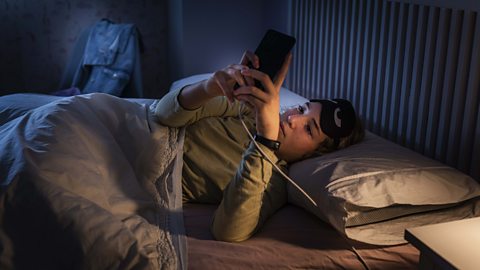
Causes: why might young people might have an unbalanced life?
- Too much homework and school pressure and not enough time to relax
- Part-time Jobs — working after school and on weekends
- Excessive extracurricular activities — sports, clubs and commitments taking up all free time
- Too much screen time — spending excessive time on social media or gaming instead of resting
Consequences and impact on health and well-being
Physical health effects:
- fatigue and lack of sleep
- increased stress leading to headaches and stomach problems
- poor eating habits due to a rushed lifestyle
Mental and emotional effects:
- feeling overwhelmed and exhausted
- less time for fun, relaxation and socialising
- higher risk of burnout and mental health struggles
How does income impact health and well-being?

Financial struggles and their effects on young people
Causes: How can income affect young people?
- Family financial struggles — if parents have a low income, it may affect daily life
- Limited access to resources — not being able to afford school supplies, clothes or entertainment
- Pressure to work — some young people feel the need to get a part-time job to help their family
- Social pressure — feeling left out if unable to afford brand-name clothes or activities
Consequences and impact on health and well-being
Physical health effects:
- poor nutrition due to limited access to healthy food
- lack of medical care if healthcare is too expensive
- increased fatigue if working long hours or skipping meals
Mental and emotional effects:
- anxiety and stress about money and the future
- low self-esteem if feeling different from wealthier peers
- less participation in social activities, leading to isolation
These lifestyle factors — hygiene, stress, work-life balance and income — can have a huge impact on a young person’s health.
The key to staying healthy is self-care, managing stress, balancing responsibilities and seeking support when needed.
Why are vaccines important?
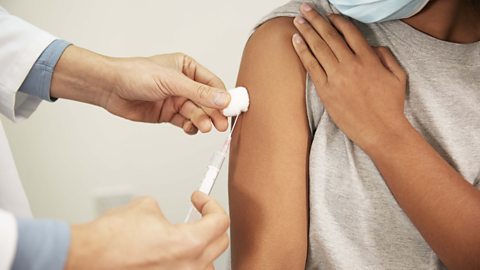
A simple injection can protect from some major health problems.
Vaccinations can offer protection from diseases that once caused millions of deaths such as diphtheria, tetanus, measles, mumps, polio and meningitis.
These diseases are things of the past thanks to large-scale vaccination.
Scientists had to develop new vaccines when the Covid-19 pandemic broke out in 2020 and these played a large role in fighting the disease.
Are vaccinations safe?
Getting a vaccination is much safer than catching the disease it prevents.
A vaccination may cause side-effects, like any medicine, which may include soreness, redness and swelling in the area of the needle.
Some people may experience a minor fever.
What are the effects of unhealthy lifestyle choices?
The choices made by teenagers about alcohol, smoking and drugs can have serious short-term and long-term effects on their physical and mental health.
What impact does drinking alcohol have on health and well-being?

Alcohol such as beer, wine and spirits are legal to buy, only if you are over 18.
Causes: why might young people drink alcohol?
- Peer pressure — friends may encourage drinking to fit in
- Curiosity — wanting to try new experiences
- Stress or emotional escape — using alcohol to cope with anxiety, depression or family problems
- Media influence — movies, TV and social media can glamorize drinking
- Family influence — if parents or older siblings drink, young people might see it as normal
Consequences and impact on health & well-being
Short-term effects:
- Poor judgment and decision-making, leading to risky behaviour
- Loss of coordination and memory problems
- Increased risk of accidents, injuries and alcohol poisoning
- Conflict with parents, teachers or the law
Long-term effects:
- Increased risk of addiction if drinking starts at a young age
- Damage to brain development, affecting memory and learning
- Liver damage and heart problems later in life
- Higher risk of developing mental health issues like depression and anxiety
What impact does smoking and vaping have on health and well-being?
Nicotine
Nicotine is another legal drug that is used as a mild stimulant and is consumed in cigarettes, cigars, pipes and vapes.
Smoking, of any kind, can have very bad side effects, including:
Causes: why might young people start smoking?
- Peer pressure — friends may influence them to try smoking
- Curiosity — wanting to experiment with smoking or vaping
- Stress relief — some believe smoking helps with stress and anxiety
- Social media and advertising — influencers and ads make vaping seem “cool” or harmless
- Family influence — having family members who smoke increases the chances of trying it
Consequences and impact on health and well-being
Short-term effects:
- Breathing problems (coughing, shortness of breath)
- Bad breath, yellow teeth and smelly clothes
- Addiction to nicotine, which can make quitting hard
- Increased heart rate and blood pressure
Long-term effects:
- Increased risk of lung cancer and other cancers
- Chronic lung diseases like asthma or A lung disease that makes it difficult to breathe.
- Weaker immune system, making it easier to get sick
- Financial burden — smoking is expensive over time
What impact does drug use have on health and well-being?
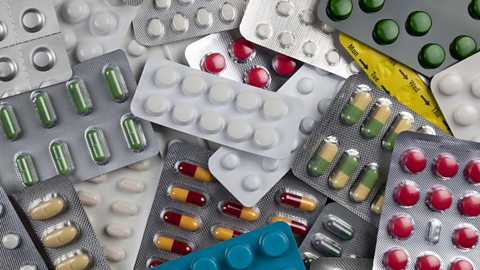
Prescription drug misuse and illegal substances
A drug is a chemical substance that affects the processes of the mind or body.
Some drugs are legal and can be bought in shops and supermarkets such as alcohol, cigarettes and mild painkillers.
Others are medicines, prescribed by doctors to treat illnesses.
Illegal drugs are banned by the government.
Illegal drugs
There is a huge range of illegal drugs that change the user’s state of mind. Some induce euphoria and confidence, others dull pain or cause hallucinations.
The best-known illegal drugs include cocaine, heroin and MDMA — which is also known as 'ecstasy’.
Different drugs affect health in different ways, but there are some problems common to them all.
- More illnesses, deaths, and disabilities are caused by substance abuse than from any other preventable health condition
- Drugs weaken the immune system, leaving people open to infections
- Some drugs can cause nausea, vomiting and abdominal pain
- Some drugs can cause heart disease; this may be an abnormal heartbeat, but it could escalate to a heart attack
- Injected drugs, such as heroin, can cause veins to collapse and infections in the circulatory system
- Seizures, strokes and other types of brain damage can be caused by some types of drugs. This may leave a person with long-term memory and cognitive problems. Others can cause mental illness such as depression or schizophrenia
- Many drugs are addictive, which means that users are compelled to use the drug whether they really want to or not. This can lead to financial and social problems as the user prioritises the drug over other aspects of their life
- Some drugs can kill through overdose
Causes: why might young people use drugs?
- Curiosity and experimentation — trying drugs just to see what they’re like
- Peer pressure — friends may encourage drug use
- Coping with stress, anxiety, or depression — using drugs to escape problems
- Influence from media and music — some songs and movies make drug use seem glamorous
- Family or environment — if drugs are common in the household, young people might be more likely to try them
Types of drug use and their impact
Misusing legal prescription drugs eg painkillers, ADHD medication or anti-anxiety pills
Consequences and impact:
- Overdose risk, especially if mixed with alcohol or other substances
- Addiction and dependence, making it hard to function without them
- Damage to organs like the liver, heart and brain
- Mood swings, paranoia or depression
Using illegal substances eg marijuana, cocaine, ecstasy, heroin
Consequences and impact:
- Impaired thinking, memory loss and poor academic performance
- Increased risk of addiction and long-term health issues
- Legal trouble, which can affect future opportunities (further education, jobs)
- Mental health issues like paranoia, depression and anxiety
- Overdose risk, which can be life-threatening
All three of these choices — alcohol, smoking and drugs — can have serious consequences, especially for teenagers whose bodies and brains are still developing.
A healthy lifestyle means making positive choices that benefit both physical and mental well-being.
Classification table
| Classification | Drug name |
|---|---|
| Class A | crack cocaine, cocaine, ecstasy (MDMA), heroin, LSD, magic mushrooms, methadone, methamphetamine (crystal meth) |
| Class B | amphetamines, barbiturates, cannabis, codeine, ketamine, methylphenidate (Ritalin), synthetic cannabinoids, (eg mephedrone, methoxetamine) |
| Class C | anabolic steroids, benzodiazepines (diazepam), gamma butyrolactone (GHB), piperazines (BZP), khat |
| Temporary class drugs | Some methylphenidate substances (ethylphenidate, 3,4-dichloromethylphenidate (3,4-DCM, methylnaphthidate (HDMP-28 ) isopropyphenidate (IPP or IPPD), 4-methylphenidate, ethylphenidate propylphenidate) and their simple derivatives |
Watch: Video
Watch: How lifestyle choices can affect personal health
More on Personal health and well-being
Find out more by working through a topic
- count3 of 4

- count4 of 4
- count1 of 4