Introduction
This study guide will cover:
The importance of EQUALITY in society.
The VICTIMS of discrimination.
The LAWS that promote equality in Northern Ireland.
These three key terms will remind you of the detail required for your exam.
EQUALITY - VICTIMS - LAWS
Watch: Discrimination and inequality in society
Dealing with inequality in society
Narrator:
Three kids turn up to a football match. One is tall, he's 50 feet tall. Right? Okay no. Okay fine - he's not that tall.
One is average height, and their friend is very short.
A low wall separates the stands from the field, and they're in the front row.
The stadium’s packed. It's standing room only.
The tall one can see over the wall easily. His friend can just about get her nose over, but their small companion, hasn't got a chance.All of them are equal. They're all standing on the ground. They all paid the same amount for the tickets. But is it fair?
A steward offers our little friend a stool, to stand on, and a box for his mate. Now they're all the same height. It's not equal. Each is standing at a different height, but it is fair. Everyone can see the game.
Life is full of inequalities. Some of them are unplanned, like the height of that wall.
Some of them built intentionally, like racism.
When inequality exists, but isn't put right it's called discrimination.
We discriminate all the time, and that's a good thing. After all, why would you choose ugly clothes? A tasteless meal or a boring movie.
Calling someone discriminating is a compliment. It means they have good taste.
The problem comes when we discriminate between people for reasons that are based on fear or prejudice.
It's fine to choose not to spend time with someone if they're hurtful to you.
The problems start when you begin to treat people differently based on their race, gender, or beliefs.
People who are discriminated against feel vulnerable, depressed, lonely, and fearful.
Imagine how bad it feels if government, business, or society as a whole discriminates against you.
How would you feel if people were against you everywhere you went?
What is social responsibility?
Social responsibility refers to the commitment of individuals, organisations, the media and government to act in ways that are good for society and the environment. It involves making ethical choices, helping communities and reducing any harm caused to others or the planet.
What is the social responsibility of politicians and MLA's?

All MLAs are expected to behave in a way which encourages public trust and confidence, by adhering to the MLA's Code of Conduct — a set of ethical standards and rules based on principles.
MLAs can act in a socially responsible way by:
- always acting in the interest of the public rather than personal interests
- never undertaking any action which would bring the Assembly into disrepute
- upholding criminal law and equality law — always acting within the law
- declaring any financial interests
- declaring other employment and earnings
MLAs in breach of the Code of Conduct may be investigated (by the Northern Ireland Assembly Commissioner for Standards). If the MLA is found to be in breach of the Code of Conduct they may face sanctions. This helps to ensure MLAs act responsibly.
What is the social responsibility of public representatives?
Northern Ireland's public representatives, such as local councillors, should always behave in a socially responsible way.
- Always act according to their institution's or organisation's code of conduct.
- Always act with integrity and honesty.
- Always be responsible in the ways they communicate for example, when using social media, they should show respect for others and be careful not to cause offence.
- Declare any conflicts of interest which might affect their decisions. For example, if the council have to make a decision about awarding a contract to a business and the councillor is involved in the business, they need to declare this.
- Inform their constituents about the actions and decisions being made that can affect them.
- Never act in their own interest, always represent the views of their constituents and act in the best interests of them.
- Never engage in illegal activities or be involved with people or groups, including paramilitaries, that are engaged in illegal activities.
- Show leadership and being able to put aside the differences they may have with councillors from other parties and being able to work together to solve problems and serve the community.
What is the social responsibility of the media?
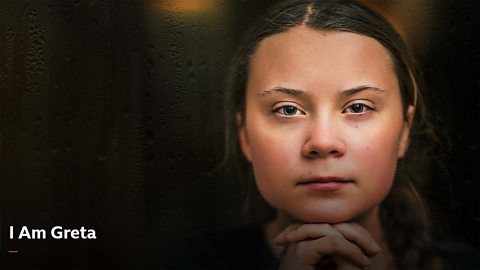
Media companies can ensure that they act socially responsibly by:
- following a code of practice offering guidelines about what they can and can't publish in the public interest.
- having policies and guidelines in place that provide direction about expected standards of professional behaviour in relation to data protection and obtaining, recording, storing and reporting information to the public.
- providing unbiased, impartial and authentic information that does not mislead the public and accurately interprets actions, issues and events.
- the careful use of language and content, taking care to not create tension or cause offence between different groups in society.
- being inclusive in their coverage of issues and by fairly reflecting the diverse viewpoints in society — which in turn supports equality.
- raising public awareness about social equality issues, human rights abuse and corruption. They can help hold the government and those responsible to public account. Making the public aware of issues that can affect society is part of the media's social responsibility.
- educating and entertaining the public in an inclusive way - making sure they provide content that accommodates the rich and diverse groups in society.
How can individuals act in a socially responsible way?
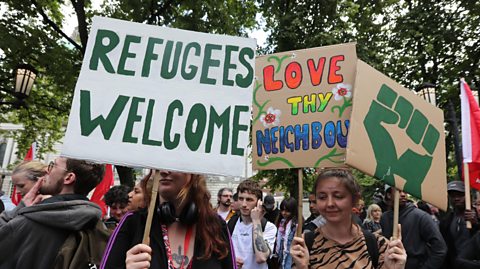
Individuals can act in a socially responsible way by:
- fundraising
- joining an NGO
- joining or supporting a pressure group
- lobbying MPs/MLAs
- organising a petition
- participating in community based activities
- propaganda
- publicity stunts to highlight injustices
- taking part in marches
- volunteering
- voting
How can young people show they are socially responsible?
What are the main ways young people can show they are socially responsible?
- By not behaving in ways which have a negative impact on the community or others such as taking drugs, drinking in public, vandalism and criminal activity.
- By behaving responsibly and understanding how their behaviour can affect others and the community.
- Showing and treating others with respect by developing an understanding of others and their differences.
- Encouraging active participation — encouraging others to volunteer and make a positive contribution to society.
- Make themselves more aware of social issues at local and global levels and take action to help address these.
- Do voluntary work with an NGO/community group to tackle social/environment issues, eg homelessness, elderly care or poverty.
- Participate in elections by voting once they've reached 18 years of age — by voting in elections they can have their say in how society is governed.
- Respecting the rule of law and obeying the laws of the country.
What is equality and social justice?
Equality
Equality is when each person is seen as equal in the eyes of the law. A government that protects human rights makes one set of laws for everyone, not different laws for different people.
In the past, the law has discriminated against some groups based on their race, religion, gender or sexuality.
Social justice
Social justice is when each person can exercise their rights within a society.
A government that promotes social justice ensures that everyone has physical security, education, healthcare and employment.
Discrimination
Discrimination is choosing to favour one thing over another.
People discriminate all the time. By picking clothes of a certain colour or by choosing certain foods over others. Sometimes people are called ‘discriminating’ to show that they have good taste.
The problem arises when people discriminate against others.
Too often, people are discriminated against because of who they are. They may suffer from unemployment, lower wages, abuse or violence because of their gender, race, religion or sexuality.
What are causes and consequences of social inequality?
Social inequality arises from various factors that create disparities in wealth, opportunities and rights among different social groups. Here are some of the main causes:
Economic factors
| Cause | Consequence |
|---|---|
| Income disparity | Unequal distribution of wealth leads to differences in access to healthcare, education and other basic needs. |
| Unemployment and underemployment | Limited job opportunities or low wages keep certain groups in poverty. |
Education inequality
| Cause | Consequence |
|---|---|
| Unequal access to quality education | Poor communities often have underfunded schools, limiting future opportunities. |
| Cost of higher education | Expensive tuition fees prevent lower-income students from pursuing advanced degrees. |
Discrimination and social prejudices
| Cause | Consequence |
|---|---|
| Gender inequality | Women often earn less than men and have fewer leadership opportunities. |
| Racial and ethnic discrimination | Certain groups may face systemic barriers to employment, education, and healthcare. |
Globalisation and trade
| Cause | Consequence |
|---|---|
| Exploitation of labour | Low-income countries often provide cheap labour for multinational corporations, keeping wages low. |
| Unequal trade policies | Wealthier nations benefit more from global trade, leaving poorer nations struggling to compete. |
Historical factors
| Cause | Consequence |
|---|---|
| Colonialism and slavery | The effects of historical oppression still influence economic and social structures today |
| Inherited wealth and privilege | Generational advantages keep certain families or groups in power while others remain disadvantaged. |
Environmental factors
| Cause | Consequence |
|---|---|
| Climate change and natural disasters | Poorer communities suffer more from environmental degradation due to lack of resources. |
| Unequal land distribution | Access to fertile land and natural resources is often controlled by a small elite. |
Social inequality leads to widespread poverty, limited access to education and healthcare and reduced economic growth. It increases crime rates, creates division between groups in relation to wealth and fosters discrimination. Globally, it leads to migration, brain drain and environmental damage.
What are causes and consequences of social injustice?
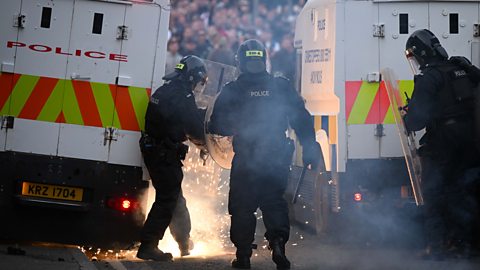
Social injustice comes from:
- discrimination
- economic inequality
- corrupt governance
- unequal access to education and healthcare
Factors like racism, gender bias and class divisions reinforce oppression.
Political corruption, weak legal systems and historical injustices further marginalise vulnerable groups.
Consequences of social injustice
Social injustice leads to:
- poverty
- discrimination
- violence
- political instability
It weakens social cohesion, limits opportunities, increases crime and causes mental and physical health issues.
More on Government and civil society
Find out more by working through a topic
- count2 of 3
- count3 of 3