Key points
Hardwoods are strong, durable, and have attractive grain patterns. They are used for furniture, floors, boat building, and musical instruments. Examples include mahogany, oak, and beech.
Softwoods are lightweight, easier to cut, and more affordable. They are used in construction, furniture, and paper. Examples include pine and cedar.
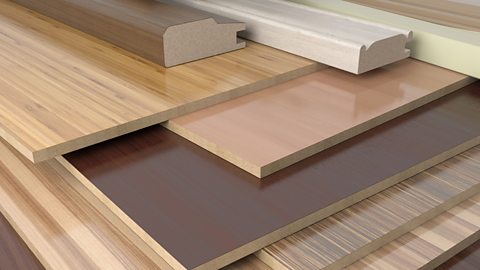
Manufactured boards are consistent, versatile, and affordable. They are used for furniture and construction. Examples include plywood, MDF, chipboard, and veneered boards.
What are the properties and uses of hardwood
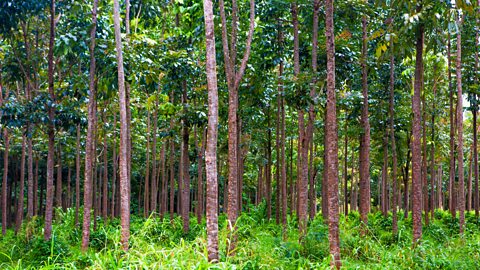
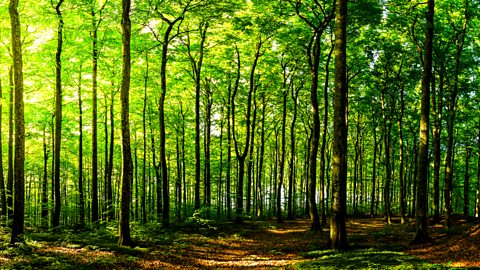
Hardwoods come from trees with broad leaves and are known for being strong and durable. They are great for furniture and floors because they can handle heavy use. Hardwoods also have unique grain patterns, which makes them look attractive in various items.
| Properties | Application | |
|---|---|---|
| Mahogany | Mahogany is dense durable and strong, resistant to rot moisture and decay. Its rich reddish brown colour fine grain and excellent dimensional stability make it ideal for outdoor use and finishing. | Mahogany is commonly used for furniture, boat building, musical instruments and veneer due to its combination of strength, beauty and stability. |
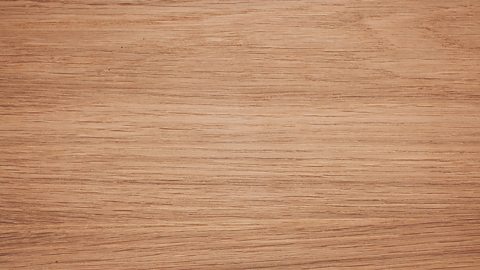
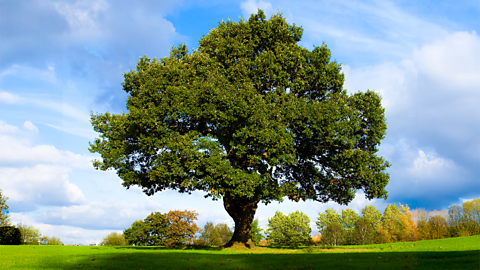
| Oak | Oak is dense, heavy and durable with high resistance to wear and impact. Its light to medium brown colour and attractive grain make it ideal for furniture flooring and ageing beautifully. | Oak is commonly used for furniture, flooring, doors, beams and joinery. |
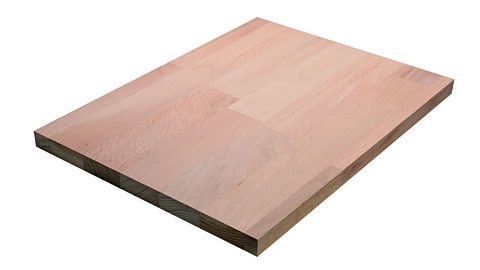
| Beech | Beech is hard, dense and strong with good shock resistance and natural antiseptic qualities. Its pale cream to light brown colour and smooth texture make it ideal for kitchen utensils and finishing. | Beech is widely used for furniture, tool handles, flooring, veneers, kitchen utensils, chopping boards and wooden toys. |
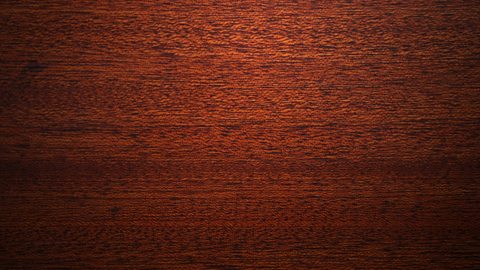
Image caption, Mahogany is dark reddish brown and has a very fine grain
1 of 6
What are the properties and uses of softwood
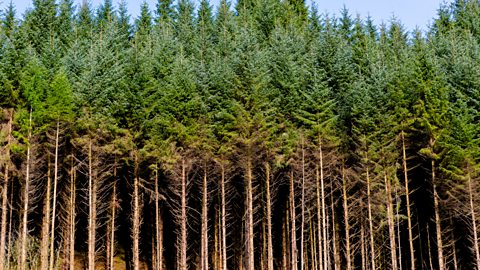
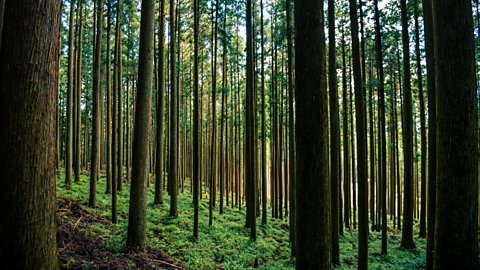
Softwoods come from trees with needles and cones, like pine and cedar. They're usually lighter and easier to cut than hardwoods. Because they grow faster, softwoods are often used in construction and for making things like furniture and paper. They may not be as durable as hardwoods, but they're more affordable and versatile.
| Properties | Application | |
|---|---|---|
| Pine | Pine is lightweight and soft making it easy to work with. It has moderate strength good moisture resistance and a pale yellow or light brown colour, often used in construction for its low cost. | Pine is commonly used in furniture, construction, flooring and doors. It is also popular for DIY projects. |
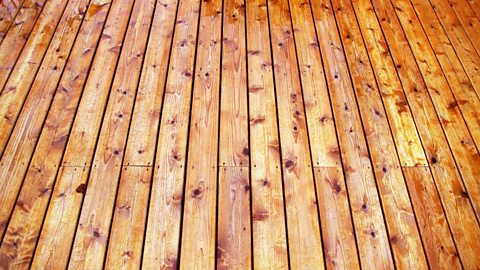
| Cedar | Cedar is lightweight with good dimensional stability and resistance to warping. Its aromatic scent resists rot and insect damage. Available in light reddish brown to pinkish brown, it's suitable for outdoor uses. | Cedar is commonly used in outdoor furniture, decking, fencing and cladding |
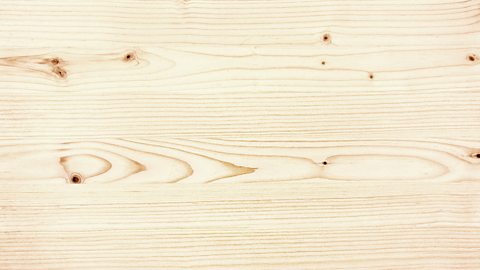
Image caption, Pine is light cream in colour with dark brown lines and knots throughout
1 of 4
What are manufactured boards?
Manufactured boards are made by pressing and gluing together wood fibres or particles. They are consistent and versatile, making them useful for furniture and construction. These boards are often more affordable and adaptable compared to solid wood, offering a practical alternative for various projects.
| Properties | Application | |
|---|---|---|
| Plywood | Plywood is a lightweight, strong material made from glued layers of wood A thin layer of real wood used to enhance the appearance of manufactured board and add strength.. It resists warping and comes in various thicknesses and grades, suitable for both load bearing and decorative applications | Plywood is widely used in construction for walls, roofs, and flooring. It is also used in furniture making, boat building and interior panelling. |
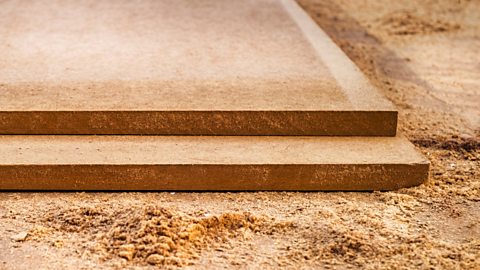
| MDF (Medium Density Fibreboard) | MDF is a dense smooth board with an even texture ideal for detailed machining. It has good dimensional stability and is excellent for painting but can swell and deform when exposed to moisture. | It is also used in doors, drawer fronts and decorative mouldings. |
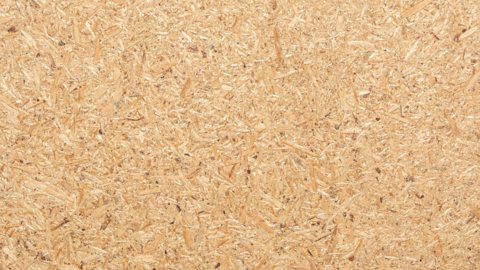
| Chipboard | Chipboard is lightweight with a uniform texture made from wood particles. It is less dense and weaker than MDF and plywood, often covered with laminate to improve appearance and durability. | Chipboard is commonly used in furniture (especially flat pack furniture), cabinets and packaging. It is also used for shelves, internal partitions and backing for furniture and cabinets. |
| Veneered Manufactured Boards | Veneered boards consist of a core layer like MDF or chipboard covered with a thin veneer of natural wood. This provides a smooth finish mimicking solid wood while adding strength and stability. | Veneered manufactured boards are used in furniture, cabinets, panelling, and doors. |
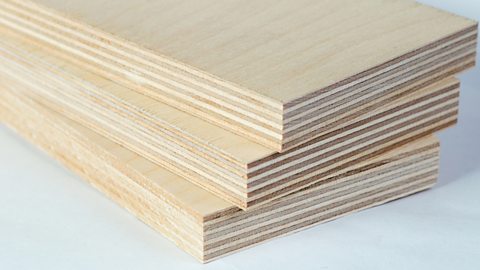
Image caption, Plywood is made from an odd number of veneer layers which are glued at 90-degree angles for strength
1 of 4
Test yourself
More on Manufacturing - materials
Find out more by working through a topic
- count1 of 4