Key points
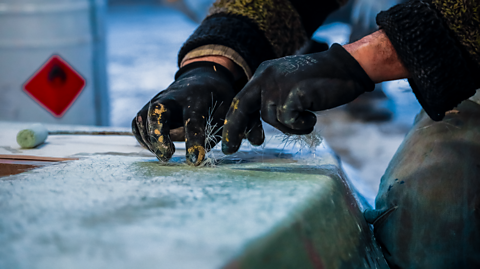
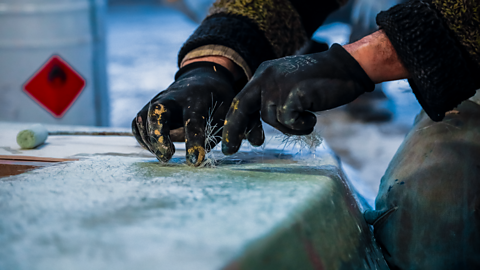
- Thermosetting plastics set hard when heated and cannot be remelted. They are durable, heat-resistant, and maintain their shape at high temperatures. Once set, they are rigid and strong.
- Thermoplastics can be melted and reshaped multiple times when heated. They are flexible and can be moulded into various shapes, making them useful for items like containers, toys, and pipes. Unlike thermosetting plastics, they return to a liquid state when heated and can be reprocessed.
What are thermosetting plastics?
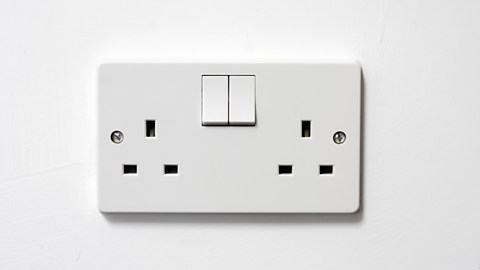
Thermosetting plastics are materials that set hard when heated and cannot be remelted. They are durable, heat resistant and maintain their shape even at high temperatures. Once set, they are rigid and strong, making them ideal for things like electrical insulators and car parts.
| Properties | Application | |
|---|---|---|
| Melamine | Melamine is hard, durable and heat resistant. It has a smooth glossy finish and is suitable for long lasting surfaces. | Household and commercial products where strength, aesthetics and heat resistance are important such as picnic plates cupboard doors and countertops. |
| Polyester Resin | Polyester resin is lightweight rigid and resistant to chemicals. It can be transparent or coloured and becomes durable when reinforced. | Boat hulls and car bodies |
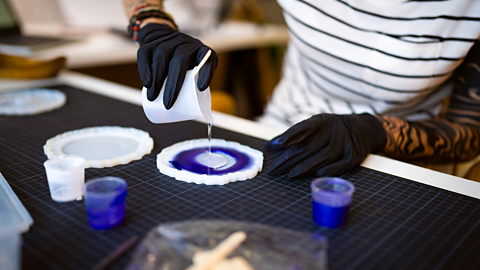
| Epoxy resin | Epoxy resin has high strength durability and chemical resistance. It can be clear or coloured with a glossy smooth finish and is used in resin art furniture and countertops. | Resin art, furniture and countertops |
| Urea Formaldehyde (UF) | Urea formaldehyde is hard, rigid and heat resistant. It has high tensile strength. It is an excellent electrical insulation. | It can be moulded and coloured with a smooth glossy surface for various applications. |
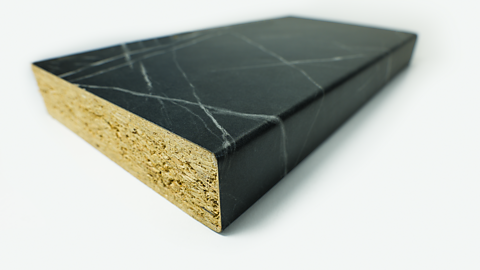
Image caption, Piece of worktop coated with melamine
1 of 4
End of image gallery
What are thermoplastics?
Thermoplastics are plastics that can be melted and reshaped multiple times when heated. They are flexible and can be moulded into various shapes, making them useful for items like containers, toys and pipes. Unlike thermosetting plastics, they return to a liquid state when heated and can be reprocessed.
| Properties | Application | |
|---|---|---|
| Acrylic | Acrylic is lightweight strong and shatter-resistant with good weather and UV resistance. It is clear and durable available in various colours with glossy or matt finishes and has good impact resistance. | Acrylic's transparency, durability and weather resistance make it suitable for signs, windows, display cases and aquariums. |
| Polyvinyl Chloride (PVC) | PVC is lightweight durable and resistant to moisture and chemicals. It can be rigid or flexible, available in various colours and finishes and is used in window frames and flooring | Rigid PVC is often used in construction (windows & drain pipes). Flexible PVC is used in plumbing and electrical cables. |
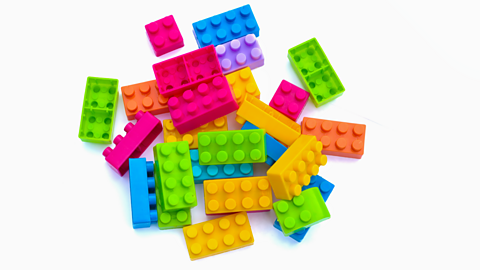
| ABS (acrylonitrile butadiene styrene) | ABS is lightweight rigid and impact resistant. It is tough and resistant to chemicals heat and abrasion. It withstands low temperatures better than other plastics and can be moulded into various shapes for polished products. | A combination of strength, toughness and ease of manufacturing makes ABS ideal for toy manufacture and car parts. |
| Nylon | Nylon is strong lightweight and tough with excellent abrasion resistance. It has a smooth surface can be coloured and is used in textiles gears and bearings for its strength and durability. | Nylon’s versatility, toughness and resistance to wear make it suitable for clothing and mechanical parts. |
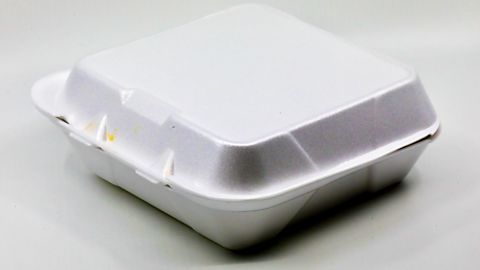
| Rigid Polystyrene | Rigid polystyrene is lightweight stiff and a good insulator. It can be brittle with a glossy finish available in various colours and can fracture under impact while having good dimensional stability. | Rigid polystyrene is used in packaging and disposable food containers. |
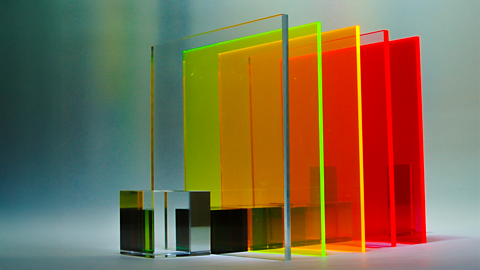
Image caption, Acrylic panels can be both solid colour and transparent


1 of 5
End of image gallery
Test yourself
More on Manufacturing - materials
Find out more by working through a topic
- count1 of 4