Key facts about promotion:
Promotion: methods include advertising, sales promotion, sponsorship and public relations.
Advertising: uses TV, online, print media; public relations increase awareness.
Sales promotion: techniques like discounts and free samples; sponsorships enhance profiles.
Technology and regulations: technology advances impact strategies; ASA and Ofcom ensure advertising standards.
What is promotion?
Promotion is the methods a business uses to communicate information about its products and services among its customers and potential customers. The main aim of promotion is to either persuade customers to purchase or inform about products.
The four methods of promotion are:
- advertising
- sales promotion
- sponsorship
- public relations
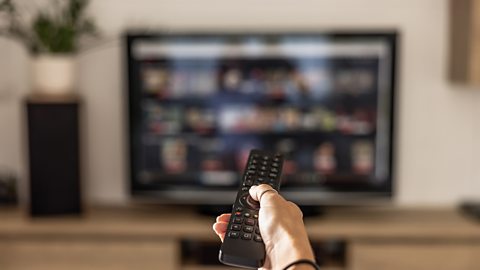
What is advertising?
There are a number of advertising methods a business can use. These include:
- television
- newspapers, magazines and billboards,
- online
- radio
What is public relations?
A business can use public relations to increase awareness of the business and its products. This is usually free media coverage such as for the opening of a new store or launch of a new product.
What are sales promotions?
These strategies are used by a business to increase sales in the short term. Sales promotion techniques include:
- discounts
- buy one get one free
- competitions and coupons
- point of sales displays
- free gifts
- free samples

How can sponsorship help promotion?
Businesses can increase the profile of the business by sponsoring sport events, sports teams or television programmes.
Can social media be used for promotion?
Social media can be used by businesses to promote their products and services. This is a cheap way to communicate with their customers about new products or special offers and could be used to take customers to their website.
Social media is a powerful tool for businesses to increase brand awareness and attract new customers. It allows for direct interaction between the business and consumers, such as commenting on posts or asking questions, which the business can then respond to. Additionally, businesses can use social media to conduct market research and identify new trends or fashions.
However, there are some negative aspects to consider. Negative customer reviews can deter other potential customers, and staff are required to manage social media accounts and communicate with customers regularly.
How can businesses balance their marketing mix competitively?
The term A market where there are other businesses producing the same or similar products and services. refers to the pressure placed on a business by its competitors. Businesses that operate in a A market for products and services that are aimed at large groups of customers with similar characteristics. have a tough competitive environment as there are many other businesses offering very similar products and services. This means that if a business charges too much then its customers will go elsewhere. An example of a business that operates in a mass market is the fast food industry.

Businesses adapt their A description of marketing–product, price, promotion, place. to try to convince customers that their product is better than the products of their competition. The aim of these adaptations is to gain a How a business endeavours to outperform its rivals.. They can do this by:
- offering a product or service that fills a A gap in the market refers to a place in the market where there is demand for a product or service that is not currently being met.
- offering better sales promotions, such as buy one get one free (BOGOFF), online discount codes or
- creating a Another producer who sells similar products. (USP)
- developing relationships with existing customers to make them more likely to buy again
How can technology affect promotion?
Technological advances create many opportunities for businesses. This means that a business’ may need to change to enable it to interact with its customers through increasingly popular technologies (such as online messaging and digital advertising).
The use of social media has changed how much many businesses spend on traditional promotional activities (eg TV advertising) and on advertising in other media types (eg newspapers). Money or equipment given to support an event, team, activity or person. and Individuals on social media who have large numbers of followers and who can influence others to purchase products through their recommendations and social media posts. on social media are commonly used as a means of promoting products and services.

Examples of ways businesses may adapt to advances and trends in technology include:
- increasing use of E-commerce is any transaction that takes place through the internet. and in businesses
- use of digital media to promote products and maintain consumer interest
- changes to a product’s design to incorporate new technologies
- reduction of prices because of more efficient production methods
- introduction of more competitive pricing because of easy access to price comparisons across retailers
Try the promotional strategy quiz
What is the Trade Descriptions Act 1968?

Descriptions must be accurate on:
quantities/sizes
method of manufacture/testing
place and date of manufacture
who manufactured them
What is the ASA (Advertising Standards Authority)?
The ASA works to prevent consumers from being misled, harmed, offended or otherwise treated unfairly by advertising. Its basic principles are that advertisements should be:
legal, decent, honest, truthful
prepared with a sense of responsibility to consumers and society
in line with the principles of fair competition
The ASA checks about 65,000 advertisements per week and receives complaints from the public about 25,000 advertisements per year.
The ASA’s remit extends to advertising across media such as:
press ads
sales promotions
direct marketing
electronic advertising
internet advertising
social media
cinema commercials
outdoor advertisements
TV
radio
What is Ofcom (Office of Communication)?
Formed in 2003, Ofcom is an independent organisation which monitors the communication industries. Its basic role is to protect consumers from harmful or offensive material.
So, Ofcom has overall legal responsibility for broadcast advertising standards. If an advertiser doesn't follow an ASA ruling, Ofcom can take legal action.
What are advertising code of conduct?
Advertising plays a key role in how businesses communicate with consumers, but it must be done responsibly. In the UK, regulatory bodies like the Advertising Standards Authority (ASA) and the Office of Communications (Ofcom) set constraints on promotion to ensure ads meet strict standards.
There are two primary codes that advertisers must follow:
BCAP Code: This code applies to broadcast advertisements, including TV and radio. It ensures that ads are legal, decent, honest, and truthful. These rules help prevent misleading or harmful content from being aired.
CAP Code: This code covers non-broadcast advertisements such as print, online, and social media ads. It sets standards to ensure that marketing communications are responsible and not misleading, protecting consumers from false claims or exaggerated statements.
Regulatory Bodies:
Advertising Standards Authority (ASA): This group enforces the BCAP and CAP codes. If an ad crosses the line, they can force it to be changed or removed. For example, an ad showing something offensive or making a wild untrue claim, like a shampoo promising to cure baldness, would get flagged.
Ofcom: This regulator oversees TV and radio broadcasters, ensuring they adhere to broadcasting laws and standards. Ofcom can impose sanctions, including fines or revoking licenses if broadcasters fail to comply.
Importance of Compliance:
Sticking to advertising rules is key for keeping consumer trust and avoiding legal issues. Businesses must ensure their ads are clear, fair, and respectful. By following the advertising codes, they can build trust and stay within the law.
Try these questions below
Question 1
What are the two main codes of conduct for advertising in the UK?
The BCAP code for TV and radio commercials, and the CAP code for non-broadcast advertising.
Question 2
What are the key principles of advertising as outlined by these codes?
All UK advertising must be legal, honest, truthful, and decent.
Question 3
Which organisation is responsible for enforcing the advertising codes?
The Advertising Standards Authority (ASA).
Question 4
How does the ASA work with Ofcom?
The ASA and Ofcom have a co-regulatory agreement to enforce advertising standards.
Question 5
What is Ofcom's role in advertising regulation?
Ofcom regulates all forms of communication, including broadcasting, and has the power to revoke the licence of broadcasters who fail to comply with ASA rulings.
Question 6
What happens if a commercial is found to be in breach of the advertising codes?
The ASA will require the broadcaster to remove the non-compliant ad immediately, and Ofcom can revoke the broadcaster's licence if they fail to comply.
Question 7
What is the ultimate consequence for a broadcaster who repeatedly fails to comply with advertising regulations?
The broadcaster's licence can be revoked, effectively shutting them down.
Try the promotion quiz
Final checks
List at least three sales promotion techniques used by businesses.
Discounts, buy one get one free, competitions and coupons, point of sales displays, free gifts, free samples.
What factors influence a business's choice of promotional methods in their promotional mix?
Factors include the type of product/service, competitors’ actions, target market, relative costs of methods, and the size of the budget.
What are the basic principles of the ASA regarding advertisements?
Advertisements should be legal, decent, honest, truthful, prepared with responsibility to consumers and society, and in line with fair competition principles.
More on Marketing Mix
Find out more by working through a topic
- count1 of 5

- count3 of 5