Description
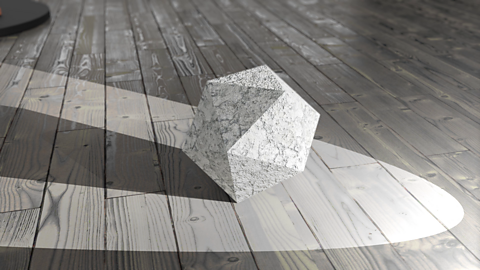
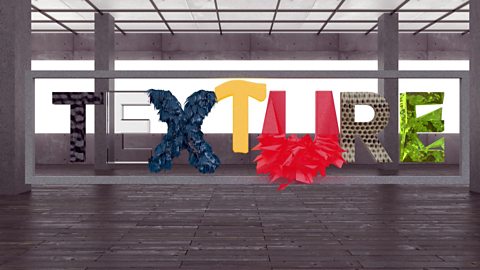
Various types of texture – actual, visual and physical - can add an extra dimension to an artwork. Artworks can have an actual texture that the viewer could touch. Meret Oppenheim’s ‘Squirrel’ is a surrealist sculpture of a pint glass of beer with a furry tail for a handle. Wondering what this would feel like plays with our idea of the norm. Using shadow, tint and tone to add highlights and shading to a painting is visual – or implied – texture. Jan Van Eyck’s ‘The Arnolfini Portrait’ uses these techniques, creating the texture of the metallic chandelier, hair and clothing of the subjects, and the fur of the dog. This adds a sense of realism to the painting. Physical texture is created by the brushstrokes or textured elements an artist has applied. Chris Ofili scratched paint away from the surface of his ‘No Woman No Cry’ painting to create texture. He also added cut-up photographs and elephant dung to create a variety of textures. The thick brushstrokes of Claude Monet’s ‘Impression, Sunrise’ create physical texture. This makes the surface of the water look choppy and adds depth to the clouds in the sky. Keywords: Actual texture, Visual texture, Physical texture
Classroom Ideas
Can be used to recap on texture or could lead into a classroom discussion on elements of art.
Now playing video 3 of 8
- 1 of 8
- 2 of 8
- 4 of 8
- 5 of 8
- 6 of 8
- 7 of 8
- 8 of 8