What is conflict?
Conflict is the word used to describe an argument or disagreement between two sides. It can cause a struggle between people or countries because they have different ideas, opinions or beliefs.
Sometimes a conflict can be a physical battle or fight. It can also be a strong feeling about the different thoughts or beliefs of other people.
What do we mean by conflict over resources?
All through history, there have been many examples of conflict. They have been caused by many different things.
Resources are materials that we can make use of - and this makes them valuable. They include things such as land, precious metals, oil and water.
A conflict over geographical resources happens when two sides want the same valuable resource. Control of these resources can make them powerful and wealthy. This is why it can often lead to conflict - and usually it's the less fortunate that suffer.
Video - Conflict over resources
Throughout history, people have argued over just about anything - from land, to religion, to what the best ice-cream is. It’s obviously pistachio. A conflict is a serious clash or argument, which often lasts a long time. It doesn’t always result in war. Words can be traded as easily as blows. And they can be just as deadly.
Often, conflict comes when two sides want to control the same resource, whether it’s precious metals in Africa, oil in the Middle East… even fish, in the ‘Cod Wars’ between Britain and Iceland. Amazingly, that isn’t a joke.
In the 1950s, the Liverpool Corporation needed a new source of water. They decided to flood the Tryweryn valley, over 40 miles away, which happened to include the village of Capel Celyn. This was no simple conflict over resources. Capel Celyn happened to be one of the few entirely Welsh-speaking villages left.
Suddenly, this small valley was the scene of a clash between two very different ways of life. The people of Capel Celyn took their protest to the streets of Liverpool. There were tensions between the protesters and the people of the city, but back home, things were about to get worse. Most Welsh MPs opposed the plan, and some people even took the law into their own hands, but it came to nothing.
In 1965, the villagers were forced to leave, and the valley was flooded - school, post office, chapel and all. There were no battles fought, or lives lost. But we still remember the Tryweryn conflict today. The words ‘Cofiwch Dryweryn’ have become instantly recognisable. They were first painted on a wall near Aberystwyth in the 1960s, but can now be seen on walls all over Wales. And in 2005, Liverpool City Council finally apologised for the hurt caused by the drowning of Capel Celyn.
But have we truly learnt our lesson? What do you think we could do to stop these types of conflict happening in future?
The Cod Wars
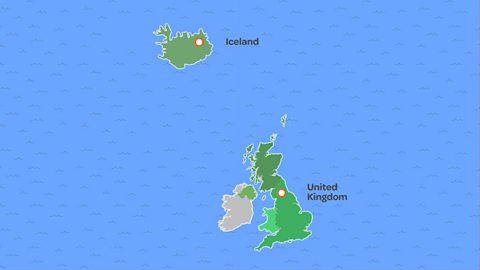
In 1958, a very peculiar conflict emerged between the United Kingdom and Iceland, over a very valuable resource… fish! It happened because Iceland extended the area where only Icelandic fishermen could go. There were lots of valuable fish in this part of the sea but now, UK fishermen were not allowed there.
The United Kingdom ignored these new guidelines and kept on fishing in the new zone. This caused great tension, leading to confrontations between the fisherman at sea. Boats were rammed, one ship fired at another and Royal Navy warships were even sent there to protect the UK fishermen.
Eventually, after years of conflict a settlement was reached in June, 1976. Fishermen from the United Kingdom were now only allowed to catch a limited amount of fish in the seas around Iceland. This meant that many of them lost their jobs.
Tryweryn
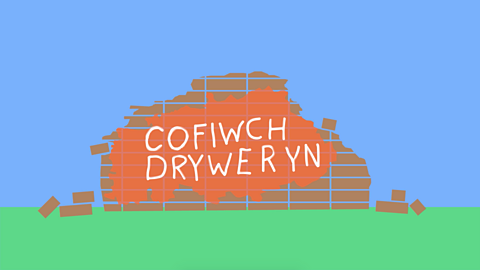
The drowning of the Tryweryn valley, near Bala, was a conflict between the powerful and the innocent. On one side was the city of Liverpool, who wanted to build a new reservoir to provide water for the city. On the other side were the people who lived in the little village of Capel Celyn, which would disappear under the new reservoir.
Protesters tried to delay and stop the building of the reservoir, and tensions between the people of Capel Celyn and Liverpool were intense. However, the work went ahead.
In 1965, the village of Capel Celyn disappeared under water. 70 people had lived there in the small, quiet community, which included a cemetery, school, chapel and a post office. Families were given the opportunity to move loved ones that were buried in the cemetery.
40 years later, in 2005, Liverpool City Council apologised for the injustice and pain that had been caused by drowning the little village in Wales. And people still remember Tryweryn to this day and still feel strongly about what happened.
Activities
1. Sequence events in order
2. Creative writing task
Write a letter from Liverpool City Council to the former residents of Capel Celyn apologising for what they did.
3. Quiz - Conflict over resources
More on Geography
Find out more by working through a topic
- count2 of 6

- count3 of 6

- count4 of 6
- count5 of 6