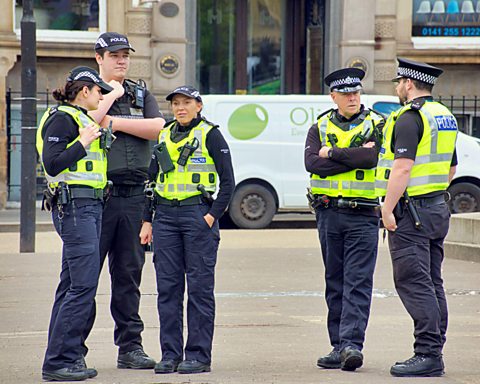
Responses to crime - Government
Quick version
The Scottish Government works with the police and other bodies to target specific types of crime.
Early and Effective Intervention (EEI) programmes are part of the Scottish Government’s Youth Justice strategy which is based on bringing together a range of different groups to support young people and their families and prevent them becoming involved in crime.
Since it was set up in 2005, the Scottish Violence Reduction Unit has tackled the causes of violent crime by treating it as a public health issue.
The Scottish Government has initiatives and campaigns to tackle crimes including:
- knife crime
- alcohol-related crime
- domestic abuse
- violence against women
- hate crimes.
The Scottish and UK Governments have special internet crime units, using the latest security technology to prevent the growing threat of cyber crime.
Learn in more depth
Scottish Government's approach to crime
As well as law enforcement and prosecution, the Scottish Government takes a public health approach to crime, focusing on early intervention, prevention and tackling underlying causes.
Similarly to how health professionals focus on prevention to tackle disease, preventing crime can be the best way to lower crime rates.
While the government oversees the police, there are many other actions, initiatives and organisations it can work with to have an impact on crime.
What is the Scottish Government's approach to youth justice?
 Image source, Sally Anderson News/Alamy
Before September 2023, Scotland's young offender institutions held prisoners aged 16-21. The 2024 Children (Care and Justice) (Scotland) Act passed by the Scottish Parliament in April 2024, brings all under 18s within the scope of the children’s hearings system and bans children from being sent to prison.
The lower age limit for young offender institutions was raised to 18, with any offenders aged under 18 who would previously been held in prison now held at one of four secure care centres in Scotland.
Offenders aged under 18 are now held at one of four secure care centres in Scotland, each of which houses young people in groups of up to six.
Image source, Sally Anderson News/AlamyEarly and Effective Intervention programmes
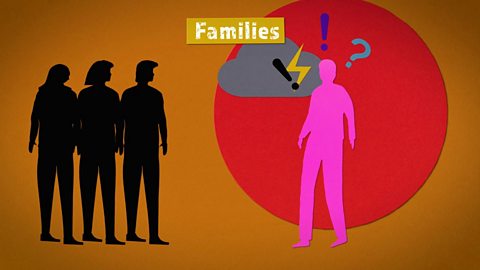
Early and Effective Intervention (EEI) programmes are part of the Scottish Government’s Youth Justice strategy which is based on bringing together a range of different groups (social workers, community youth workers, schools, police, etc.) to better support young people and their families to reduce their chances of becoming involved in crime.
Examples of EEIs may include working closely with families in their own home to build up trust and share advice, or working with schools to provide more appropriate educational experiences for a young person.
How has government responded to violent crime?
Scottish Violence Reduction Unit
The Scottish Violence Reduction Unit (SVRU) was set up in 2005 by Strathclyde Police. They try to tackle violence before it happens by treating violence like a disease.
By doing this, they look at the cause of the violence and create solutions to stop this from spreading. These solutions can include helping people who have been in prison find and maintain a job, working in schools and with local communities.
Mentors in Violence Prevention (MVP) runs in schools across the country and helps pupils feel more comfortable in reporting safety concerns, meaning they are less likely to be a bystander.
Between the SVRU being set up in 2005 and 2024, there has been a 60% reduction in homicide across Glasgow and 52% across Scotland.
(Source: Scottish Violence Reduction Unit Annual Report, 2024)
No Knives Better Lives
The Scottish Government initiative No Knives Better Lives (NKBL) was set up in 2009 to target youth violence. It aims to educate young people on the dangers and repercussions of carrying knives.
How has government responded to violence against women and girls?
Disclosure Scheme for Domestic Abuse Scotland
The Disclosure Scheme for Domestic Abuse Scotland (DSDAS) gives people the right to find out information on their partner if they think they are at risk. It also means concerned family and friends can find out if this person had been abusive previously. The police have the power to inform a person that they may be at risk.
Since DSDAS began in 2015, around 14,000 disclosures have been delivered. Disclosures from the police inform people of their partner’s abusive past and assist them to plan for their safety.
(Source: Police Scotland)
Equally Safe
Equally Safe is a Scottish Government strategy to stop violence against women and girls. Part of this initiative is targeting culturally specific forms of violence across Scotland’s diverse communities, for example honour-based abuse and also works on stopping violence against vulnerable women and girls with learning disabilities.
(Source: Scottish Government)
How has the government responded to alcohol and crime?
Introducing minimum unit pricing of alcohol in Scotland in 2018 was a move by the Government to reduce alcohol related harm and decrease alcohol related crime, disorder and public nuisance offences.
The 2021/22 Scottish Crime and Justice survey found 37% of violent crime in Scotland is alcohol related.(Source: Scottish Government)
In 2019, a survey buy the Scottish Prison Service found 40% of prisoners reported being drunk at the time of their offence.
Although sales of alcohol have gone down, the effect on crime reduction has been minimal.
How has government in Scotland responded to hate crime?
Hate Crime and Public Order Act
 Image source, Alan Wilson / Alamy
In April 2024, the Hate Crime and Public Order Act came into force. The law covers offences against protected characteristics including; stirring up hatred and offences aggravated by prejudice. This could be discrimination on characteristics including; race, sexual orientation, religion, disability and age.
(Source: Scottish Government)
Image source, Alan Wilson / AlamyHow has the government responded to cyber crime?
 Image source, PA Images / Alamy
According to Scottish Government figures: in 2023-24, around 59% of 9, 890 recorded cases of fraud were cyber-crimes.
To prevent cyber-crime, the Scottish and UK Governments have set up special internet crime units. Working alongside businesses, the Scottish Business Crime Centre aims to use the latest ICT security technology to prevent cyber-crime and catch the criminals involved. This is made more difficult as cyber-crime is a global business:
According to Scottish Government figures:
- in 2023-24 the location of perpetrators of cyber-fraud was unknown in 49% of cases
- in 40% of cases, the perpetrators were either suspected or confirmed as being located outside Scotland
- only around 11% of cases involved perpetrators located in Scotland
This makes prosecution and preventing cyber-crime much more difficult.
Image source, PA Images / AlamyQuiz
Recap what you have learned
The Scottish Government often takes a public health approach to crime, focusing on early intervention, prevention and tackling underlying causes, for example:
The Scottish Violence Reduction Unit was set up in 2005 by Strathclyde Police with the aim to tackle violence before it happens by treating violence like a disease.
Early and Effective Intervention (EEI) programmes are part of the Scottish Government’s Youth Justice strategy and are based on bringing together a range of different groups like social workers, and community youth workers to better support young people and their families to reduce their chances of becoming involved in crime.
To reflect changes in the law, the lower age limit for young offender institutions was raised to 18, with any offenders aged under 18 who would previously been held in prison now held at one of four secure care centres in Scotland.
The Scottish Government has many initiatives to tackle different types of crime including:
- No Knives Better Lives
- Minimum Unit Pricing to tackle alcohol-related crime (as well as wider health and social issues around alcohol)
- Disclosure Scheme for Domestic Abuse Scotland
- Equally Safe
- Hate Crime and Public Order Act
To prevent cyber-crime, the Scottish and UK Governments have set up special internet crime units, using the latest security technology.
More on Crime and the Law
Find out more by working through a topic
- count7 of 9

- count9 of 9
- count1 of 9