What are scales of production?
Different scales of production exist to meet varying market demands, cost-effectiveness, product complexity and resource availability. Each scale offers unique advantages suited to specific industry needs and consumer preferences.
Production types
One-off/jobbing
Explanation:
producing single custom items tailored to specific needs
Example:
a bespoke furniture maker crafting a custom dining table
Batch
Explanation:
producing a specific quantity of products in groups
Example:
a bakery making 100 loaves of bread daily
Mass
Explanation:
producing large quantities of standardised products using assembly lines
Example:
automobile manufacturers producing thousands of identical vehicles
Continuous
Explanation:
automated process producing goods without interruption
Example:
oil refineries processing crude oil into petroleum products
Types of manufacturing systems
Using in-line assembly, flexible manufacturing systems and just-in-time manufacture improves efficiency and reduces costs. It can also enhance product quality and respond to market needs faster. It helps make better use of resources and streamlines operations.
In-line
- Features: products move sequentially through a series of workstations where specific tasks are performed at each stage often using an assembly line setup.
- Example: automobile manufacturing where vehicles are assembled on an assembly line with each station responsible for a specific task.
- Advantages: high efficiency and productivity due to streamlined processes consistent product quality and reduced production time.
- Disadvantages: inflexibility to changes in product design potential bottlenecks if one workstation fails and higher initial setup costs.
Flexible Manufacturing Systems (FMS)
- Features: a combination of machines and computer-controlled equipment that allows for the production of various products with minimal changeover time.
- Example: a factory producing different models of smartphones where machines can quickly switch to produce various designs as needed.
- Advantages: adaptable to changing product designs and customer demands reduced lead times and efficient use of resources.
- Disadvantages: higher costs for technology and setup complexity in operation and maintenance and the need for skilled labour to manage systems.
Just-in-Time Manufacture (JIT)
- Features: inventory strategy that aims to reduce waste. By receiving goods only as they are needed in the production process inventory levels are minimised.
- Example: Car production system where components arrive at the assembly line exactly when needed to reduce inventory costs.
- Advantages:Lower inventory costs increased efficiency, reduced waste and improved cash flow.
- Disadvantages: Vulnerability to supply chain disruptions. There is a possibility for production delays if materials are late and strong relationships with supplier are needed.
Types of component manufacture
Standardised components, assemblies, bought-in components and sub-contracting improves efficiency, reduces costs and streamlines production. It uses specialised skills and maintains flexibility which increases competitiveness and customer satisfaction.
Standardised components
- Features: components produced to a specific standard size and design allowing for interchangeability in products.
- Examples: nuts and bolts that fit various machines or standard electrical outlets that work with different devices.
- Advantages: simplifies assembly processes, reduces costs through bulk production and ensures consistent quality across products.
- Disadvantages: limited flexibility in design and may not meet unique customer requirements.
Assemblies
- Features: pre-assembled groups of components that function together as a unit.
- Examples: a pre-assembled bicycle frame with wheels and brakes included or a computer motherboard that comes with pre-installed components.
- Advantages: reduces assembly time simplifies the manufacturing process and enhances product reliability.
- Disadvantages: higher initial costs and potential waste if assemblies are not used.
Bought-in components
- Features: parts purchased from external suppliers instead of manufactured in-house.
- Examples: a car manufacturer buying engines from an external supplier or a smartphone maker sourcing camera modules from a specialist company.
- Advantages: saves time and resources allowing companies to focus on core competencies and often provides access to specialised expertise.
- Disadvantages: dependence on suppliers for quality and delivery can lead to potential delays and increased costs.
Sub-contracting
- Features: outsourcing specific manufacturing tasks or processes to external companies.
- Examples: a tech company outsourcing software development to a specialised firm.
- Advantages: reduces production costs allowing flexibility in capacity and providing access to specialised skills and equipment.
- Disadvantages: less control over quality and timelines, possible communication issues and reliance on third parties.
Quality assurance and quality control
Quality assurance (QA) and Quality control (QC) are important concepts in manufacturing and service industries to ensure products meet certain standards.
Quality assurance is about making sure quality is built into the production process, while quality control is about checking finished products to ensure they meet the required standards. Both are crucial for creating high-quality products that customers can trust.
Quality Assurance (QA)
Proactive
Quality assurance is a proactive process that focuses on preventing defects and ensuring quality in the production process.
| Main characteristics | Example |
|---|---|
| Planning QA involves creating a plan that outlines quality standards and how to meet them. | A bakery may set a standard for the freshness of ingredients used in its cakes. |
| Process checks Regular checks and reviews of processes are conducted to ensure they follow the established quality standards. | A car manufacturer might have regular inspections to ensure assembly lines follow safety protocols. |
| Training Staff are trained to understand quality standards and how to maintain them. | A software company trains its developers on coding standards to avoid bugs in programs. |
Quality control (QC)
Reactive
Quality control is a reactive process that focuses on identifying defects in finished products.
| Main characteristics | Example |
|---|---|
| Inspections QC involves testing and inspecting products after they are made to ensure they meet quality standards. | A toy factory tests toys to ensure they are safe and function correctly before shipping them out |
| Sampling Often, not every product is tested. Instead, a sample is taken to represent the whole batch. | A factory may check every 10th item produced to save time and resources |
| Feedback loop If defects are found, QC provides feedback to improve the manufacturing process | If a packaging company discovers that a batch of bottles have loose lids, they will adjust their machines or retrain staff to fix the issue |
Quality control takes place during the manufacture of any product, but, since metal parts are engineered to a fine tolerance, there are specific quality control tools to ensure that metal parts have been made correctly - one such tool is called a ‘go-no-go gauge’. The ‘go-no-go gauge’ has a ‘go’ side and a ‘no-go’ side - when testing the product one side must pass and one side must fail.
Example
It is common to hear engineers say they can work to a tolerance of ‘one thou’, meaning 1/1,000th of an inch.
1 inch = 25.4mm
25.4 ÷ 1,000 = 0.0254mm, so:
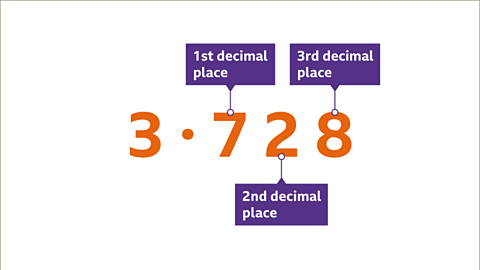
‘one thou’ = 0.03mm (to 2 decimal places)
If an engineer was asked to mill a 50mm slot in a block of aluminium to the tolerance above, it would be possible to check whether the slot was correct by using a ‘go-no-go gauge’:
50mm - 0.03mm = 49.97mm
This side of the gauge must be able to slide into the milled slot.
50mm + 0.03 mm = 50.03mm
This side of the gauge must not be able to slide into the milled slot.
Sample testing enhances efficiency and reduces costs, while tolerance provides flexibility and ensures functionality. Together, they help maintain product quality and reliability.
Sample testing
Sample testing involves checking a small number of products from a larger batch to evaluate quality, functionality and performance.
It can save time and resources by assessing quality without testing every item.
- Example - testing a few light bulbs for brightness instead of all produced
It provides insights into overall batch quality and trends in defects.
- Example - regularly testing car parts for consistent quality
Tolerance
Tolerance shows how much a measurement can vary from a target size. It helps ensure products still work correctly even if they are not exactly the right size.
Design flexibility allows for slight variations in manufacturing, eliminating the need for precision.
- Example - a metal part with a diameter tolerance of ±0.5mm ensures proper fit.
Quality control ensures that products function properly despite minor variations.
- Example - electronics components with defined tolerances that fit together correctly.
Test yourself
More on Manufacturing practices
Find out more by working through a topic
- count3 of 7