Spectator behaviour - combating hooliganism
Many teams perform better when they are playing at home. This is partly due to the fact that they will have more spectators there to support them which can help to motivate them to perform well. When spectators cheer and shout messages of support it usually has a positive effect on performance.
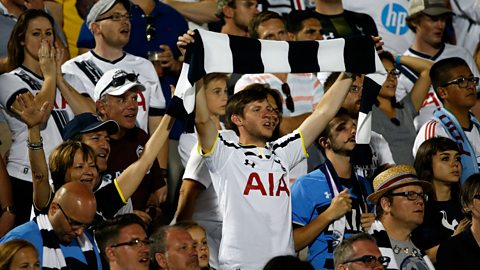
Attracting spectators to a sporting event is the best way to bring money into a club. During sporting events, the spectators will be likely to spend money on food and drinks while at the event. Spectators will also purchase merchandise and memorabilia which means more money is brought into the sport which can then be used to pay the sports performers' wages or to improve the training and competition facilities.
However, spectators can also have a negative effect at sporting events as they can be rude and abusive to players which can demotivate players or make them lose focus so they don't play as well as they usually would. This sort of spectator behaviour can also make players angry which could lead to fines or being sent off the pitch which has a significant negative impact on the player or team's performance.
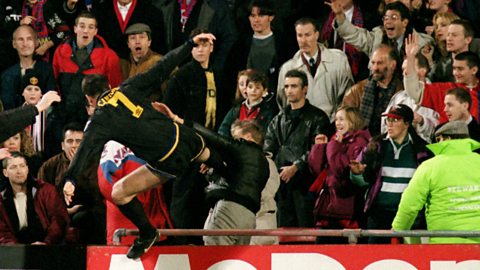
Reasons why hooliganism occurs
Hooliganism is when a group of supporters go to a sporting event to act abusively or violently before, during or after the event.
It has been suggested that there are two types of supporters that can become hooligans:
- the groups of people who enjoy the violence and fights associated with hooliganism and go to sporting events with the sole purpose of acting in an abusive manner
- the people that do not plan to get involved in violent behaviour but then get involved because they support their fellow fans.
A number of factors can contribute to hooliganism occurring at certain sporting events.
- If there is a historical or political background to the sporting event taking place, such as a local derby where two teams from the local area are playing each other. The fans from both teams want to show each other that they are better than the other, which can lead to violence and other abusive behaviour.
- If an official makes a controversial decision, the supporters of the team that are negatively affected can become angry and more likely to get involved with violent behaviour with the opposing team’s supporters or towards the official.
- If there is violent behaviour shown by the sports players during the event, this can lead to supporters becoming violent.
- If alcohol is consumed by supporters, there is more chance of hooliganism, due to the nature of alcohol lowering the inhibitions of individuals.
Strategies employed to combat hooliganism/spectator behaviour
Hooliganism was a real problem in British football over the last few decades but recently has not been such an issue due to a number of measures that have been put in place.
Spectators were not separated into different areas for supporters of each team, which meant there was more chance of violent behaviour between the two supporting teams as they could be seated next to each other. This has now changed and each team's supporters are given designated areas of the stadium so that they are not sat next to each other.
Each spectator has a specified seat rather than being able to stand in the terrace. This means there is less chance of spectators getting in each other's way or blocking views.
There is greater video surveillance so the police can monitor the spectators and intervene as soon as any violent behaviour is seen. They can also look to see if there are any known hooligans attending the event and monitor their behaviour carefully.
