Planning a project
When planning a Theatre in education piece companies must take into account:
- The age and size of the audience. The performance needs to suit the audience.
- The venue, its size and facilities such as lighting and whether there are any particular restrictions, eg they might not be allowed to tap dance as taps would damage the floor.
- Health and Safety issues. They’ll probably have to complete paperwork for this. It could cover anything from Process of working out the likelihood of harm or damage being caused by identified hazards. for the journey to the venue, to checking there are no Sufferers of the medical condition asthma which can cause shortness of breath and wheezing. in the audience if they plan to use dry ice.
- Teaching and Learning Objectives. What they have been asked to do and how they can deliver what’s required.
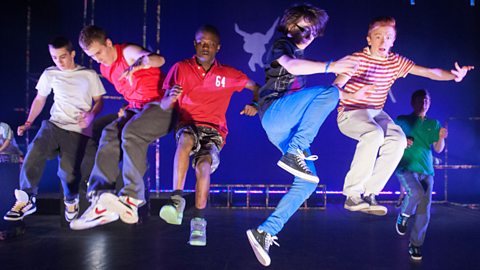
National Theatre of Scotland’s production Jump combined Physical theatre, storytelling and parkour in a piece that discusses the challenges faced when growing up Credit: Tim Morozzo
