Genre and representation
Certain genres rely heavily upon stereotypes and film-makers and audiences often accept those stereotypes without questioning them.
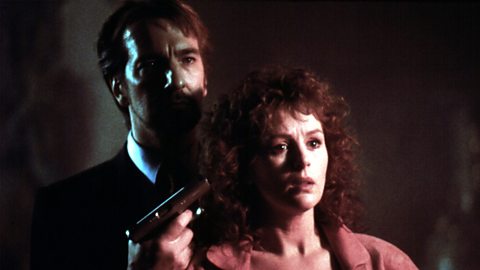
In the action thriller Die Hard (1988), the hero’s wife drives the main character’s actions by needing to be rescued.
Action films usually feature stereotypically tough male heroes, whereas female characters are sometimes presented as almost completely passive.
Romantic comedies, meanwhile, sometimes feature female main characters whose failure to find a boyfriend or husband is seen to undermine all of their achievements.
However, film-makers can challenge these kinds of stereotypes.
Female characters in the sci-fi action genre are often either just love interests for the hero or victims in need of rescuing.
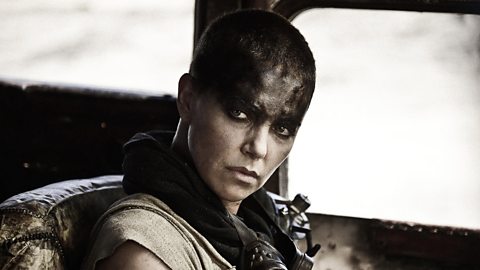
Furiosa from Mad Max: Fury Road (2015) is an interesting example of the heroine in a sci-fi action film.
In Mad Max: Fury Road (2015) the female character Furiosa, a fearless road warrior in that world’s desolate future, fits into neither stereotype;
- She is resourceful and heroic. Her bravery is evident throughout and she is repeatedly shown to be a more competent warrior than the film’s title character
- Her appearance and clothing are practical rather than stereotypically feminine
- She forms a bond with the film’s hero Max but it is one based on mutual respect rather than romantic attraction
- She is also disabled, her left arm is missing and she wears a cumbersome artificial limb. This disability is never portrayed negatively or as a liability and she is seen to be just as capable as the film’s non-disabled characters
- Throughout the film she is positioned in the centre of the frame and viewed from low-angles, so as to stress her strength and dominance
