Conservation and management in the Lake District
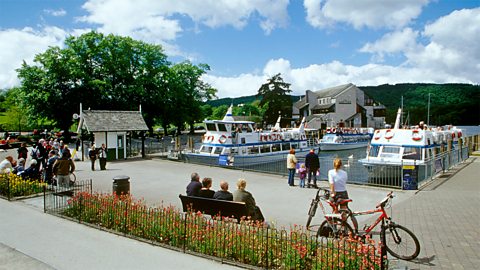
Tourist boat rides
The popularity of tourism in the Lake district means there is a demand for more visitor facilities such as hotels and leisure complexes, car parks, marinas and cable cars.
Many of the impacts of tourism are positive, but others present challenges which need to be overcome if tourism in the Lake District is to be sustainable.
Advantages of tourism
- Tourism provides employment and income for local people.
- People choose to stay in the area, which maintains other essential services such as schools and hospitals.
- Services provided for tourists, eg leisure facilities, also benefit local people.
Problems
- Employment can be Employment which only lasts for part of the year. and wages low.
- House prices in the area can rise because of a demand for second homes.
- School leavers often look for work in larger settlements because of low wages and high house prices. This causes rural depopulation.
- Local shops struggling to survive have to close to make way for more profitable gift shops and tea rooms, which leaves local people with fewer essential services.
- Traffic causes pollution and narrow roads can become congested in high season.
- Large numbers of hikers cause footpath erosion, which is expensive to repair.
- Water sports cause erosion of lake shores and there can be A disagreement over something. of interests between different lake users.
