The production designer

The production designer’s role is to help the directors define and achieve the look of a film. This might include designing special sets, finding or designing props and working with the heads of the make-up and costume departments.
Roles and responsibilities:
During pre-production the production designer must read the script and provide the director with ideas for how the world of the film might look. During this phase the production designer may have to research the project. If, for example, the script is set in Victorian London the production designer will have to study photos, paintings and books from that time and place in order to get the right look. They have to create detailed drawings and designs. They also have to work closely with the producer to make sure that their ideas can be achieved within the limits of the film’s budget.
During the filming itself the production designer must oversee the work of set-builders and the art department crew members responsible for dressing sets and providing props. During filming the production designer must be present to deal with any issues or last-minute changes.
Director of photography
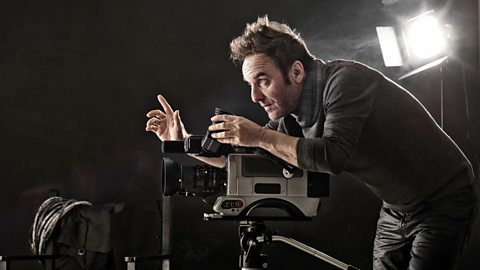
The director of photography is sometimes called the DoP or a cinematographer. Their job is to provide each film its own photographic look. They create this look by using lighting, framing, and camera movement and must work closely with other heads of department like the production designer to iron out any potential problems and to achieve a consistent look for the whole film.
Roles and responsibilities:
During pre-production the DoP meets with the director to discuss the look of the film and conducts research such as camera tests and location visits. They may also try out different lighting approaches, different lenses and different types of film formats during this research. Once the DoP and director have reached agreement on the proposed look of the film the DoP must prepare a list of the lighting and camera equipment needed for the shoot.
During the shoot DoPs and their camera crews arrive early on set to prepare the equipment and plan that day’s shots.
During post production, the DoP works with the director and a colourist to fine tune the final look of the film. This process is called grading and the colorist and DoP will use computer software to adjust the colours and brightness in each shot.
