First-hand accounts from slavers
Clergyman John Newton, a former slave ship captain, wrote the hymn Amazing Grace, first published in 1779.
In 1780 he was appointed Rector of the Lord Mayor’s Church in London and many came to listen to his famous sermons against slavery.
In 1788, 34 years after he had retired from the slave trade, Newton wrote a pamphlet called, 'Thoughts Upon the Slave Trade', in which he described the horrific conditions of the slave ships during the Middle Passage and apologised for his involvement in it. A copy of the pamphlet was sent to every MP.
Personal accounts from formerly enslaved people
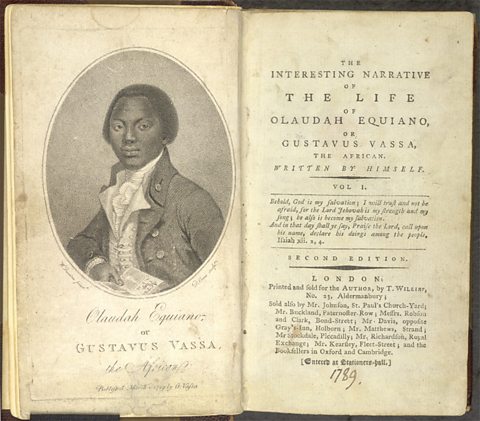
In 1787, 'Thoughts and Sentiments on the Evil of Slavery' by Quobna Ottobah Cugoano, an ex-enslaved person, was published. In England, a group of black Britons called the Sons of Africa started a letter-writing campaign against the slave trade.
One famous member, former enslaved person Olaudah Equiano, published his autobiography 'The Interesting Narrative of the Life of Olaudah Equiano' in 1789. This book became a best seller and changed many people’s views of the slave trade
In 1831, Mary Prince, who had been born into an enslaved family in Bermuda, published her autobiography. It was the first account of the life of a black woman to be published in Britain and gave first-hand description of the brutalities of enslavement.
Other publicity
In 1787, the potter Josiah Wedgewood released a cameo in black and white for abolitionists to wear.
William Cowper wrote a poem to publicise the cause, called 'The Negro's Complaint'.
The Zong
The Zong court case shocked many people. In 1781, 132 enslaved people were killed by being thrown overboard in order to claim insurance. Despite this, no crew member was prosecuted by the court for murder.
