The growth of democracy in Germany, 1890-1929
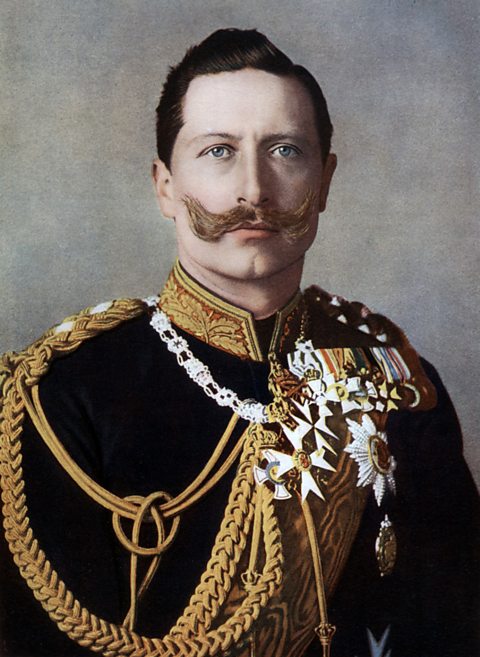
This phase is divided into two parts by the disaster that was World War One.
Before the war, Germany was a A form of government where the monarch is head of state, but the law-making process is undertaken by an elected government. with a Kaiser, Wilhelm II, and a parliament elected by adult males who held the right to vote. There were two main political themes in this period:
- Wilhelm was determined to turn his nation into a world power. Germany built an empire, became active in world affairs and took part in an arms race with other European nations that would eventually lead to war.
- However, at the same time When a country's economy moves from being based on farming to being based on industry., and the social and economic problems it brought, led to the Social Democratic Party (SPD) becoming the largest party in the The name of Germany's parliament.. Before normal politics were suspended during the war, there was a growing demand for greater democracy in Germany and reforms that would improve the condition of Germany’s working class.
After the war, with the Kaiser removed, Germany began a bold experiment with A political system in which members of parliament are elected to represent the interests and opinions of the electorate.. All adult Germans (women included this time) were able to vote and the system of An electoral system in which parties gain seats in proportion to the number of votes cast for them. meant a wide range of views were given voice in Parliament. There was also an elected President.
However, the legacy of defeat in the war, in the shape of crippling Monetary compensation from an individual, group or state to compensate victims. payments and the military restrictions of the The peace treaty signed by the Allies and Germany at the end of the First World War, on 28 June 1919., led to serious problems:
- in 1923 there was a Very rapid and high increase in the level of prices, combined with a fall in the value of money. crisis that left Germany’s currency worthless
- in the first four years of the Weimar Republic there were three serious attempts to overthrow the government
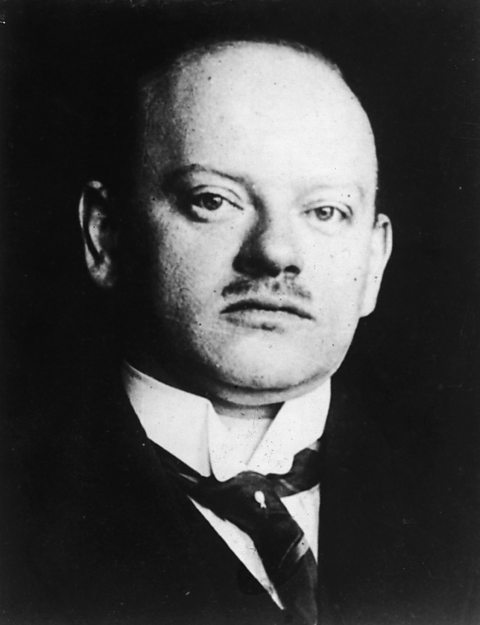
Rescued by Gustav Stresemann and American loans, which enabled reparations payments to be made, Germany eventually recovered from these crises. By the late 1920s the Weimar Republic was a key member of the An international organisation where the leaders of countries could settle problems in the hope that they could thus avoid wars., a centre of modern culture and growing in prosperity. However the unstable governments of the Weimar years left Germany vulnerable to political and economic crises.
More guides on this topic
- Germany before World War One, 1890-1914 - AQA
- Weimar Germany, 1918-1924 - AQA
- QUIZ: Germany and the growth of democracy
- Weimar recovery and Stresemann, 1924-1929 - AQA
- Hitler into power, 1929-1934 - AQA
- QUIZ: Germany and the depression
- Life in Nazi Germany, 1933-1939 - AQA
- QUIZ: Experience under the Nazis
- World War Two and Germany, 1939-1945 - AQA
- Weimar Germany - exam preparation - AQA
