PESTLE - Technological
The T in PESTLE stands for technological influences.
Technological issues refer to New methods, ideas or products. in technology that affect an individual, an industry and the market.
Real-life example
The technique of making an apparatus, a process, or a system operate automatically. is an example of a recent influential innovation in technology. This has led to the introduction of driverless cars.
The expected benefits of this innovation are thought to be:
- people will have more time to do things whilst travelling in the car, eg sleep or read
- less chance of crashing as each driverless car uses technology to sense exactly where other cars are
- greater safety as most accidents are a result of human error
- no need to own a car and pay insurance as driverless cars could act like a taxi service
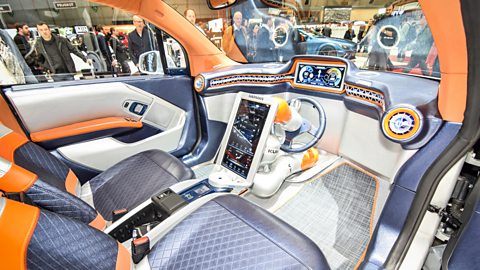
However, technological advancements may also have some negative outcomes. Concerns have been raised about:
- the risk of Gaining unauthorised access to data in a computer. a driverless car
- poor weather conditions that could affect the responsiveness of driverless cars, eg snowy roads could disrupt cameras
Also, some people claim that driverless cars may simply take the fun out of driving.
Nevertheless, technological progress generally has a significant positive impact on society.
Question
What impact could driverless cars have on other businesses and services?
There are many possibilities.
Positive impacts
- Safer roads with fewer accidents. Hospitals, ambulance drivers and paramedics may find they are responding to fewer road accidents, so their time and resources can be directed into other important areas. Reckless driving and sleep-induced accidents would become a thing of the past.
- Less traffic congestion. Traffic could be controlled more effectively to prevent tailbacks at busy times.
- Improvements in fuel efficiency. Driverless cars will be designed to improve fuel efficiency and reduce carbon emissions.
- More leisure time. Passengers will be able to read, write, play games, watch videos etc as entertainment. It will be possible to sleep for the entire journey too.
- Shorter journeys. Safer driving would allow speed limits to be increased, which would cut down on journey times. Commuting times would be cut as a result.
Negative impacts
- Job losses. Demand for taxi drivers, chauffeurs and different types of public transport may fall.
- Financial impacts for businesses. Garages, car body repair centres and motorway cafés may lose business, as people will need to maintain their cars less and won't need to take as many breaks on long journeys. The traditional car insurance market may need to be transformed which may cost insurance companies money.
- More serious accidents. Even minor computer errors could result in serious accidents.
- Upgrades. Road systems would have to be modernised, eg altering street lights, signage and traffic control systems.
- Expense. Driverless cars are not expected to be cheap and could be out of reach for the majority of people.
