Indicator species
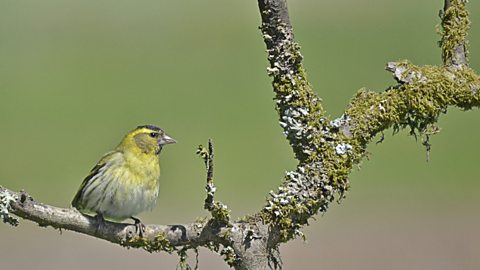
The presence, abundance or absence of these organisms provides information such as the level of pollution in the environment.are organisms that can tell us about the levels of pollution in an area by their presence or absence.
Air pollution
The most common source of air pollution is the combustion of fossil fuels. This usually happens in vehicle engines and power stations. Sulphur dioxide is released if the fuel contains sulphur compounds.
This gas contributes to acid rain. Lichens can be used as air pollution indicators, especially of the concentration of sulphur dioxide in the atmosphere.
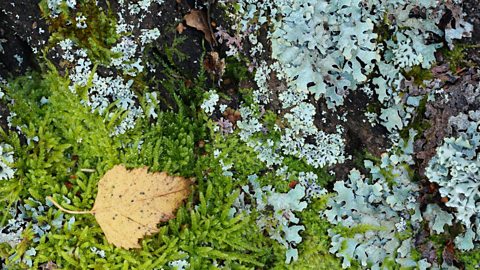
Lichens are organisms that grow in exposed places such as rocks or tree bark. They need to be very efficient at absorbing water and nutrients to grow there. Rainwater contains just enough nutrients to keep them alive.
Air pollutants dissolved in rainwater, especially sulphur dioxide, can damage lichens and prevent them from growing. This makes lichens natural indicators of air pollution.
For example:
- Bushy lichens need really clean air.
- Leafy lichens can survive a small amount of air pollution.
- Crusty lichens can survive in more polluted air.
In places where no lichens are growing it is often a sign that the air is heavily polluted with sulphur dioxide.
Water pollution
Water pollution is caused by the discharge of harmful substances such as untreated sewage into rivers, lakes and seas.
Many aquatic invertebrate animals cannot survive in water that has been polluted and resulted in a lowering of the oxygen concentration, so their presence or absence indicates the extent to which a body of water is polluted.
The indicator species showing higher levels of pollution, such as the water louse, may also be present in cleaner water. It is the absence of species that gives us information about how polluted the water is.
