Revision guides: Life on Earth
Revise: Ecosystems
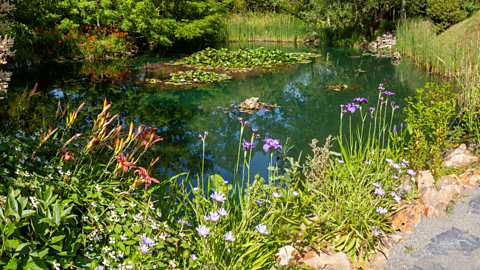
An ecosystem is a community of animals, plants, micro-organisms, non-living things and their shared environment. Find out about energy transfer, niches and competition in ecosystems.
Revise: Distribution of organisms
Abiotic factors are non-living variables. Biotic factors are the interactions between organisms. Both affect diversity and distribution. Sampling helps us to estimate numbers of organisms in an area.

Revise: Photosynthesis
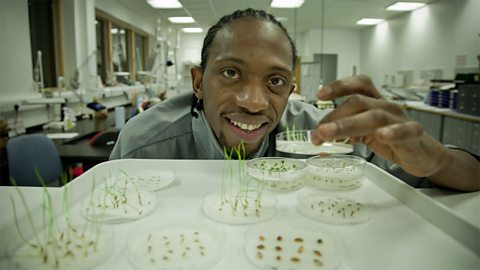
Photosynthesis is the process by which green plants use sunlight energy to make their own food. It takes place inside the chloroplasts of plant cells.
Revise: Energy in ecosystems
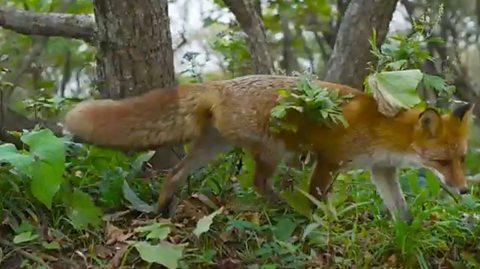
All organisms require energy. The feeding relationship in an ecosystem can be shown in a foodchain. Learn about pyramids of biomass, energy and numbers.
Revise: Food production
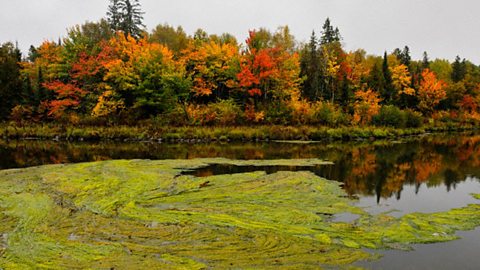
A growing human population demands increased food production. Farmers try to meet that demand by intensive farming, using fertilisers and pesticides that are impacting on the environment.
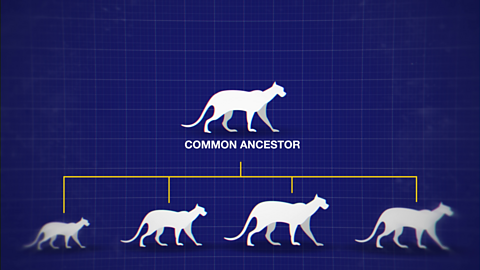
Revise: Evolution of species
Mutations can alter the genes of individuals in a beneficial or detrimental way and introduce variety into a species.
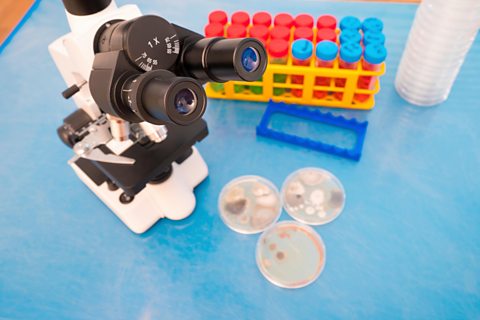
Revise: Apparatus and techniques
There is a range of apparatus that National 5 Biology students must have knowledge of. The course also involves being able to describe and carry out experimental and measuring techniques.
Video playlist
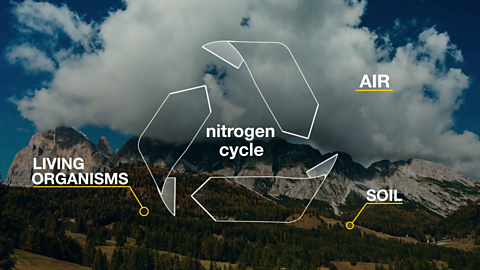
Video: The Nitrogen cycle. Video
The nitrogen cycle is the flow of nitrogen through the air, soil and living organisms.
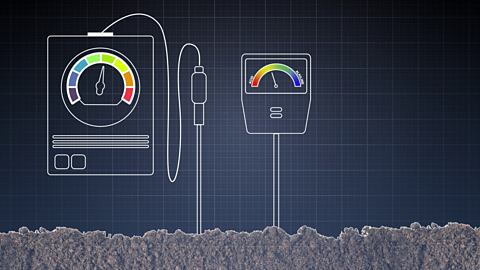
Video: Abiotic measurement equipment. Video
Sunlight, temperature and soil pH can all be measured with specific equipment.
Video: Climate change and barnacle distribution. Video
Professor Richard Fortey looks at the effect of global warming on barnacle distribution.
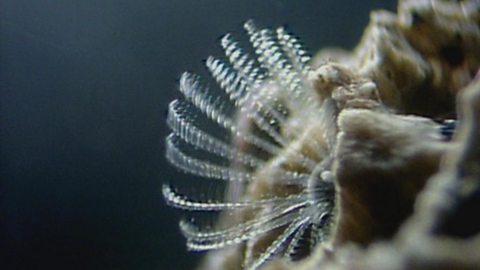
Video: Photosynthesis and respiration. Video
The ATP cycle in plants.
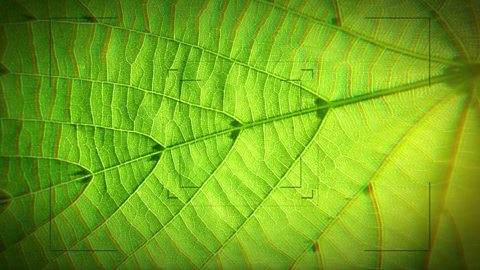
Video: Adaptations for rock pool survival. Video
Professor Richard Fortey examines techniques used by sea anemones to survive a rock pool.
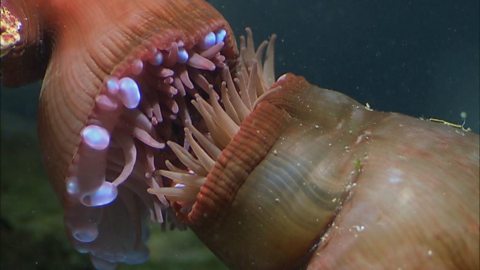
Video: Biodiversity and the human implications. Video
Why is conserving biodiversity important for human existence?
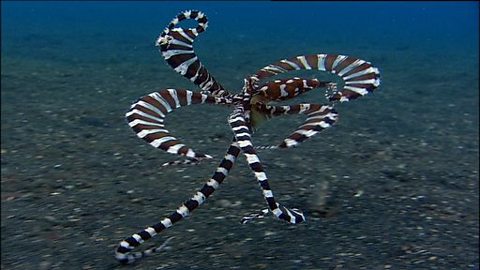
Video: Order of evolution. Video
Speciation occurs when a population becomes separated by an isolation barrier.
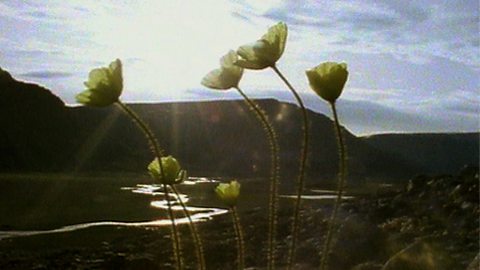
Video: Adaptation of plant life to extreme cold temperatures. Video
How is plant life adapted to survive in freezing Arctic temperatures?
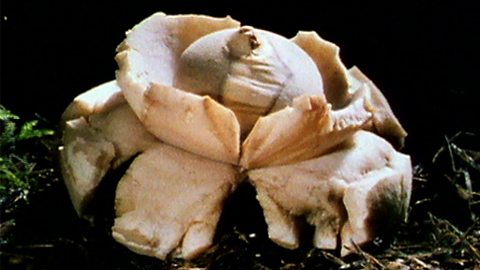
Video: Adaptation of birdcage plant, puffball and star fungi. Video
How can air be used to disperse seeds and spores?
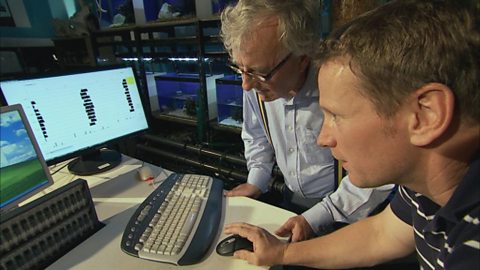
Video: Migration and response to tidal changes. Video
Professor Richard Fortey investigates the rhythmical behaviour of the Eurydice pulchra.
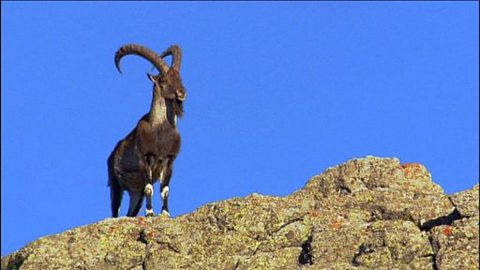
Video: Adaptation of walia ibex in finding a niche habitat. Video
Walia ibex live on sheer cliffs in Ethiopia and have adapted to survive on steep cliffs.
Video: Rock pools by night. Video
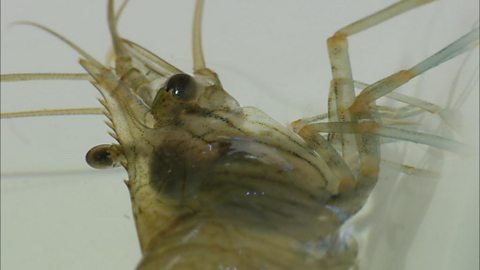
Professor Richard Fortey explores the behaviour of a glass shrimp when oxygen levels fall.
Video: Evolution of seaweed. Video
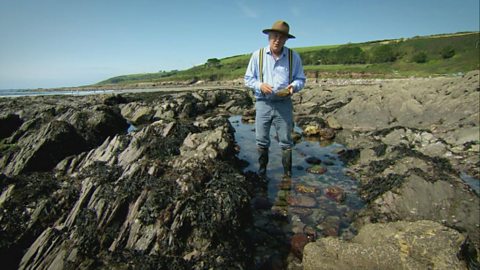
Professor Richard Fortey explains seaweed's role in maintaining a rock pool ecosystem.
Video: Predator prey relationships in rock pools. Video
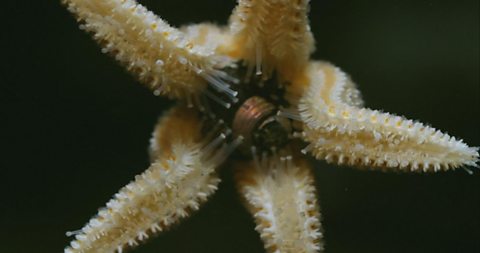
Professor Richard Fortey looks at the hunting skills of the starfish and the dog whelk.
Links
- External linkExternal link
- External linkExternal link
- External linkExternal link
- External linkExternal link
