Getting started - Instrumentation
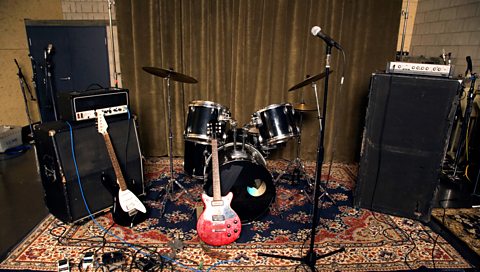
A piece of music can sound very different depending on which instrument is playing it and how the performer is playing it.
Instrumentation is an important aspect of composition. Music sounds very different when played on a string instrument compared to a brass instrument. An acoustic instrument, one with no amplification, sounds different compared to an electric instrument - seen in the difference between acoustic and electric guitars.
It is always a good idea to compose music for the instruments you know about and/or play the most.
Timbre, the sound an instrument makes and articulation, the way an instrument is played, are two important aspects of composition and performance which will make music sound very different.
When choosing the instrumentation for your piece, you should decide:
- which instrument(s) are going to play the different parts of music - string, brass, percussion, wind, electronic?
- whether the instrument should be played arco, pizzicatto, strummed or muted.
- if they should be be articulated with accents and slur markings to make certain notes sound louder and certain notes smoother?
In the video below Salsa Celtica perform Marresella. The musicians have chosen specific instruments and voices to create variety within the piece.
The percussion instruments produce an ostinato as a basis for the question and answer melody, and the rhythm section of piano, bass and bongos add riffs and harmonies to make the piece sound fuller and complete.
Salsa Celtica performing Marresella
