The anaerobic respiratory system during exercise
The Without oxygen. respiratory system supplies energy very quickly for sports such as vaulting in gymnastics or throwing a javelin where the activity only lasts a few seconds.

This system breaks down glucose into lactic acid. It produces energy very quickly.
Glucose → energy + lactic acid
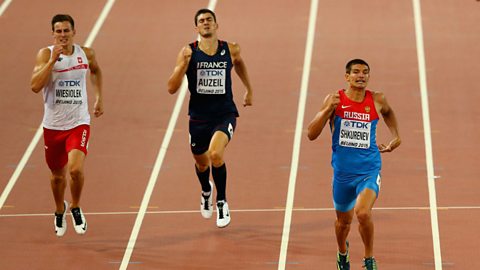
The lactic acid energy system produces the majority of the energy for moderate to high intensity activities such as running 400 metres. However, lactic acid is a fatiguing by-product of this energy pathway and causes pain and discomfort in the working muscles. It is for this reason that the winner of a 400 m race is typically the athlete who slows down the least.
EPOC (Oxygen debt)
The anaerobic systems require oxygen to restore them which is called an oxygen debt. We also refer to an oxygen debt as EPOC:
- Excess
- Post-exercise
- Oxygen
- Consumption

After taking part in exercise, a person continues to breathe more deeply and rapidly than when at rest to take in additional oxygen to repay this oxygen debt.
The oxygen is then used to:
- maintain higher than resting breathing rate, heart rate and temperature
- break down and oxidise lactic acid
- gradually reduce body temperature
- remove excess carbon dioxide from the body
A period of activity such as a cool down is the best way to recover. Cool downs should be followed by rehydration and refuelling. The refuelling should involve foods which are rich in carbohydrate and protein to ensure excellent recovery.
Many athletes and elite teams also use ice baths to improve recovery. The use of cold conditions pushes blood flow to deep tissue, preventing swelling and pain in the arms and legs. When blood flow returns to these areas it helps to flush out lactic acid and other impurities built up during performance.
