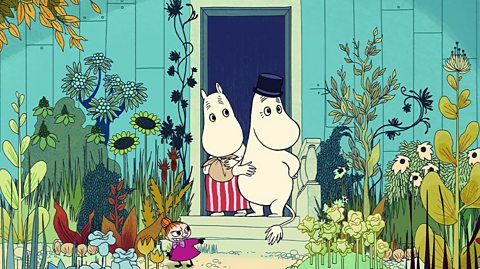
The first Moomins book was published 80 years ago but the characters and their adventures are still held dear today. Nine books were released in the series, plus four picture books and a comic strip.
Around the world, 30 million books have been sold and Moomins have featured in TV animations, films, opera and puppet shows. There are even Moomin theme parks in Finland and Japan.
To learn more about where these unusual creatures sprang from and why we still love them today BBC Witness History caught up with Sophia Jansson, niece of Moomins’ creator Tove Jansson.

The first Moomin story
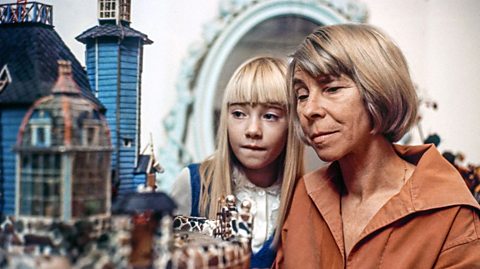
Tove Jansson’s first story, The Moomins and The Great Flood, wasn’t one she was particularly proud of. She actually described the story as “banal” saying it wasn’t very original.
Luckily, colleagues encouraged her to publish it and in 1945 it was sold as a small illustrated booklet.
It was a story that Tove wrote during the war, an “escapist exercise to get away from the tragedy that was happening around her,” Sophia says.
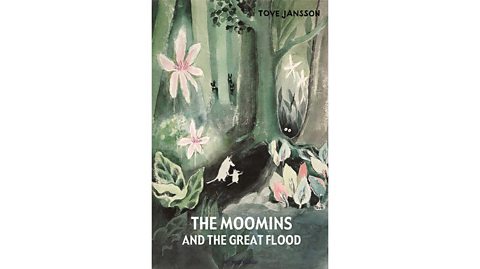
In the story there is a terrible flood and many creatures have lost their homes: “They're running and travelling, trying to find a place to live,” Sophia says. At one point Moominmamma sees a cat with all her kittens right in the midst of the flood, and she insists on helping a fellow Mamma.
This is one of number of themes that run through all the Moomin stories. Tove “equipped the characters with the skills to somehow face these catastrophes together… rather than having to face things alone,” Sophia says.
Despite her initial misgivings Tove was inspired by the warm response to her first Moomin story and decided to start on an adventure novel, Comet in Moominland. Sophia says this is the book her Aunt really considered to be the first of the collection.
The Moominverse
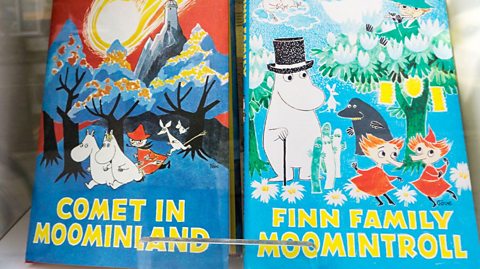 Image source, Tove Jansson
In all the stories there are the main protagonists, Moominmamma, Moominpappa and their son Moomintroll. In each story they are joined by “a plethora of other characters,” Sophia says. These characters all form part of the Moomin family “Snorkmaiden, Little My, Hemulens, Fillyjonks and so on".
But Sophia explains that Tove didn’t haphazardly create these characters: “They all have a role in this universe and become this very cohesive world of fantastical creatures.”
Sophia says her Aunt gave all her characters very distinct personalities, and traits that are very human. “I think that's part of the reason people love the stories because they find themselves in these characters.”
Rooted in nature
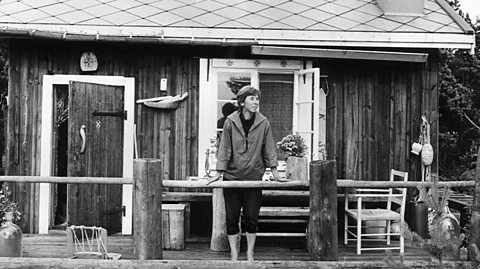
Tove Jansson grew up in Helsinki on the southern coast of Finland, which at the time was a small city. She was surrounded by water there and again when she spent every summer on the Finnish A group of islands often close together, surrounded by a body of water.
“She had a great love of the wind and sea and storms because… when the elements are raging, there's an energy to it and a force to it,” Sophia says.
“Finns are so used to being surrounded by nature, they're so close to it, they take it for granted in a way. I think nature plays an enormous role in her artistic expression.”
The personal and the universal
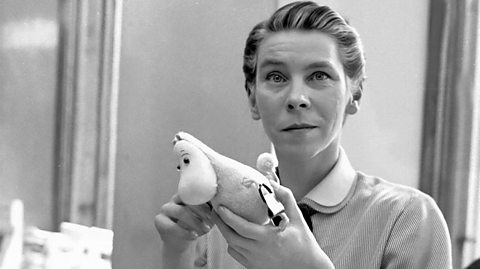
Sophia says her aunt Tove wrote about things like friendship, loneliness, belonging, adventure and family, all using “her own outlook on what is important in life.”
That outlook was all about equality and tolerance: “Respect for nature and seeing whomever is there regardless of creed or skin colour, size or shape or nationality,” Sophia says.
This gives the Moomin books a dual appeal for Sophia, and she says when people read them they “have meaning both on a personal level and then on a more universal level and that makes them current today”.
Tove maintained that only two of her characters were based on real people. Sophia confirms one of these is Moominmama, who is “very much like her own mother, Hum”. The other is Too-ticky.
Too-ticky arrives in a later book called Moominland Midwinter, and Sophia says this character was “really very much like Tove’s partner in life, artist Tuulikki Pietilä”.
Tove was a lesbian and Sophia says a lot of her Aunt’s stories are about being accepted for who you are. As people delve more into Tove’s life they realise she’s “a beacon, a quite courageous woman of her time,” Sophia says.
Why do people still enjoy the Moomin stories today?
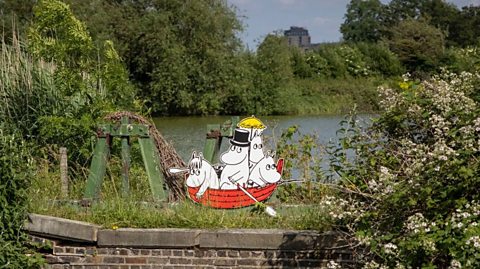
According to Sophia, her Aunt Tove’s legacy is having created something that her readers want to hold on to and that continues to have meaning.
In all her characters and stories, Sophia says Tove stayed true to her own ideals. Tove wished for us all “to be kinder to one another and seek more peaceful solutions to problems,” Sophia says.
Everything that happened in Moomin Valley remains current for Sophia because we are all human and “most of us feel lonely sometimes or different sometimes”.
With The Moomins, Tove gives us another way of approaching the bad things that can happen to us, whatever they may be. Sophia says her Aunt “somehow offers solutions to us as readers of how to actually tackle those things. And I think we do need help still today, maybe even increasingly so”.
The interview with Sophia Jansson about her Aunt and creator of The Moomins, Tove Jansson, is part of the BBC World Service’s Witness History series, you can listen to this episode, and others in full here.
This article was published in October 2025.
Five must-see pieces of public art
From walls to train stations to entire villages – artists have taken ordinary surroundings and turned them into things of beauty
Liz Pichon: Five books to try if you’re dyslexic like me
Liz told BBC Bitesize she was really bad at spelling in school but loved drawing.