Winter is here.
January and February are the coldest months in the year for the UK. Spring doesn't start until 20 March 2026.
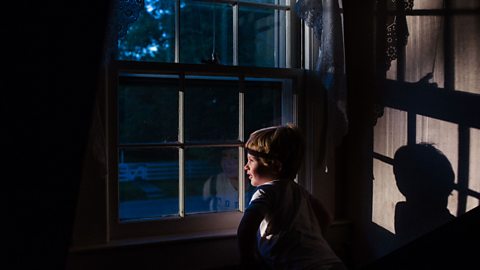
Ever since the clocks went back at the end of October, we’ve faced darker evenings and for the early risers among us, there may be very few glimpses of daylight at all.
BBC Bitesize explores why the dark nights can unsettle us so much – and a few things to try to brighten our days.
Why do dark mornings and evenings affect us?
When your alarm goes off in January and February, do you find it even harder to get out of bed when it’s still dark outside?
You’re not alone. Our bodies are designed to react this way in periods of darkness.
Darkness makes our bodies produce melatonin – a hormone that makes us naturally sleepy. Our internal body clocks – known as the circadian rhythm – rely on light in order to keep us on track over a 24-hour cycle and in darker months, this can throw us off.
On top of that, we get vitamin D from sunlight, which can support our mood and energy and some people experience Seasonal Affective Disorder (SAD) – a type of depression that can be more pronounced over winter months with a lack of natural daylight.
So low mood and a lack of energy is the body’s natural response to the winter months.
How can you boost your mood when it’s dark outside?
It may sound like a simple solution – but it’s really important for your physical and mental health to make the most of the daylight hours if you’re able to.
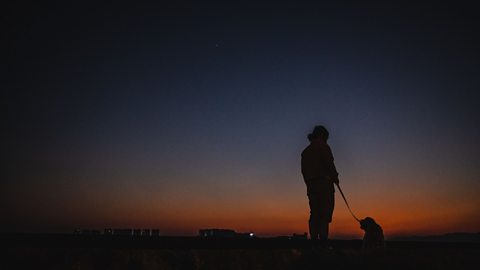
It can be really tempting, especially if it’s also cold, to keep the curtains closed – but opening them to let a few hours of daylight in can help regulate the amount of melatonin our bodies produce, as well as giving us serotonin, the mood-boosting hormone.
Similarly, leaving curtains slightly open overnight, to let natural light in each morning, could give you a boost. Using daylight-simulating lamps that can mimic natural light as you wake can also be useful to keep your circadian rhythm balanced in autumn and winter.
Getting outside while it’s light can also be of huge benefit in the darker months. A short walk in the morning light – perhaps on the way to school or work – can help to reset your body clock and boost your mood. If you make that an energetic walk or even a run or bike ride – the exercise can produce even more hormones such as endorphins which can help to boost mood and reduce stress.

The Dark Night Rises
The UK’s shortest day – the day with the least sunlight – generally takes place around the 21 December. Known as the winter solstice, in London there are typically less than eight hours of daylight on that day, whereas some parts of Scotland can have fewer than seven.
But that’s nothing compared to the world’s most northernmost town. Longyearbyen on the Norwegian archipelago of Svalbard experiences a phenomenon known as polar night.
From late-October to mid-February, Longyearbyen enters a period of official darkness where there is no true daylight as the sun is less than 6° below the horizon.
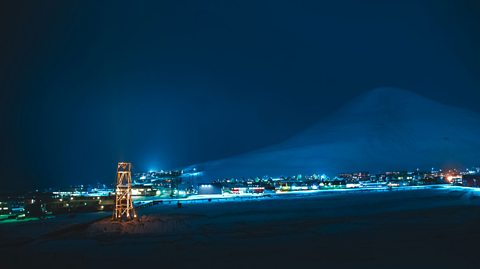
From middle of November until the end of January the town is plunged into total 24/7 darkness.
Longyearbyen is a town of extremes as things go entirely the other way over summer. From mid-April until late August, they experience the midnight sun – where the sun stays above the horizon for four months, completely blurring the lines between night and day.
How can I make the most of the darker months?
As our bodies react to the daylight, it can be tempting to think of days in the darker months being shorter not only in sunlight hours, but also in terms of practical, usable time.
When it gets darker sooner, it’s only natural to think about burying yourself under the duvet for an early night – but this can lead to more tiredness and low mood.
Planning things to do in the evenings with others can give your mood a boost – alongside making things feel nice and cosy.
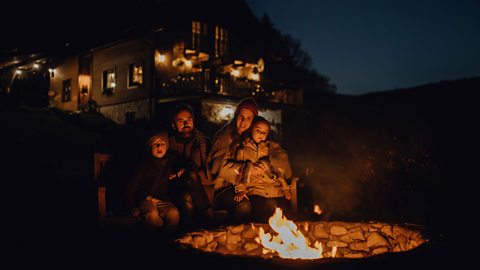
Family movie and game nights provide that sense of warmth at home and help to make the most of the evenings.
It’s also really important to make the most of free time at weekends as well by getting out for walks and enjoying the fresh air whenever possible.
Eating well can also boost your mood – and some foods contain vitamin D which can support your body when there’s no sunlight.
Oily fish, egg yolks and mushrooms are good sources of vitamin D – while milk (both cow’s and plant-based) and many cereals are also fortified with key mood-boosting vitamins.
As we have now past the winter solstice. We gain a minute or two of extra sunlight every day, all the way to its summer counterpart (and the longest day).
This article was published in November 2025 and updated in January 2026
Top 10 rainiest cities in the UK. Do you live near one of them?
The UK is known for its wet weather, but where is the rainiest city in the UK? We take a look at Met Office data to find where it might be!

Doodling - what are the hidden wellbeing benefits?
BBC Bitesize explores the hidden wellbeing benefits of picking up a pen and doodling

How AI is being used to support positive mental health
Meet Anya Aggarwal, a mental health clinician who helps people using the Wysa AI chatbot.