Why you should exercise
Exercise is one of the most important things to build into our daily routine, providing a number of benefits for both our physical and mental health. But what actually counts as exercise, and how can we get into it?
Well, here at BBC Bitesize, we've put together this handy guide to break down what exercise is, how you can add it to your daily routine, and what benefits you might see as a result!
1. What counts as exercise?
Without getting too technical, exercise is any physical activity that works your body at a higher intensity than your normal, everyday tasks.
In order for exercise to be effective, you need to be moving in a way that will raise your heart rate, quicken your breathing and make you feel warmer. This is known as moderate intensity activity.
But how can you tell if you're exercising properly?
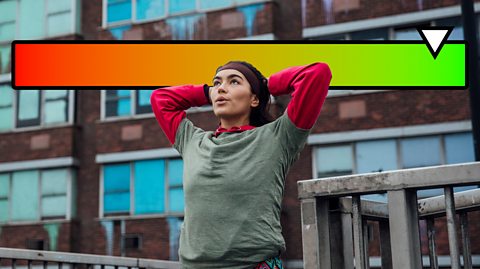
Well, you should still be able to talk whilst doing moderate activity, but not sing. So if you're curious about just how hard you're going, have a pop at reciting your favourite tunes. If you can speak the lyrics, you're good to go - but if you're sounding a little too Taylor, it might be time to be a little more swift.
2. How often should you exercise?
When it comes to exercise, the most important thing is to do what's right for you! Any amount of physical activity is better than none, so if you need to start off a little lighter - that's absolutely fine!
As a general guide however, the NHS recommends children and young people (aged five to 18) aim for at least 60 minutes of moderate or vigorous activity per day, including aerobic exercises and activities that strengthen muscles and bones.
For people aged five to 18 living with a disability, the NHS recommends aiming for around 20 minutes of physical activity per day - splitting this into multiple smaller chunks if easier.
No matter what exercise you do, the NHS recommend splitting this up throughout the day to avoid spending large chunks of time without doing any physical activity.
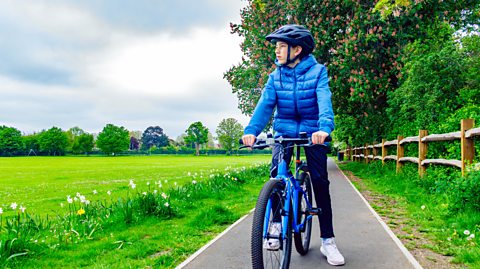
Some example activities include walking to school, joining a sports team, dancing, cycling and physical education.
You can read more about the NHS physical activity guidelines for children and young people here.
3. How can I start exercising?
Exercise can seem like quite a scary, intimidating hobby to try and pick up - but there's actually loads of stuff you can do to get your heart pumping.
We'd recommend deciding how you exercise based on the things that you enjoy, so you're more likely to keep doing it!
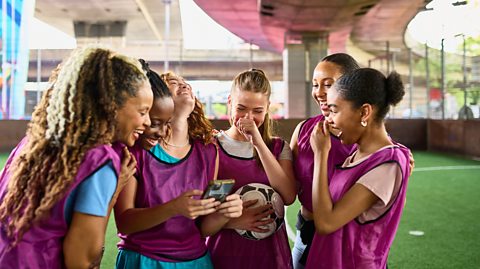
More of the sporty type? Try and join a local team, or an after school club centred around your favourite sport.
Prefer to exercise with your pals? Maybe try getting out for a walk in the wild.
Dreaming of bright lights on the West End? How about trying out one of our great dance activities!
Sport and exercise may also feel a little exclusionary, but with BBC Bitesize Super Movers for Every Body you can find loads of activities that are fun, inclusive and sure to get your heart going.
4. What are the physical benefits of exercise?
There's a number of physical benefits you can pick up from doing regular physical activity.
Exercise can help strengthen your heart, major muscle groups and bones - and studies show that exercise can reduce the likelihood of an early death by up to 30%!
Exercise is also a vital tool for retaining a healthy body, with research showing that regular physical activity can reduce the risk of developing health problems such as heart disease and dementia.
5. What are the mental health benefits of exercise?
In addition to any physical benefits, regular exercise can also be really beneficial for your mental and cognitive wellbeing.
Studies have shown that young people aged six to 13 see almost immediate improvements to their thinking and cognition following a bout of moderate exercise.
When exercising, the body releases 'feel good' hormones, which can help to reduce issues like stress and anxiety, as well as boosting our mood and self-esteem.
Exercise can also be a force to combat loneliness, as joining up with sports teams or running clubs can serve as a way to help us make new friends and find a wider community.