Engineer is second place in the top jobs teens want in our 2026 Bitesize Careers survey. If you’re curious about how things work and love fixing stuff, engineering could be your next move. But how do you get a career in engineering?
Watch our film to find out more about the route into a career as an engineer, and then scroll down for information on all the different types of engineering roles that you could get.
How to become an engineer
So you want to become an engineer? If you're curious about how things work and love fixing stuff, engineering could be your nextmove. To get started, you're going to need passes in English, Maths and sometimes science at GCSE or National five. From there you've got to do an engineering at university usually requires A-levels or Highers in maths and science and you may need to set an entrance exam. You can dive straight into studying engineering or switch later with a conversion course. Plus most degrees throw in a year in industry or an internship. Real world experience. Or you could choose a vocational route like an apprenticeship where you'll learn on the job can earn while you train and get hands on from day one. No matter the path, you'll need to finish an approved training programme or degree to get your engineering qualification, and it usually takes 3 to 5 years.
Engineering can open doors in all sorts of careers, from an aerospace or marine engineer to a mechanical or software engineer. It can even open up routes into other areas like fashion or entertainment. So could engineering be for you?
What is engineering?
Engineering is all about problem solving. Engineers use science, maths (and a lot of creative thinking!) to design, test and create machines, structures and processes. They come up with innovative solutions to issues, helping to tackle some of the world's greatest challenges, such as climate change, poverty, cyber security problems and ill health.
There are lots of different types of engineering, including civil, mechanical, electrical and chemical. The different areas are interconnected, meaning you could draw on several types of engineering in a role, or work very closely with engineers from other disciplines.
Aerospace and aeronautical engineering
Aerospace engineers design, build and maintain aircrafts such as planes, spacecrafts and satellites. Their role combines aspects of both mechanical and electrical engineering.
Zuzanna: apprentice wing designer. video
Zuzanna's an apprentice wing designer, gaining a degree as part of her apprenticeship.

Balwant: aircraft engineer
Balwant is an aircraft engineer for British Airways.
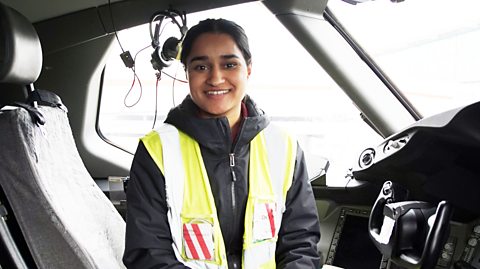
Ben: aerospace engineer
Ben's the co-founder of a company called StratoBooster. They test space launch systems.

Civil and structural engineering
Civil and structural engineers design and oversee construction projects, such as bridges and buildings.
Kawsar: civil engineering apprentice. video
Kawsar's a civil engineering apprentice for Transport for London.

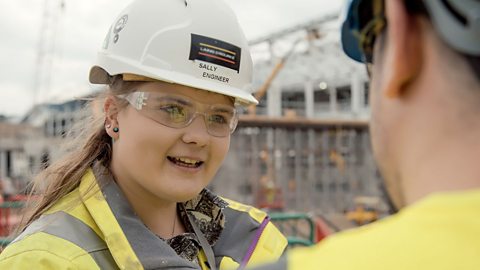
Sally: civil engineer technician
Sally works on a construction site at Manchester Airport.
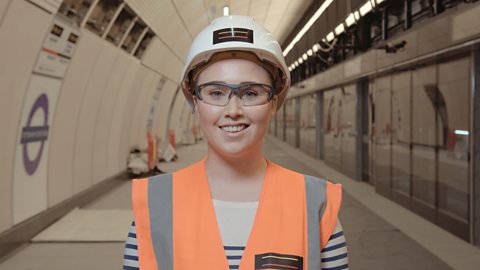
Zoe: apprentice site engineer. video
Zoe's helping to build a London tube station.
Jasmine: apprentice engineer. video
Jasmine is an apprentice engineer on the HS2 rail link.
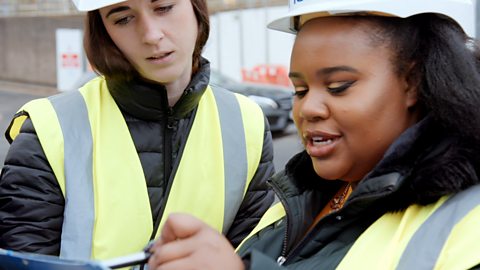
Aine: junior simulation engineer
Aine works to make buildings more energy efficient.

Electrical and electronic engineering
Electrical engineering (unsurprisingly!) is all about the generation, distribution, application and control of electrical energy. Electronic engineering is slightly different, focusing on developing and testing electronic components, devices and systems.
Ben: electrical instrumentation apprentice
Ben's training to be an electrical engineer.
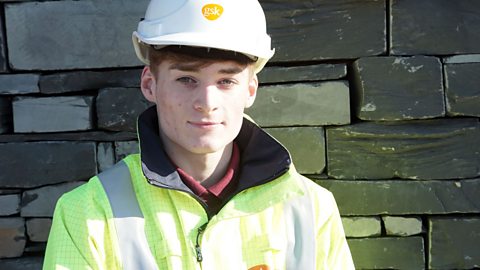
Ciaran: ecobuilding technical apprentice
In his job as an ecobuilding technical apprentice, Ciaran fits electrical points and installs software on them.
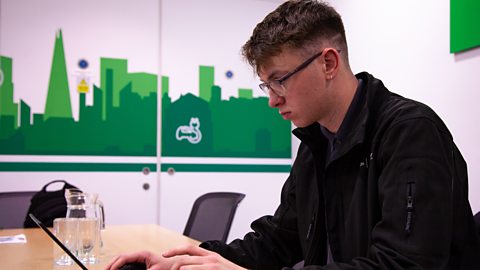
Alice: trainee engineer
Alice works as a tendering engineer, putting bids together for engineering projects.
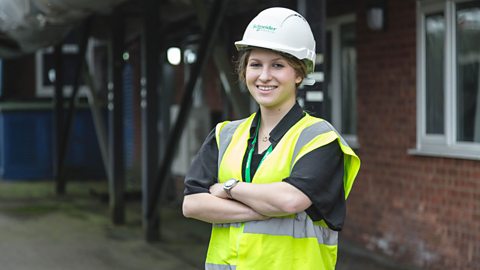
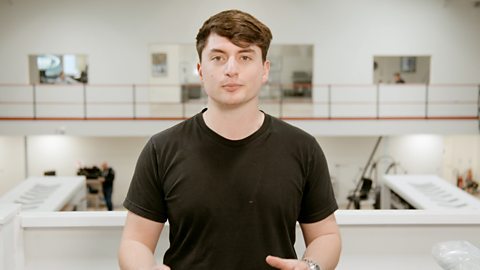
General engineering
General engineering refers to a subject you can choose to study at college or university. Rather than specialising in a certain branch of engineering straight away, it gives you the chance to get a basic introduction to the different areas before deciding which specialism might fit you best.
Jade: engineer
Jade does basic engineering during placements as an apprentice.
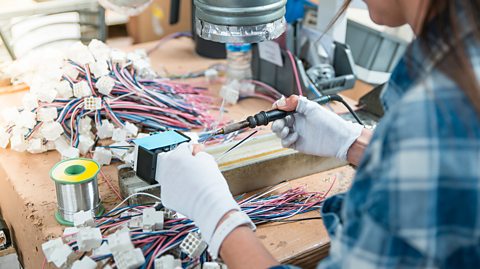
Marine engineering
"Marine" means something related to the sea, for example boats or coastguards. Marine engineers therefore work on sea-related projects, designing, building, testing and repairing boats, ships, underwater crafts, offshore platforms and drilling equipment.
Lawrence: naval architect
Lawrence is a freelance naval architect in Bristol.
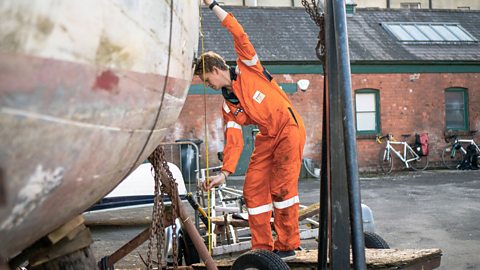
Materials engineering
Materials engineers research the behaviour of different materials to make them as efficient and effective as possible. Sustainability is a key consideration in the role, making sure we are sourcing, using and reusing materials responsibly.
Alex: apprentice process engineer
Alex is an apprentice at a building materials company.
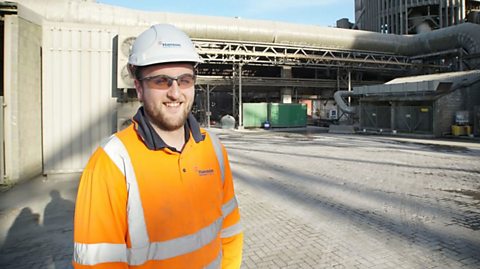
Mechanical engineering
Mechanical engineering includes anything that moves, including human beings! Mechanical engineers develop and help improve mechanical components and systems. This can include a wide array of things, from artificial hearts to driverless cars.
Jack: mechanical engineer
Jack's a mechanical engineer in a timber mill.
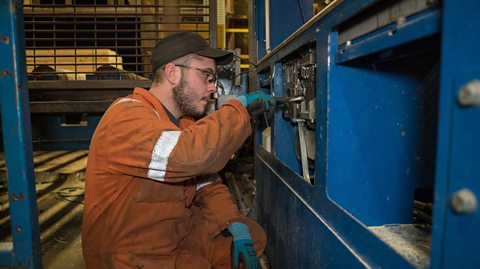
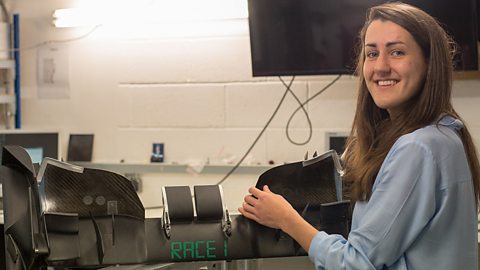
Amy: Formula 1 engineer
Amy helps develop ways to make racing cars go faster.
Production and manufacturing engineering
Production engineers and manufacturing engineers are linked to the creation of products, aiming to find the most time and cost efficient ways to produce goods, helping reduce the environmental impact of production.
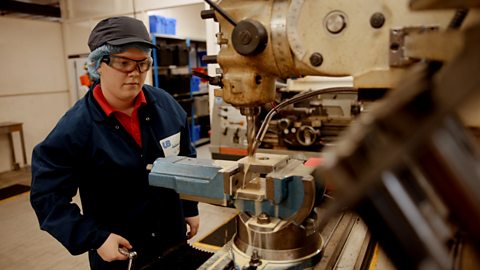
Rachael: apprentice technician. video
Rachael keeps the production line at the Jaffa Cake factory running.
Software engineering and computing
Software engineers design, build and test computer programmes, drawing on IT skills and maths.
Ekansh: software engineer
Ekansh writes code and liaises with people to solve problems with them.

Bode: software engineering apprentice
Bode's a software engineering apprentice on a youth engagement project.

Ben: senior systems engineer. video
Ben is a senior systems engineer at Shop Direct.
Sound
Sound engineers work with equipment in studios and live settings to ensure the best possible audio quality.
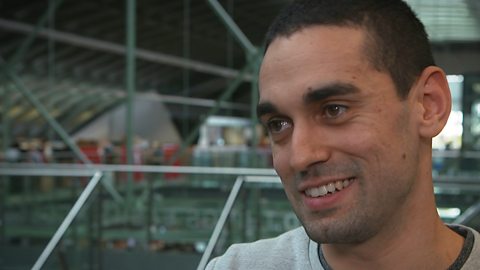
Tommy: audio engineer. video
Tommy combines a career in a band with a career as an audio engineer.

Raphael: sound engineer. video
Raphael works with artists including Stormzy, Hamzaa and Tinie Tempah.

Matilda: sound engineer video
Matilda's a sound engineer with the BBC Sound Unit.

What to expect if you want to be an engineer
- See what type of engineering role might suit you with the meet the future you quiz
- Find out more about the different areas of engineering with this guide from Tomorrow's Engineers
- Learn more about roles in engineering with the National Careers Service explore careers tool
- Discover a practical new way to study via T-levels (England-only).
For careers advice in all parts of the UK visit: National Careers Service (England), nidirect (Northern Ireland), My World of Work (Scotland) and Careers Wales (Wales).
Where next?
How to get an engineering apprenticeship?
Bitesize Careers celebrates National Apprenticeship Week 2026 with a look at how to get an engineering apprenticeship.
Careers A to Z: Find your perfect job
From actor to zoologist, find the right fit for you.

More from Bitesize Careers
Hear from young people about the world of work.