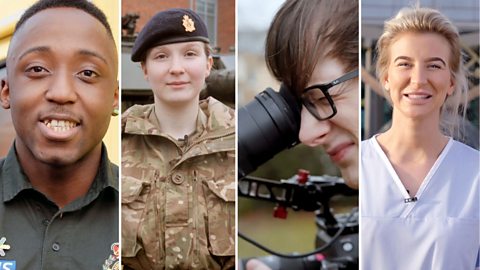
To celebrate National Careers Week 2022, Bitesize Careers have put together a special panel to discuss careers in media and journalism. What's it like to work at BBC News, Capital FM and EastEnders? Scroll down to find out!
Visit our Q&A panels collection where you can also watch career panel discussions on healthcare and science, sports, music and arts, and technology.
Media and journalism panel discussion with Owain Wyn Evans
Owain Wyn Evans talks to three people who work in the media and journalism industry. They give an insight into what might be available to you when you leave school, and reveal their tips and advice on how to get a foot in the door. They also discuss challenges they have overcome and what they expect the future prospects might be for jobs in their sector.
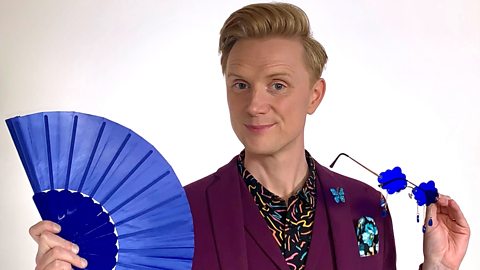
Owain Wyn Evans is a Welsh journalist and weather presenter for BBC North West Tonight. He started his career at the age of 18 on Welsh children's news programme Ffeil. In 2021, he completed a 24-hour drumathon for Children in Need where he raised £3.75m.
Meet the panellists
Niall Gray
Capital FM
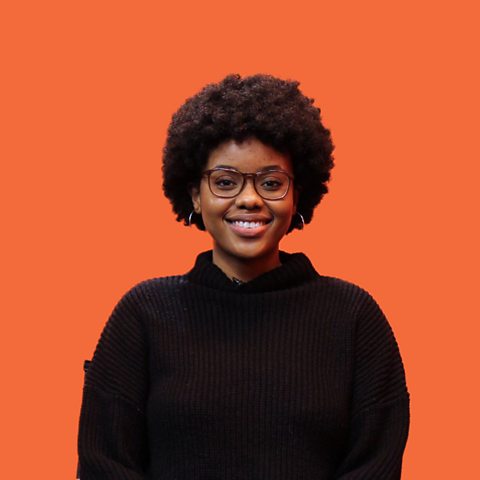
Elizabeth Kwenortey
EastEnders
Joe Tidy
BBC News


Intros and how it all started
- How would you describe your role?
- What sort of day-to-day tasks does your job involve?
- How did you first get your career journey started?
Owain:
I'm so pleased to be here today to help you explore the huge range of jobs that could be available to you in media and journalism. I've spent many years working in the industry as a journalist, a broadcaster, and a weather presenter for the BBC. Or you might know me best as the drumming weatherman. Now the media industry is changing all the time. And I'm sure our guests today will agree that every day is exciting and different. And you know what's really important to me is that it's an industry where you can fully embrace being yourself. It's been an amazing career for me so far. And, uh, I'm excited for what lies ahead. We have some great people here today to help us explore media, journalism, and the various jobs within these industries to give you an insight of what might be available to you when you leave school. And hopefully give you some career inspiration as well. So, shall we meet them? Alright then. Everyone, please meet our fabulous panellists.Niall is here with us. And we also have Elizabeth here. Elizabeth, hello.
Elizabeth:
Hello.
Owain:
And Joe is here as well. Hello, Joe.
Joe:
Hello.
Owain:
Hello, you three. (All: Hello.) Oh, it is so great to see you here today.
Niall:
Thanks for having us.
Owain:
I hope you like the orange set.
Joe
It's pretty good.
Owain:
Orange of course is our colour. So why not go for it?
Joe:
Matches the suit very well.
Owain:
Well, you know, I didn't want to say anything. Yes, it is a complementary tone. I would tend to agree. Um, so let's hear a bit more about you and what you do. Joe, I'm going to start with you. Tell me a bit about yourself Joe and what you do.
Joe:
So, I'm the BBC's, uh, Cyber Reporter. I work for BBC News. Obviously bringing news to the UK and around the world. And my job is to look at basically all things internet. So, anything to do with internet connectivity, I'm trying to explain to, uh, readers and viewers around the world how that sort of thing affects their lives. I look at hacking, cybersecurity, gaming, uh, social networks. All that sort of stuff that we all sort of take for granted.
And we love. But also, it comes with dangers as well. So that's my job.
Owain:
Absolutely, yeah, sounds, sounds so interesting. Looking forward to hearing more about that. Um, Elizabeth, tell me quickly about what you do and who you are.
Elizabeth:
So, I'm Elizabeth and I'm a script editor at EastEnders. Um, which is a continuing drama that is produced at BBC Studios. And my role is to liaise with our commissioned writers as well as our production departments to ensure that we're creating not only an entertaining script, but a script that can be done and achieved.
Owain:
And for us watching at home, it's so interesting because obviously we don't see any of that side of it. So, I can't wait to hear more about that. Niall, how about you? (Niall: Hello.) Tell us a bit about you and what you do.
Niall:
So, I'm a presenter on Capital Radio. Uh, so I play the songs. Simp-simple-, simple as that, really.
Owain:
Oh, you do so much more than that.
Niall:
Ahh, yeah, well, I try. [laughs] I talk as well. There you go. (Owain Great.) (laughs) And I'm also a content creator online, mainly for TikTok and sort of other forms of social media as well.
Owain:
Mm, fabulous. Well, again, you three, thank you for being here. Um, Elizabeth, I'm going to turn back to you now. And, um, tell us a bit more about your job. What does the kind of day-to-day look like and you know, w-what does your working day comprise of?
Elizabeth:
That's a really, really difficult question, because it is something new every day. Um, you can plan, you can have a schedule of how you intend things to go. But um, I guess that's part of the excitement. You don't know what's going to happen. So, one day could be me, um, receiving scripts from our writers and just giving them to our script coordinators to distribute to the rest of the production teams to see what stories are coming up. Or, um, how they can plan for the production of these scripts. Another day could see me actually helping out on set. Um, people asking me about lines that want to be cut or things that need to be added in. So, it's a real mix, but, um, it's really fun and exciting. And you do have to be on your toes.
Owain:
Yeah, I bet. And actually, I think we've got a little clip here of an episode of EastEnders that you worked on. Let's have a look at this.
(CLIP STARTS)
Keegan:
It's too hard being near Anna.
Patrick:
So, what, you're going to leave her here on her own?
Keegan:
She's got enough people looking out for her. She don't need me here.
Patrick:
You don't know that. So, before you turn your back on someone, be a hundred percent sure here and here.
(CLIP ENDS)
Owain:
Ooh, Elizabeth, very dramatic scene that, wasn't it? Do you remember that one?
Elizabeth:
I do. Um, I worked with a really great writer who had so much flavour to inject into the story.
Owain:
For those who are watching this and think, ooh, Elizabeth's job sounds so cool. How do I get into it? What were your first steps in leading you to where you are now?
Elizabeth:
I think the main part, um, is watching TV, talking to people, and making sure that you inject your passion at every stage. From pre-interview to interview to you becoming a part of the production itself.
Owain:
Mm, and of course, apprenticeships are, are a great way of getting started in that kind of industry and many as well. So, I suppose there are lots of different pathways in, aren't there?
Elizabeth:
Absolutely. I was a trainee, actually. So, um, I was a rookie and they do acknowledge that. I mean, sometimes it's intimidating 'cause you're part of something so important and everyone's working hard. And of course, you will work hard, but if you do make a mistake, they realize, look, this is your first run. It's ok. And they really help you and guide you through.
Owain:
I-I love to hear it. It's so interesting. I could chat to you all day about your job, honestly, but I know we've all got to chat about our jobs here today. Joe, let me turn to you now. Your job also sounds absolutely fascinating. What does a day in the life of Joe look like when you're, you know, going into the office and doing your work?
Joe:
It always starts at about the same time, about half past eight in the morning. And I furiously read the news. You've always got to be on top of what's going on in your area. My area's cyber, so I spend the first sort of hour or so furiously going through the, uh, Twitter is a big source of news. Um, Apple News. I-I subscribe to loads of different technology, emailing, email, mailing lists, so I go through those as well.
Owain:
So do you find a lot of the time, Joe, that you're, you know, working on something and you're thinking oh, this is nice. I like this project. Then all of a sudden, there's like a breaking news story. And as you said then, you have to kind of [JOE: Yeah.] put that stuff aside. How do you juggle all of that?
Joe:
You have to learn to be able to just drop one project and pick up another one. I call it, um, becoming an instant expert. Because sometimes you, you'll be in the news room, particularly in my last job when I was at Sky News as a general correspondent, uh, you'll be looking at something and working on something. And then they'll say hang on a minute, um, every airport in London has said they can't land any planes. There's a crisis. There's an emergency. We need you on set. So, I'll be like, well, I know nothing about [laughs] landing planes. So, you sort of like, quickly, you know, furiously researching, calling people. And then they're like, we need you on set, we need you on set. So, I'll be on set sort of like, having no idea what I'm talking about. Um, so you have to be an instant expert. Um, and that's a great thing about being a specialist. If you have an area of journalism which you know you're good at, you know you're sort of an expert in, then you can kind of talk all day long about your area. And you can have some idea of, you know, your skills and expertise in that area.
Owain:
I suppose the big question for me is now, having you said about that story, can you land a plane, Joe?
Joe:
Of course. (laughter)
Owain:
Brilliant.
Joe:
Give me ten minutes in Google, I'll do it for you. (Laughter)
Owain:
Amazing. We've got a clip of some of your work as well, Joe. Let's have a quick look at this.
(CLIP STARTS)
Joe:
Johan Sundstein has climbed some of the highest heights in gaming. He's lifted the most valuable trophy in e-sports not once, but twice. We join him on a busy weekend of competition, four online matches in a tournament, with half a million dollars at stake. Well, Johan's team manager has just kicked us out of the game room. The players need complete focus. They don't want any distractions, including cameras and us in the room. So, we're watching it next door on a projector. This is the feed that's being pumped all over the world.
(CLIP ENDS)
Owain:
Tell us a bit about what we were seeing there in that clip, Joe.
Joe:
So that was, um, a year ago we went to Portugal to, um, Johan Sundstein's, uh, gaming house. His, he's, he's a gazillionaire. I think he's earned seven million, uh, dollars since he's been an e-sports player. He's the most successful e-sports player of all time. And we chatted to him about his life and how he's become such an incredible, you know, uh, figure in esports. And we did a did a feature for, um, BBC News YouTube and the website. Um, and then we wrote up a kind of, a feature report and I did radio piece. 'Cause everything I do, um, we have to get value for money out of it. So that trip, I went to Portugal with a producer. Cost a bit of money, obviously. So, we produced lots of different formats. There was a, you know, social media Instagram cut. YouTube, uh, radio piece, written piece, and we just try and get, drain as much goodness out of every story that we do as we can.
Owain:
Yeah. Yeah, of course. How did you get into this, Joe? What was the career path for you like?
Joe:
Well, I'm afraid I've always been, uh, a massive geek. So, um, I knew from a very early age that I wanted to be a journalist. So, I did lots of work experience at the local, um, newspaper, which is the Slough, uh, Windsor Observer. And I kind of just went and made the tea, uh, for a week. And then went back and the next time they let me in, I made the tea and I wrote some tiny articles. Next time I went back, uh, they gave me more responsibility. So then I went to university and did English. And then after that, I did broadcast journalism. All the way through uni, I'm afraid I was one of those real sad people that was in the media centre all the time. So, I'm a real sad act, I'm afraid. (laughs)
Owain:
You know, I, I think that's such a positive thing, because, you know, if it wasn't for that time that you'd put in then, you probably wouldn't be doing what you love and what you do now. So, it's all worked out alright, isn't it?
Joe:
Yeah, yeah. I'm enjoying my job, that's for sure.
Owain:
Oh, that's, that's great and well it's, it looks great as well. Joe, thank you very much. Niall, hello again.
Niall:
Hello.
Owain:
You've told us that you, you love to chat. You love to play us all the hits on the radio. And of course, you know, you've got a-a big presence on TikTok. But tell me more about your, your job, Niall, and what you do.
Niall:
Yeah, so sort of day to day, I, well, unfortunately like Joe, I can't land a plane. (laughter) Uh.
Owain:
Oh, what a disappointment.
Niall:
I know, but we do start our days off in a fairly similar way. Yeah, I would start the day off by scrolling through social media. A hard start to the day. Probably, probably th-the same way that a lot of us wake up as well.
Owain:
It's how I start my day as well, actually.
Niall:
(Laughs) Exactly. Uh, so then yeah, I'd sort of get into the studio with the producer as well. We go through the show and sort of see what competitions we've got coming up. Go through the songs, sort of plan the show. But not too, not too much, really. Sort of leave, leave some links free, because you never know. It's al-always fast moving. Something could, something could change at the drop of the hat, really. So, throwing that in last minute as well is always, was a nice way to do things.
Owain:
Mm, you said that, um, earlier on, that, you know, personality is a part of what you do. And I, I feel really lucky, because in my job, you know, I can inject a bit of personality into it. And I think I said at the start that I feel like I can really be myself now when I do my job, which I think is really important. Do you find that you get a lot of freedom to be able to put some of you into it?
Niall:
Completely, yeah. I think when, when I was in school, I was sort of hoping to be an actor and I was sort of thinking this is what I want to do when I leave school. And then I realized with presenting, like, you can, you can sort of do the same thing. You can learn scripts, perform on different sets and studios and things like that. But you can be yourself. So, I thought that was quite exciting. And just sort of pursued that. And, uh, cracking on with that, yeah.
Owain:
Yeah. It's going well. It's going well. And of course, also, TikTok, let's have a look at one of your, uh, clips on TikTok. This is one of the ones that went viral. I know many of them have. Let's have a look at this.
Niall: (CLIP STARTS)
Ok boys and girls, welcome to the annual disco. We're going to be partying in until seven o'clock tonight. That's right, forget the bedtime. We're having a late one. I've got my spiky hair. I can see that you've got yours as well. Let's try this right now, year five and six I want to hear you make some noise. Ok, let's try reception. They're not here. Cool kids only. Alright, make sure you get your tuck shop tokens off of Vicky. Ms Robinson, sorry. So many snacks here tonight. We've got wagon wheels. We've got refreshers. And of course, jammy dodgers.
(CLIP ENDS)
Owain:
Haha! Brilliant.
Niall:
Never forget the jammy dodgers.
Owain:
Of course. An underrated snack, I would say.
Niall:
Oh, massively, massively.
Owain:
So of course, that was you doing your thing on TikTok. Tell us a bit about that video. What was going on there?
Niall:
Uh, that was one of the first videos I actually posted on TikTok. Funny enough, I filmed that about two years, maybe a year before posting it on TikTok.
Owain:
Really?
Niall:
And this is sort of the, the weird thing where all of these sort of different social media platforms have, are sort of set for different audiences. I put that on Twitter and I think I got about ten likes from just people I know. And then when TikTok sort of started becoming a thing, I was like oh, I'll just chuck it on there. And it seemed to do really well. So, um, I don't know why that was, but it was obviously the sort of the right audience for it. Uh, but yeah, the way, the way the video just came about, um, I was just talking to a mate, uh, about primary school discos and sort of remembering how good they were. (laughs) They were so good.
Owain:
They were great. The best disco that exists, I think.
Niall:
And then we're just talking like, they, they always sounded the same though, didn't they, the DJs, they'd have that same 'OK voice'. And I was like, th-there's a video in here somewhere.
Owain:
Oh, brilliant. Elizabeth and Joe have both told us how they got into the industry and how it kind of started for them. Um, hearing their stories, was it a similar kind of thing for you, Niall?
Niall:
My sort of way in was I noticed a lot of people were sort of getting spotted through YouTube. So, this is about, about seven years ago now, I sort of thought this is a great way of sort of using YouTube as a bit of a portfolio. Rather than trying to become a YouTuber, really, that wasn't sort of the, the sort of mindset I had, but just using it to sort of get some stuff out there. Uh, I knew I wanted to get into presenting, so I started doing some street interviews. And, uh, tried to sort of like, showcase sort of my presenting skills, in a way. And learning presenting skills. That, I think that was a great way of training, really. Talking to people on the street, you sort of never know what they're going to come out with. So (laughs) that's a great training ground. Put it out on YouTube. And then lo and behold, somebody from Heart Radio sort of found, found me on there and asked me to come in, uh, and do what they call a radio demo. Sort of hear how I sound on, o-on air. And they seemed to like it. And then they put me in touch with Capital. And it all sort of went from there, really.
It's an industry where you can fully embrace being yourself.
Owain
Career experiences
- Is your current job what you've always wanted to do?
- Have you experienced setbacks along the way in your career?
- What did you study at school and do you use that knowledge now?
- (How) are you able to bring your personality into what you do?
Owain:
Ok, you three, let's step back in time. I've a little memory to show you here. Have a look at this picture of me in my younger years. Oh.
Joe:
There he is.
Owain:
Oh, look, look, you three, look at that picture. I was an absolute delight as a child, but very noisy.
Niall:
Yeah. (laughs)
Owain:
As you can imagine, with that drum kit there.
Niall:
Always full of talent.
Owain:
Always full of talent, absolutely. You know, when I was younger, that's what I wanted to do, wanted to play the drums. But my career led me into a different path, I guess, because-
Niall:
You sort of do both.
Joe:
Yeah.
Owain:
Well, actually, yes, I have been able to play the drums a little bit once or twice over the past few years, you three. (laughs) But Elizabeth, was this always what you wanted to do?
Elizabeth:
Um, I wanted to be a singer.
Owain:
(gasp) We could've been in a band.
Elizabeth:
I know. We could have been in a band. I, I wanted to be a singer. Um, that got shut down very quickly. But I always loved the performing arts, drama, and opportunities to get involved there. When I went to university, I studied a subject that isn't necessarily associated with the creative field, but what I liked about, I guess, university itself is you're allowed to kind of push things in the direction you want them to go into. So I started religious studies. But I found a way to kind of bring a music element into it. Um, so I looked at, you know, how music is used in faith. And, um, I got involved in the TV Society, uh, Edinburgh University Television Society. And, um, it was great fun and it helped me find my way back. So, I guess, yeah, this is akin to what I always wanted to do.But, um, it's just great 'cause it is a show that I’ve grown up on and loved and been obsessed with. So yeah.
Owain:
How about you, Joe? Is this always what you wanted to do when you were younger?
Joe:
Pretty much, yeah. I said earlier I've been a, I've been a, sort of media geek since the early days. I think there was a-a brief period of time where I wanted to be a zoologist. So, when I was about nine or ten, I remember I went out a couple of times and sat in the, uh, in the shed in the garden at dawn, waiting for animals with a little camera. But it was so boring. I think I got a squirrel once. And then I gave up. (laughs) So yes, since then it's been, it's been pretty, pretty set on journalism, really.
Owain:
Mm, and I suppose we, we often get setbacks. We spoke earlier about good days and bad days. But sometimes, you know, things look like they're going really well in your job and then something happens. Joe has, has anything like that ever happened with you? Where you've thought that things were going well and then oh, that, there was a difficult moment, perhaps.
Joe:
Um, yeah, I mean, it happens quite regularly. Um, like I said, y-you have, you have, it's all about performance in a sense. You know, journalism is w-, someone once told me it's a, a s-, a step away from presenting and a step, step towards kind of, um, factual, uh, information giving, giving, really. So, um, you can have good lives and good, good, good performances. And you can have bad ones. My job, journalism, this industry's very, very competitive. You have to be first. You have to be right. Um, and sometimes you're not first. And that can be really annoying. If you've been working on a story, like a, I don’t know, uh, some sort of trend that, that no one else, you think no one else has spotted. So, you know, you spend a long time researching it and getting all the, uh, interviewees and everything together. And then before you know it, someone else has done it the day before you're going to do it. And that's happened to me a couple of times and that's really, really annoying.
Owain:
Yeah. You probably have to be quite resilient and sort of remember what you're doing and just stick to it.
Joe:
Definitely. And I wish I was more resilient. Because that's one of the things that I, I really admire about some of the best journalists. They seem to be very thick skinned. Whether or not they are, I don't know. But I think it's, it's, it's a skill that, um, I'm developing slowly over time. And I think the more you can be, you know, a thick skinned person, I think it does help.
Owain:
Yeah. Niall, how 'bout you? Do you find like you have to be like that in your job? You know, resilient and as Joe said, thick skinned to a certain degree perhaps?
Niall:
Yeah, definitely. I think you've got to be a nice person as well. Because you're always, it's such a small industry, really. You're always going to sort of end up working with the same people again. Uh, when I first started at Capital, they opened up a station in Brighton.And, uh, I did the drive time show there. So, I was doing that five days a week. And I was like, here we go. It's, it's off. It's off to a great start. And seven, seven months later, it's gone. They sort of merged it with a, with, uh, the other station sort of around the south coast. So, my job was just made redundant. So as soon as I thought I got the ball rolling and here we go, we're off now. And it's sort of back to square one, really. So, uh, it was definitely a big old knockback. And it was, not trying to let that sort of dishearten me and sort of think oh, maybe I should sort of figure out something else too, to go into. But if anything, I was just more focused and sort of trying to figure out, right, how, how do I sort this out? How do we sort of get back, get back going again? And uh, yeah, it all seems to have sort of worked out so far, anyway.
Owain:
Yes, works out really well, I would say. So did you find that you, you know, you said you, you just had to kind of stick to it and think no, this is what I want to do. And, and believe in yourself, I suppose.
Niall:
Yeah, definitely. And weirdly, looking back at it now, even though at the time when I found out I got made redundant, it seemed like the worst thing ever. But now I look at it and it sort of worked out in my favour, really. So, I'm now doing the, uh, the sort of th-the network Capital show, um, over the weekends. So that goes out throughout the whole of the UK. Whereas at the time, it was sort of just in that Brighton region. So um, yeah. And I wouldn't have got the opportunity if I was still in Brighton. So, looking back at it, although it feels like at the time it could be the worst thing ever, it, it all happens for a reason, I think.
Owain:
Yeah, I do think everything happens for a reason. Absolutely. That, you know, sometimes I'm sure the, the four of us have experienced this, where you think as y-you've said, you know, oh, that was a terrible thing. I can't believe that's happened. Oh, it's just so dreadful. But then of course you look back at it a lot of the time and you think, well, if that hadn't happened, I wouldn't have, you know, done this, which has led to this. And I remember things like I even, you know, back when I was in school, I guess.
Niall:
Yeah, sometimes you can really go far back, can't you, and think oh, if I didn't, I didn't do that in school, I didn't meet that person, wouldn't have gone, gone to college and meet that person. And keep going so far back.
Owain:
If I hadn't shown an interest in drums all those years ago, what would've happened? (laughter) Speaking of school, you three, um, let's talk about exams. Now exams for some people are things that, you know, make them happy that they like. Some people aren't so keen, perhaps. I know that, uh, many people watching this will be about to sit their GCSEs or their National Five exams. Um, let's cast our mind back to the schoolyears, you three. Joe, can you remember what you studied at GCSE and what you really enjoyed?
Joe:
It was a while ago. A lot of effort went into, uh, geography, religious studies, and English, for some unknown reason. But I suppose that helped later in life.
Owain:
Elizabeth, how about you? What subjects did you enjoy or maybe not enjoy at school?
Elizabeth:
So, I definitely enjoyed, uh, the category of what you guys might know as humanities subjects. So, I enjoyed history, religious studies, and, um, English as an essay based subject. Um, on the other side, um, I found subjects in STEM, so science, technology, engineering, and maths, quite challenging. Um, just the strategy and, um, uh, way around it, I wasn't as compatible with. Um, so, um, they were interesting subjects, however I found myself more engaged with humanities.
Owain:
Niall, how about you? If you cast the mind back, what would you say ooh, yeah, that one has really helped me do my job now. Or did any of them?
Niall:
Um, yeah. I think ICT, I remember doing that and, uh, at the time, sort of enjoyed it. But now, I sort of learnt how to edit videos then and sort of used Photoshop. Um, so now it's obviously a great skill to have with editing videos for TikTok or Instagram, whatever it is. I really enjoyed doing drama. I think that's great for confidence building as well.
Uh, even, ev-even if you didn't want to get into drama, I think that's always such a great one. Because we all need confidence, really. And it's, it's such a great skill to, to learn. Um, and a look back at English now and sort of think I could’ve done better with that one. Um, I think if, if I went back to school, I'd sort of focus a little bit more on that.
Owain:
And of course, sometimes it's just good to, to do things that you enjoy.
Niall:
Mm.
Owain:
And when I think back to when I did my GCSEs and my A levels, you know, I remember really enjoying some of them. And, but really loving the music as well. So, I'm really glad I did the music. So, you know, it all ties into that, doesn’t it? Thanks, you three. On the BBC Bitesize website, there are tons of videos and explainers for all subjects you study at school. It also now has personalization, which we love. So, you can log in and track your progress with revision and smart quizzes. So do check it out. Ok, you three, let's talk about personality. And I suppose, we mentioned it a bit earlier on, you know, being able to be yourself. Is there something, well, I actually, Niall, I bet with your job, we've spoken about this, you know, being you is a really important part of what you do, I suppose.
Niall:
Yeah, completely. 'Cause I've sort of realized this over the period of, of sort of being on the radio and, I mean, especially with, with TikTok as well, if you don't really have any personality, who's going to, who's going to want to watch your videos? But on, on the radio and, I guess, any presenting, anyone can get given a script, can't they. And as you know, you got to, you got to bring your sort of life and your personality into it, because otherwise, you can just hire anyone. You're s-sort of replaceable that way. So, whatever, whatever it is that your personality is, add some comedy to it, add sort of a bit of emotion to it, sort of like, you've got to find that thing and, and sort of run with it, I-I guess.
Owain:
Is it ever hard to kind of put yourself out there like that? Because I, when I was younger, I used to suffer really badly from social anxiety. You know, I didn't like being in groups of people. And every now and then, it sort of creeps back up to say hello to me. Do you ever find it difficult to, you know, have to really put yourself out there in that way?
Niall:
Yeah, I think, again, the radio's a funny one, because you're obviously sat in a studio. You can't see the people. But then there's a little screen at the top where it shows where, like, all the adverts are going out to. So, it shows all of these regions around the UK. And sometimes you look at that and think that's a, it's a lot of places. So as soon as I sort of got that into my head, like, ok, there's a lot of people listening now, I g-, yeah, I get that sort of fear again. But I think if I just sort of forget about it and just sort of try and pretend you're talking to your mate. It's always the best way to do it, yeah.
Owain:
Mm. And Elizabeth, I guess with your job, you, you don’t really put your personality into it on paper. But I guess you, you know, as we mentioned earlier, you have to kind of be confident in what you do. And sometimes be a bit assertive as well, I suppose.
Elizabeth:
Absolutely. And it's finding yourself within a team and how to, um, interact, but, uh, react to situations accordingly. And that's something I've had to learn a lot. Um, I've had a lot of help. Um, I, mostly when I first joined the job, I was a bit unrefined. And would just blurt out my opinions without really considering the effects or, um, what it would mean to someone else generally within, within a team. And, uh, luckily, I'm in a team that kind of guided me, were like, look, [laughs]. Um, and kind of helped me to learn about working with different types of people from different areas, different backgrounds, different interests. So yeah, it terms of being myself, it's more within a team dynamic, which is really fun.
Owain:
Yeah, yeah. Joe, this is a, this is a bit of a weird question, but I'm going to ask it anyway.
Joe:
Go for it.
Owain:
Joe, how would you describe yourself? And how does that make you good at what you do?
Joe:
Uh, I suppose I'm, I'm always curious. I always want to know more. Um, m-my wife sometimes says that I-I interrogate people if we have, like, a dinner party or something. 'Cause I’ll be interested in, you know, what they do. And I'll be asking probably too many questions. Um, so I think that kind of helps, because I'm asking questions all day long to people. Um, also persistence as well. You know, I, I don't often take no for an answer. And, um, in that, in that, in, in my job and industry, that, that's really important. But I think journalism really, th-the, it takes a variety of people. And I think actually, diversity is one of the most important things that we have in a news room. If you've got people from different backgrounds, people who think differently, that helps the way you approach stories and it helps the sort of stories that you bring in. So I think it is, like these guys are saying, it's about trying to be yourself in that environment.
I think you've got to be a nice person as well because it's such a small industry really – you're always going to work with the same people again.
Niall
Future of the sectors & audience Q&A
- In your experience, how is your job sector changing?
- What do you think is next for media/journalism?
- What are your top tips for other people wanting to build a future in media/journalism?
Plus our panel answer questions sent in by the Bitesize audience.
Owain:
We chatted earlier about, you know, how, I suppose, jobs have changed a bit. Do you find that within your world, it's very fast-paced in that respect?
Niall:
Yeah, it really is. Yeah, it can, it can massively just change overnight. You can sort of hear whispers about change going on. And all of a sudden, it's happened and everything's, everything’s different.
Owain:
And I suppose keep an open mind about things, as well.
Niall:
Yeah, yeah, and everything's moving forwards. And I think if you're too focused on something, you might miss out on opportunities. If you're so focused on, on, on doing one thing, I mean, who knew that TikTok was going to be a massive things all those years ago? And a-again, I just sort of decided to put a video on there and sort of ended up doing alright.
And that is sort of part of my job now, which is super weird. I mean, I can scroll through TikTok and somehow call that work. (laughter) Researching, I'm researching. (laughs)
Owain:
But it does take a lot of time. You know, what you do. And it's an art. And you know, obviously it's, it's a new form of media. And as you say, who'd have thought that this would be a thing now, but here we are. It's incredible.
Niall:
What's next?
Owain:
Yeah. that's a good question, what is next? And Elizabeth, what would, what would you say, what is next? You know? I mean, does, do you find that your industry and your job is something that changes with time? Or does it depend on the show that you're working on?
Elizabeth:
I think it's changing with time, because there's new and there's more things being made. More content. Um, more TV shows, more series. I mean, we all know about Netflix and, um, what's happening there. But I think as well, um, EastEnders in particular has made an effort to change with time as well. As well as harking back to its origin values. Um, addressing new, new topics as they come up. Um, new points of social discussion. And so, yeah, I think it does change. I think it’s more about, as a script editor, changing my mindset to be aware of that as well. And kind of, um, ensuring that I’m not holding it back. But happy to move forward at the same time.
Owain:
Mm, and Joe, what you do is something that is changing all the time. I bet you know, sort of cyber, cybersecurity, this is something the people are probably more aware of now than ever. So, are you seeing things move on quite quickly within your job?
Joe:
Yeah, I think different, um, specialisms and briefs come up now. Who would've thought, you know, ten years ago that cybersecurity would, would be enough to sustain an entire journalist's time? And likewise, on my team, there's a gender and identity correspondent, a population correspondent, a religion correspondent. So, all these different briefs have come up in the last few years. But I think, going back to Niall's point, you know, the, the media's landscape is changing so fast. And it's one of the things that i-is quite scary about our industry, is that you never know what's going to be popular today might not be popular tomorrow. Yes, it's changing. Yes, you've got to keep on your toes. But it actually can be quite positive. Because I think, uh, media is actually bigger than it's ever been. And journalism, I think, is, is going to be and is more important than ever. I think, personally. I would say, of course. Um, so I think it can be quite daunting, but also, you've just got to roll with it.
Owain:
Yeah. I agree with you. I think it is more important than ever, because people want to know the, the news, you know? Fake news, of course is a thing that has been kind of, you know, gathering pace over the past couple of years. And that's not, that's not great. So, if there's somebody watching now and thinking ooh, that sounds like a cool job, how do I get into that? What would the top tips be on going from where you were at school to where you are now? Uh, Joe, let's start with you.
Joe:
I think, uh, develop a passion and an interest in a specific area. And become an expert in that area. So, it can be anything. If you're really interesting in gaming, just start, start writing about games. Start, start doing videos about games. And then you-, you'll be looked at in, in a, in a newsroom as, as an expert in that area. So, you will, you will have a voice in that particular area. And then what you'll find is you'll get a bit of respect from that. And then you'll, it'll, it'll grow and grow and grow until people look at you for other things. And I think, um, Niall, you were saying earlier, the great thing about where we are now is, you don't have to, um, get into a newsroom to be a journalist. You can just be a journalist. You know, you can just start a blog o-or start a YouTube channel or a TikTok channel. Just start giving people information that perhaps no one else knows.
Owain:
Yeah. And Niall, I, I love how your career has, you know, developed since when you were saying earlier about how you were putting your videos up on YouTube. And you were kind of, you know, putting yourself out there in that way. And I-I mean, it’s absolutely worked out fabulously for you. What are your three top tips for anyone watching who'd love to be doing what you do?
Niall:
Um, learn a new skill is definitely a great way of just doing anything. You know, you might discover you love something or discover what you hate as well. I think that's, that's a-a great tip, of try something and if you hate it, that's also a good thing. You know, move on from it. Change that up.
Owain:
Well actually, I was going to ask you because on TikTok now, do you ever see people who are almost doing what you did when you first started out, you know? And experimenting and getting their personality out there. Do you see people like that using this as a platform to do such things?
Niall:
Yeah, definitely, definitely. An-and I think the thing is, is probably don't wait. Maybe this is another tip. Don't wait, just sort of do it. And similar to what Joe was saying, because you're going to miss the opportunity. Times might move on since then. Or if-if it is a certain idea, a bit more specifically, like if you've got a great video idea, chances are somebody else is going to do it. And they might get all the credit for it. And you've sort of missed that opportunity and who knows what could've been if you sort of did it. So yeah, don't waste any time. Get to it.
Owain:
Love that, love that. Elizabeth, how about you? Any tips on how to get into what you're doing?
Elizabeth:
Yeah, so, um, my tips are watch TV, hmm, watch TV and wait until the very end. Watch the credits and see everyone who's become part of that production. Um, get to know people. Uh, collaboration is really important. And the worst you could get is someone ignores an email. At least you've put yourself out there as someone who's keen and willing to learn and get to know more about the industry.
And um, my final tip, which I think is actually really useful, is, um, the BBC Writers Room is a very, very, very useful place. Uh, with loads of resources where you can literally and physically learn about what it takes to put a script together. All the different elements and stuff. And I think just generally, that's a great place to learn, um, to utilize the resources and to, you know, just have a bit more of a taste of a world of TV production, so yeah.
Owain:
Great. Thank you for your tips, you three. They were fabulous. We have now reached the Q&A segment of our session. And we have had some absolutely brilliant questions sent over in advance from our fabulous audience members. And this one is for you, Elizabeth, and it's from Maddox.
Maddox:
Sometimes I have days when I struggle for ideas. How does a script writer overcome writer's block?
Owain:
Oooh, that's a difficult one, isn't it? How do you overcome writer's block?
Elizabeth:
Well, the first important thing to underline is I'm a script editor. So, I'm working with script writers. And um, a lot of the creativity is in their hands. So, they're the ones that might actually have writer's block. And I might be one of the solutions to that writer's block. So so-, so my role is actually the solution to that question. When a writer might think, I don't know how to overcome this or achieve this point, I'm the one that says, have you thought about this? What about this? There's so many ways that writers explore, um, you know, getting their creativity out. I know some writers that just kind of lock themselves in a room. And just make sure that they get it done. Some writers like to take a walk and think and come back to it. Um, some writers like to talk it out. So, um, I think it's about finding what makes you comfortable. And you might feel like, uh, you're not doing enough or something's not getting done. But when you find your rhythm, and you find that place where you can take a rest or work your way back to a solution, I think you have to do what works for you. So, um, it's all really independent according to how you work.
Owain:
Yeah, yeah, I see. Great, thanks Elizabeth. Um, Niall, I've got a question for you here, written down. Um, Niall, what would be an entry level job in your industry?
Niall:
Uh, I personally think if you can sort of work behind the scenes first, that's a great way in. Uh, admittedly sometimes that's also hard to get your hands on a, on like a sort of behind the scenes job. But I think there's a lot more opportunities, uh, before sort of becoming on-, onscreen. Uh, one of the first jobs I did, actually, I was a runner on the TV show Ant & Dec's Saturday Night Takeaway. Uh, so I just did a season of that. And again, it's sort of like the contacts that you get to know there. And still in touch with people now. And you learn so much as well, even just being in that TV studio. Sort of understand what it's all about.and the same of radio as well. A lot of people, see, I got pretty lucky with YouTube. And there's so many other people who had all their different directions in. It's never like this set way in. But, uh, I work with a lot of people at the moment at Capital. And they've, um, they're sort of working as producers on the show. And hoping to sort of slowly move into the presenting side of things.
Owain:
Mm, and it's amazing who you end up kind of bumping into again, sometimes, isn't it? Who you've worked with years ago or whatever. So, and as you said earlier, it's just nice to be nice as well, isn't it?
Niall:
Yeah, yeah. A-always helpful.
Owain:
Next, we have another question for Elizabeth. And this one's from Madison.
Madison:
I'd like to know, what's the biggest challenge you faced in your career? And how have you overcome it?
Elizabeth:
Uh, so, I think, um, one of the biggest challenges is, because of the nature of EastEnders as a continuing drama, it's on four times a week. And then of course, you've got special parts of the year, i.e., uh, the Christmas episode and the new year's episode. Um, it, my biggest challenge was, uh, hopping on board and getting on with the pace. Um, I've often heard, uh, the phrase 'hit the ground running'. I was sprinting when I hit the ground. Um, and, uh, it was definitely something to adjust to. I'm still trying to adjust, but I'm also willing to dedicate my time to getting onboard and catching the pace. So, I'd say, uh, matching everyone's energy has been the biggest challenge.
Owain:
Yeah, yeah. Thanks, Elizabeth.
Elizabeth:
Thank you.
Owain:
Ok, you three, now a question which I think we're all asked at some stage, it’s about the topic of coin, how much are you paid or what are the pay ranges? I know it's a really difficult one, isn't it, but people find it quite interesting. Niall, what's the pay range for a job like yours? Where does it kind of start?
Niall:
It's tricky, isn't it, it's so hard to find out anything. And I remember getting into presenting and Googling. And then you get no answer. Or, or you get something which is, which is massive. And I'm probably not going to help this out either, but as a radio presenter, obviously depending on the company you're working for, how many years’ experience you've got, I think it could be anywhere from maybe fifty quid a show all the way up to like, five hundred quid a show. So I know it's, again, a massive, massive gap. But, um, depending on your experience and stuff like that, it does change hugely. Uh, and then maybe as a radio producer, it could start anywhere from around I think eighteen grand a year, plus.
Owain:
Elizabeth, how about you? What's the sort of starting range of a salary for a job like yours?
Elizabeth:
So, uh, as a trainee, when I was starting, I was on around twenty plus, so that's the range. Um, which is quite, yeah. I-I, like, I think it's great, especially as someone fresh out of uni, that's kind of what you expect from graduate roles.
Owain:
Yeah. And Joe, how about you?
Joe:
I think if you're, there's sort-, in a newsroom, you have reporters and you have presenters, or news anchors. And I think there's a big difference. So, if you're a reporter that goes out and gets stories and brings them to a newsroom and reports on them, um, you're probably looking at about thirty thousand, twenty five thousand if you sort of look at the smaller, smaller newsrooms. And that can go right up to some of the biggest, um, reporters or correspondents. They can earn two hundred, three hundred. Whereas if you look at news anchors, so the people who sit behind the desk with the paper, um, they can go from, again, smaller newsrooms, probably about fifty thousand, through to, oh, five hundred thousand. So there's a big variation.
Owain:
That's a huge variation, isn't it? Yeah, in all of these kind of jobs and industries. Um, finally, we have one more question, and Joe, this one's for you and it's from Madison.
Madison:
What qualities do you think makes a good journalist?
Joe:
I suppose confidence. Um, you have to be able to ask questions that are awkward. Uh, and in awkward situations. And y-you can't be too, um, shy about it. So, for example, there's a, I don’t know, there's been a, a disaster somewhere and you've got a group of people who are, you know, really sad and upset. It's your job, and it's not a particularly nice part of the job, to go and speak to them. Um, and you've got to be confident enough to go and do that. But also, another, another C word, I suppose, is compassion. Because you have to be able to do things in a, in a, um, compassionate way. And you have to understand what people are going through, if it's a really serious story. Um, and I mentioned earlier, persistence as well. Because, um, journalism is about finding out information that perhaps people don't want you to find out. Um, and it's about bringing the story to the audience as quickly and factually as you can. And that takes persistence. Um, and y-you can't be too worried about putting in the long hours of calling people. I think you build confidence by, with success. And that's, and that's how you do it. And I think the other things come as well, if y-, if you work at it.
Owain:
Mm, oh, well, it's been so wonderful chatting to the three of you here today on our fabulous orange BBC Bitesize set. Thank you for coming in.
Joe:
Thank you.
Owain:
Um, that brings us to the end of our session. I hope you found it interesting hearing from our three fabulous guests. All about the things that we've discussed in media and journalism. And just a reminder, that BBC Bitesize is here to help you when it comes to working out what career might be for you. As well as exam and revision support. Sign up today and get a personalized experience.
Find out more information about job salaries on the National Careers Service website.
Yes, it is changing and, yes, you've got to keep on your toes, but it actually can be quite positive because I think media is actually bigger than it's ever been.
Joe
For teachers
Watch the full media and journalism Q&A panel below. For advice on how to get the most out of Bitesize Careers resources in your classroom, head over to BBC Bitesize for Teachers.
Find out more information about job salaries on the National Careers Service website.
Careers in media and journalism
Hear from other young people working in the media and journalism sectors about what their roles involve and how they got to where they are today. Learn more about both sectors with key facts and figures about current and future opportunities.
Where next?
How can you use Bitesize Careers for National Careers Week?
Expert advice on how to get the most out of Bitesize Careers resources in your classroom.
Explore careers by job sectors
Looking for job inspiration? Check out BBC Bitesize Careers job profiles to help you get started.
More from Bitesize Careers
Hear from young people about the world of work.