This article was first published in April 2021.
Despite roughly half of the global population having periods during their lives, some people really don’t like talking about them.
But BBC Bitesize for Teachers is trying to tackle this with a new series on menstruation presented by Euella Jackson, where young people talk about their experiences.
Here’s the lowdown on what periods are, how they affect people, and why we should all be talking about them.
What exactly is a period?
In a nutshell, menstruation or ‘periods’ describe a phase in the menstrual cycle where the lining of the womb sheds, and this blood and tissue comes out of the vagina. The menstrual cycle is a natural process that prepares the body for potential pregnancy, and periods are your body’s way of telling you you’ve not got pregnant this cycle. Most people with female reproductive organs have them, but not all.
On average, periods start around the age of 12, happen every 28 days, and last five days. However, as Euella Jackson says, “while we’re talking a lot about averages, the truth is, everyone’s experience is different.”
If you are worried about anything to do with your menstrual cycle, it’s always a good idea to chat to your GP.
What is a period? video
Young people from across the UK talk about what they know (and don't know) about periods.
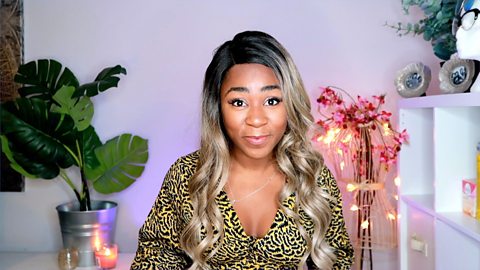
Just say the word!
Time of the Month, Aunty Flow, Shark Week - why are people so reluctant to say the word ‘period’?
As Euella puts it, “periods are a natural process and are essential to human life itself”, so we should be able to talk about them openly.
Shame around periods also has real-life consequences as it can stop people seeking help when they have medical concerns or are experiencing period poverty.
Many schools and colleges across the UK now have the funding to access free period products. But in order for people to feel comfortable accessing these resources, we all need to start getting more comfortable talking about periods. This video in the series aims to do just that.
Just say the word. video
Young people from across the UK talk about their experiences of shame and embarrassment around periods.

How does it feel?
Even if you have a good idea of what a period is, you may not know how they affect people.
As well as any anticipation or nerves you may be feeling, “people can experience a whole range of emotional and physical changes over the course of the menstrual cycle” Euella explains.
In the weeks leading up to your period, you might notice a sudden acne breakout, or that you feel unusually low or irritated. This is called premenstrual syndrome, more commonly referred to as PMS. You may not get the same symptoms every time, or not get any at all, but if you do remember that it’s all perfectly normal.
Watch this video to find out what some of the other common symptoms are, how to help relieve them, and when you might need to talk to someone about them.
How it feels. video
Young people share their experiences of the effects of the menstrual cycle.
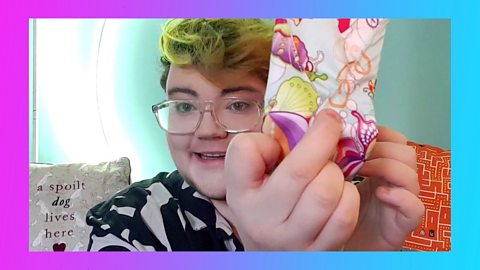

If you need support
You should always tell someone about the things you’re worried about. You can tell a friend, parent, guardian, teacher, or another trusted adult. If you're struggling with your mental health, going to your GP can be a good place to start to find help. Your GP can let you know what support is available to you, suggest different types of treatment and offer regular check-ups to see how you’re doing.
If you’re in need of in-the-moment support you can contact Childline, where you can speak to a counsellor. Their lines are open 24 hours a day, 7 days a week.
There are more links to helpful organisations on the BBC Bitesize Action Line page for young people.
Talking Periods
Find the whole collection here.
How to be kinder to people and why it's good for your wellbeing
How can kindness help our wellbeing?
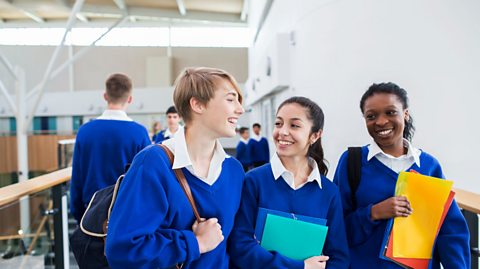
Let's Talk About Periods: A Newsround Special
Take a look at Newsround's special report on periods.