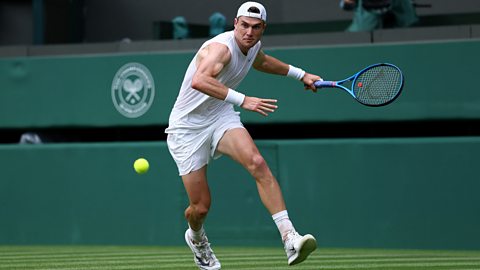
The Wimbledon Championships run between June 30 and July 13 2025, so as tennis fever grips SW19 and fans get their fill of strawberries and cream, get your racquets at the ready, because we're about to serve you some 'ace' wellbeing tips inspired by Wimbledon that we're sure you'll 'love'!
1. Learn to deal with disappointment
British tennis players have had to deal with disappointment at Wimbledon over the years, even Sir Andy Murray lost three semi-finals and a final before he finally lifted the trophy back in 2013. With GCSE and Nationals results day soon coming up, you may too have to handle some disappointment if you don't get all the grades you had hoped for.
Dr Radha gave us some tips on how to deal with disappointment, saying, "with every disappointment comes opportunity. Nothing is ever a 'failure' if it doesn't work out the way we want it to. It is actually an opportunity for things to move and develop in a new an potentially exciting way." If you don't get the grades you were expecting, we have some tips on what your next steps could be, save this page for results day, you can thank us in August!

2. Keep your emotions CALM
Some tennis players have become infamous for their angry outbursts when decisions don't go their way – back in the 1980s legendary player-turned-pundit John McEnroe's shouts of "you can't be serious" made headlines across the world. Things haven't calmed down since then, with Kazakh Yulia Putintseva and Greek Maria Sakkari recently clashing at the net over bad handshake etiquette.
As a teenager, you may find that your emotional reactions to situations feel more intense than they did previously. They may be bigger or more intense because your amygdala, which controls your fight/flight response, can be more reactive during your teenage years, meaning your actions are guided by how you’re feeling than by the rational part of your brain. Our 'My Teenage Brain vodcast series looks at why you might react the way you do and ways you can help stop your emotions getting out of control. If ever you feel yourself getting over-emotional, remember CALM.
C – Control your breathing
This can help to slow down your nervous system and activate calmness within the body.
A – Activity for the heart
Regularly doing activities that increase your heart rate and get you breathing in lots of oxygen can help boost brain health and improve your response to stressful and difficult situations.
L – Lights out!
Sleep is really important. If you’re not getting enough, your amygdala can go into overdrive. This makes it much more difficult for you to control your emotional responses.
M – Mindfulness
Meditation has many benefits. It reduces the activity within the amygdala, which can shift things from chaos to calmness.
3. Get in the groove with a good routine
Tennis players' routines can be all over the place as they fly through different time-zones to play at tournaments around the world. With the summer holidays fast approaching, you too may find it more difficult to keep in a regular routine. Things like sleep and meal times can slip as you don't have school to punctuate your day and keep you on track.
But don't stress! We've got some tips for creating a good daily routine that you might actually stick to! We recommend building something you enjoy into your day – keeping on the tennis theme – you could add exercise into your routine, this should help you feel more energised and more accomplished afterward.

If you need support
You should always tell someone about the things you’re worried about. You can tell a friend, parent, guardian, teacher, or another trusted adult. If you're struggling with your mental health, going to your GP can be a good place to start to find help. Your GP can let you know what support is available to you, suggest different types of treatment and offer regular check-ups to see how you’re doing.
If you’re in need of in-the-moment support you can contact Childline, where you can speak to a counsellor. Their lines are open 24 hours a day, 7 days a week.
There are more links to helpful organisations on the BBC Bitesize Action Line page for young people.
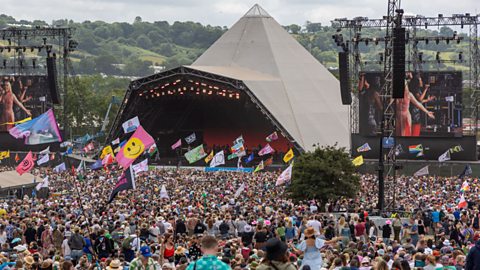
Three Glastonbury 2025 inspired wellbeing tips
Whether you're heading to Glasto, or watching on the TV, our wellbeing tips will help give you a mood boost this summer!
Three tips from Gladiators' Fury to help you build your confidence
Jodie Ounsley, a.k.a. Fury from Gladiators gives her top three tips help you develop confidence.

Five tips for creating a routine you'll stick to
We look at ways you can get into a good routine!