What is Children's Mental Health week?
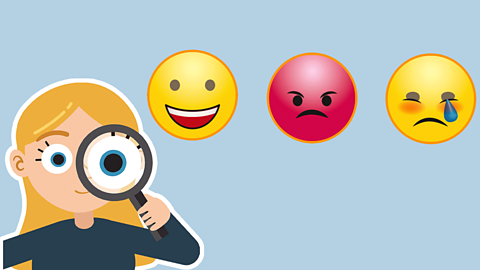
Children's Mental Health Week is a time to learn how to take care of our minds and bodies.
It helps us understand our feelings and how to stay happy and healthy.
It's important to talk about how we feel, ask for help when we need it and do activities that help us feel better.
Watch - What is mental health?
Mental health is how we feel, think and act. Watch this video to learn how to look after our mental health.
Learn about mental health, and what you can do to stay healthy and happy.
Mental health is how we feel, think, and act.
Just like we care for our bodies, we also need to care for our minds.
But how do we stay happy and healthy?
Moving our bodies, eating healthy food, making friends, playing, and enjoying art, sport, and music, are all things that help us to have good mental wellbeing.
Having positive mental wellbeing means feeling good most of the time and recognising when you aren't feeling so good, and what you can do about it.
So what if you're not feeling good?
It is healthy not to feel happy all of the time.
Part of being human is to feel lots of different emotions.
Some feel good but some feel bad.
Everybody feels sad, worried and angry at times.
Most feelings are temporary, they might feel big and upsetting at the time, or they might feel like they will last forever, but all feelings move on.
When we are experiencing feelings that make us unhappy, there are ways to help make us feel calmer, such as breathing exercises, listening to music, drawing or any other activity that makes you feel happy.
We all enjoy doing different things.
Some people may enjoy reading, others might like singing, some might like playing football.
If something is upsetting you, or making you feel worried, talk to an adult that you feel safe with, this could be a parent, teacher or carer.
They will be able to work out what to do to help you feel better or help you feel a little less stressed, anxious or uncomfortable.
If you think that your friend is having difficulties with their mental health, encourage them to talk to an adult who they trust.
It’s important to make sure that an adult is aware when someone is not well physically or mentally so that they can help you to feel better again.
Trying to stay healthy and active and spending time with people we like is the best way to help keep our minds and bodies feeling great each day.
PSHE

You may not always feel happy and calm all of the time. It is normal to sometimes feel sad, stressed or worried.
People experience lots of different feelings and emotions.
There are also many different ways that you can help yourself and others to feel better.
Have a look at the information and activities below to learn more.
Mental wellbeing
If you feel stressed or anxious, speak to a friend, parent, carer or teacher about how you are feeling.
There are also steps you can take to feel calmer such as:
Breathing exercises
Doing a relaxing activity, such as mindful colouring
Spending time in nature
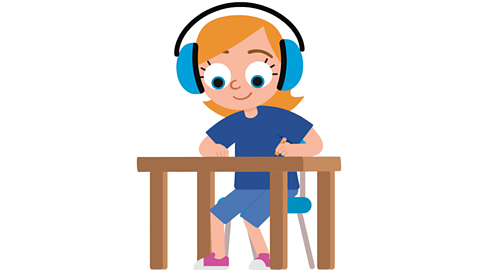
Emotional wellbeing
If you feel low, there are things you can try to help boost your mood. Doing activities you enjoy can make a big difference, such as:
Spending time with friends or family
Listening to music
Singing
Watching a comedy show
Learn more ways to practise mental and emotional wellbeing skills
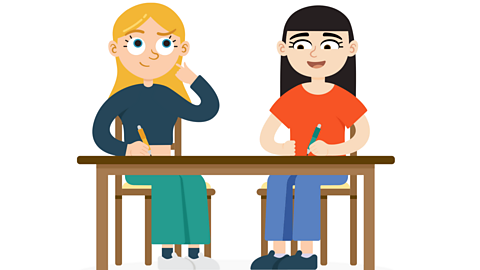
School and friendships
Connecting with others is good for your wellbeing because it helps you feel like you belong. At school, you can make friends with classmates who share your interests. Friends support and encourage each other.
Joining activities, like after-school clubs, is also a great way to meet new people and make friends. Sometimes, nasty comments or bullying can affect confidence and wellbeing, so it’s important to talk to a trusted adult for support if this happens.
Discover more on KS2 PSHE
Take a look at these articles to learn more about keeping your mind and body healthy.

Leaving primary school
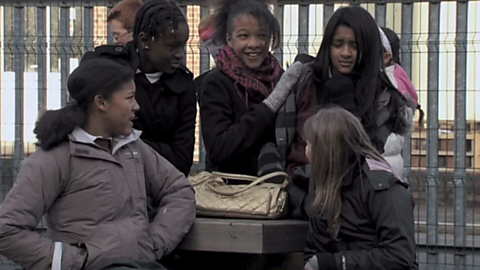
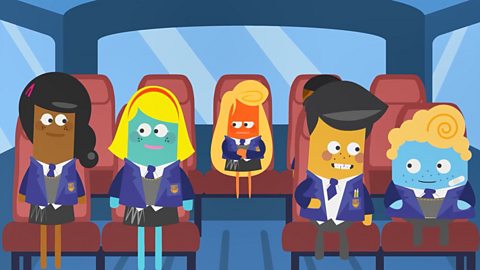
After making friends in primary school, the thought of leaving and moving to secondary school might make you feel a little worried.
Change can be unsettling, but it can also be an exciting chance to meet new people and learn new things.
Learn more ways to cope with leaving primary school
You can find more information about what to expect and what the main differences are between primary and secondary school by following this link:
Transition to secondary school
KS2 PDMU
Coping with exam stress
Some aspects of school can be stressful. For example, doing exams or tests can seem scary at the time.
It's important not to worry too much and to remember to look after yourself.
If you're feeling overwhelmed, talk to friends, family or a trusted adult. They can help you feel more supported.
Activity - Crystal Explorers game
Have a go at this fun English game, the perfect way to prepare for your KS2 SATs.
Crystal Explorers. game
KS2 SATs game
Discover more on KS2 SATs
Have a look at these links to discover some top tips to support you with SATs.
KS1 SATs and KS2 SATs
Bitesize


SATs top tips and advice
Newsround
Art and Design

Everybody feels sad or worried sometimes. This is normal.
Being creative can help you feel more positive.
One way you can be creative is through mindfulness.
Learn more about this with the information and activities below.
Mindful activities
Mindfulness is about focusing on the present moment, instead of worrying about the past or future.
It helps reduce stress and anxiety by encouraging you to pay attention to what's happening right now, rather than what might be worrying you.
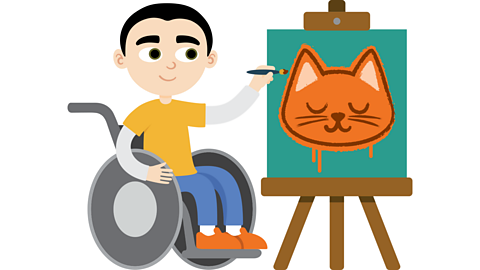
There are lots of mindful activities you can try, such as:
- Yoga
- Tai chi
- Colouring
- Drawing or painting
- Doing a jigsaw puzzle
- Gardening
You could try out different activities to find out which you enjoy most and which helps take your mind off things.
Activity - Mindful colouring
Take some time and create your own Talavera tile with this mindful colouring sheet.
Mindful colouring - a Talavera tile. activity
KS2 Art and Design

Design and Technology
Eating healthily and exercise are good for your body and your mental health.
What you eat can affect your mood and how much energy you have.
Have a look at the information and activities below to learn ways to stay healthy.

Keeping our bodies healthy
Feeling physically healthy can often impact your mental health. It is not just exercise than can help you feel good.
There are other steps you can take to help such as:
Getting enough sleep
Eating healthily
Drinking enough water
Being active
Moving your body can boost your feel-good hormones, which helps you feel more positive. You could try:
Going for a walk
Dancing
Following an exercise video
Playing a team sport
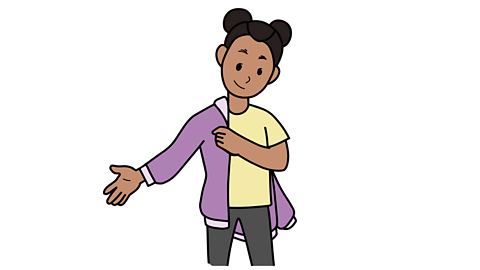
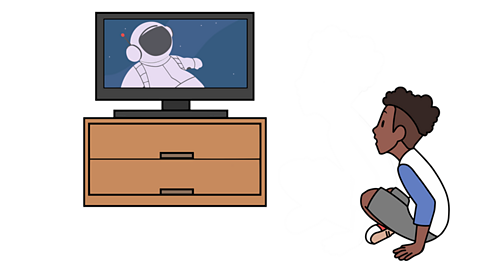
Being active really pays off! Here are some examples of the amount of energy a child in primary school would roughly use doing different activities for 15 minutes.
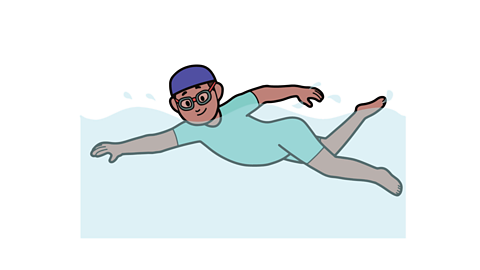
Image caption, Swimming
Swimming uses around 357 kJ.
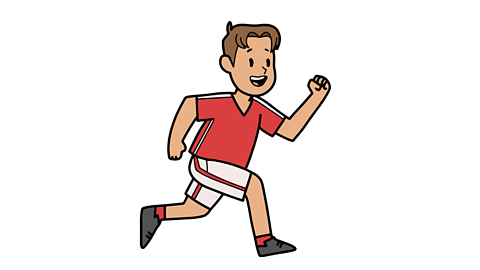
1 of 4
Discover more with Super Movers
Have a look at these videos to keep fit and well, while having fun at the same time!
Super Movers PSHE Collection
Bitesize for Teachers

Family Moodboosters
Bitesize for Teachers

Super Movers for Every Body
Bitesize for Teachers
Discover more on KS2 Design and Technology
Take a look at these articles to learn more ways to stay active and eat healthily.
Cooking and nutrition: What are nutrients?
KS2 Design and Technology

Cooking and nutrition: Why do people need energy?
KS2 Design and Technology

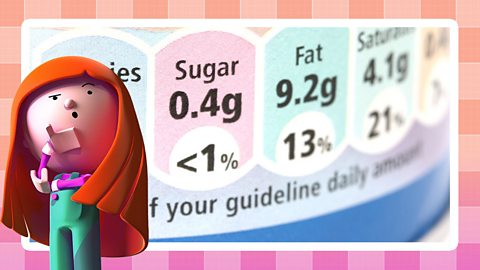
Cooking and nutrition: Understanding food labels
KS2 Design and Technology
More resources from Bitesize for Teachers
You can find many more amazing resources on mental health and wellbeing from Bitesize for teachers.
Growth mindset
Bitesize for Teachers
An exploration of mental health issues
Bitesize for Teachers
Health and wellbeing
BBC Teach (Wales)
More resources from the BBC
You can find many more amazing resources from around the BBC.
Follow the links below for more information on Children's Mental Health Week.
What is anxiety?
Newsround