
Russia-Ukraine Conflict
The Challenges of disinformation and verification in Russia and Ukraine
 How to spot false posts from UkraineRussia's invasion of Ukraine has triggered a wave of falsehoods on social media and the airwaves. In a new Radio 4 podcast series, War on Truth, our specialist reporter follows the stories of people caught up by misinformation - and gives some tips about how to avoid it.
 BBC Newsround: How to spot misleading stories online about Ukraine crisisMedia education created for young people; relevant to everyone. BBC Specialist Disinformation Reporter Marianna Spring has some tips on how to spot what's true and what's false.
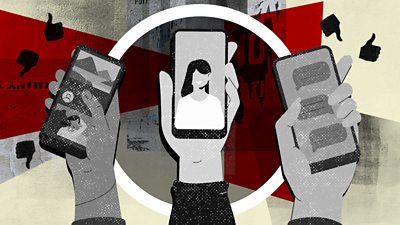 How we verify social media posts from the war in UkraineHow do you tell if a photo or video posted online is real or fake? Specialist reporter Kay Devin demonstrates how the BBC's Disinformation team check and verify content shared online about the war in Ukraine.
Covid-19
Everything you need to know about "fake news" and coronavirus
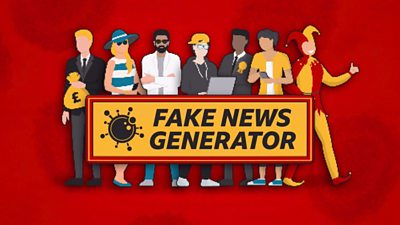 The seven types of people who start and spread viral misinformationConspiracy theories and speculation about coronavirus is rife on social media. But who's behind these rumours?
 Here's how you can stop bad information from going viralCoronavirus misinformation is flooding the internet.
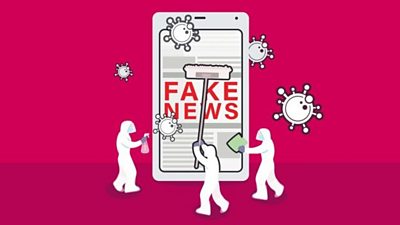 How can you stop the spread of misinformation?Zeinab Badawi explains how we can all slow the spread of harmful falsehoods online.
 How bad information goes viralThere's a huge amount of misleading information circulating online about coronavirus from dodgy health tips to speculation about government plans.
 Misinformation and verificationThe WHO has described the tidal wave of fake coronavirus claims as an 'infodemic’.
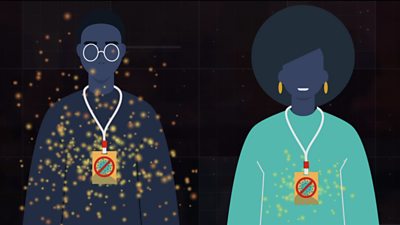 Covid-19 in Africa: Fighting fake news about coronavirusTo combat what the WHO has called an "infodemic" around Covid-19, BBC News Africa has launched a searchable library of fact-checks debunking popular myths and misinformation about coronavirus in Africa.
Tips for avoiding misinformation
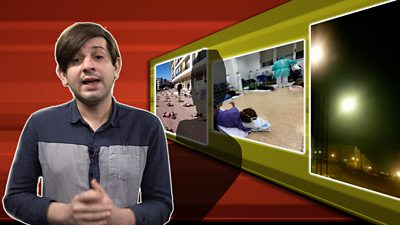 Verification tools: Top tipsMembers of the BBC's anti-disinformation team offer insider tips on how to verify photos and videos online.
 How to spot 'fake news' onlineHow can you be sure that what you're seeing on social media is genuine?
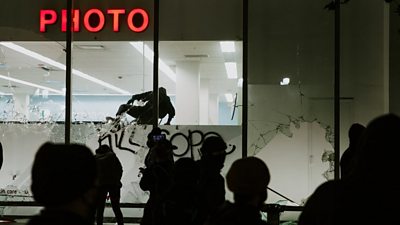 Verification tools: Exposing truths and detecting fakesExperts from Google News Lab and BBC Africa Eye share insights and tips on how to verify content.
 Sorting fact from fiction: Useful tips and toolsJournalist Erica Brown explains the techniques that BBC journalists use to verify content on social media.
 Coronavirus: Verifying facts and challenging misinformationA webinar with experts from BBC Monitoring, BBC Reality Check and BBC Trending on how to tackle viral misinformation.
 Fighting fake newsFrom propaganda to hoaxes, ‘fake news’ has become a catch-all term for a range of false or misleading information spread online. How should journalists respond?
 How you can fight 'fake news'World Service cyber reporter and fake news expert Joe Tidy discusses the perils of misinformation and how colleagues can educate themselves.
Media education created for young people; relevant to everyone
 BBC iReporterPlay the role of a journalist covering a breaking news story in the BBC iReporter game.
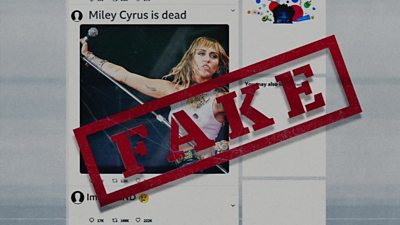 BBC My World Media Education YouTube playlistWith so much talk of fake news, why is it important to have real, trustworthy news sources?
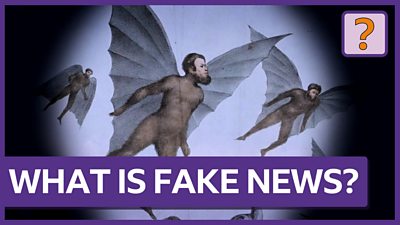 BBC Bitesize: Fact or fakeThe lowdown on different types of fake news, who is behind it and why it helps to take a moment to pause before we post.
 Young Reporter: Beyond Fake News sectionThe most trusted news sources are accurate and impartial. This means that they always fact-check their stories and verify their sources before publishing.
Media education created for audiences around the world
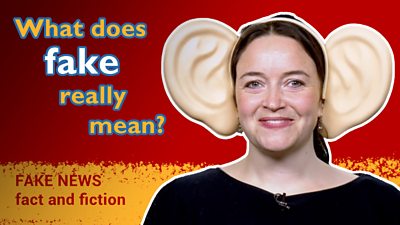 Learning English playlist - Fake News: Fact and FictionEverybody knows the expression 'fake news', but what does it really mean? In this series, we break down the language around this topic and give tips to help you protect yourself from misinformation.
 BBC Burmese Young Reporter videosThese Burmese language videos address the challenges of misinformation in the region.
 BBC Africa Young Reporter videosThese three Young Reporter films explain what fake news is, how to recognise it and who you can trust in the world of media. These were made especially for schools in Kenya and Nigeria.
 What is fake news? (Hindi)What are the motives behind generating fake news?
 What and who to trust? (Hindi)What are some of the signs to not trust a person or organisation sending you information?
 Identifying fake news (Hindi)How to identify fake news and do some quick checks before sharing news and information.
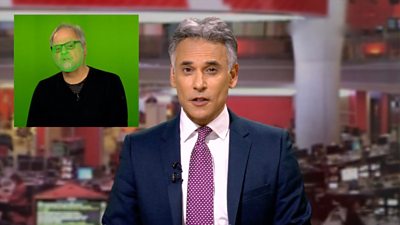 Manipulating language and video (Brasil)Discover how deepfake manipulation works in different languages.
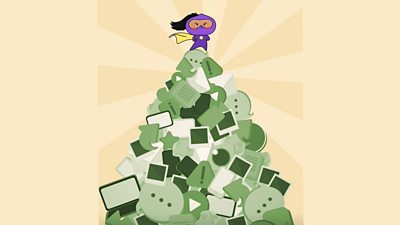 Fighting misinformation in IndiaA super hero gives top tips to avoid sharing misinformation on WhatsApp to Indian language audiences.
Latest BBC news about misinformation
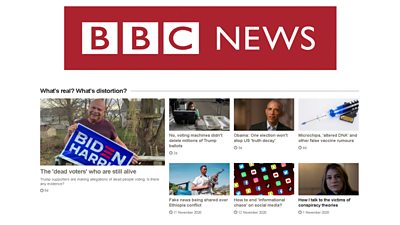 Fake newsWhat’s real? What’s distortion?
BBC initiatives around the world
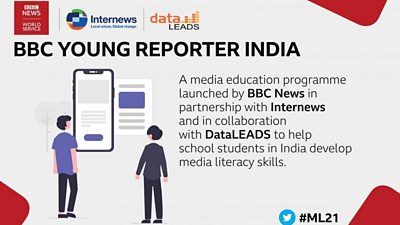 BBC Young Reporter IndiaA media education programme for school students in India launched by BBC News in partnership with Internews and in collaboration with DataLEADS.
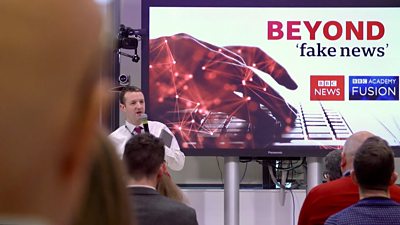 Beyond 'fake news' 2020: Conference highlightsAn overview of the Beyond 'fake news' and BBC Academy Fusion event held at the Media Cafe, NBH on 4 February 2020.
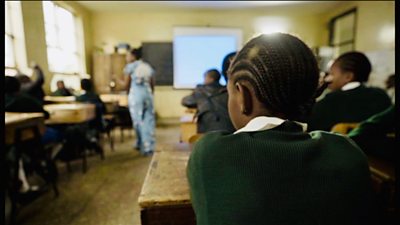 BBC Africa: Kenya and NigeriaKenya and Nigeria have been targeted by purveyors of damaging disinformation during elections and hazardous health hoaxes are commonplace.
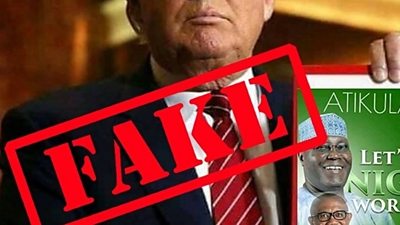 Debunking fake news in NigeriaThe BBC hosted a Beyond Fake News summit in the capital Abuja to examine ways of combating the threat of misinformation to democracy and health ahead of the last Nigerian elections.
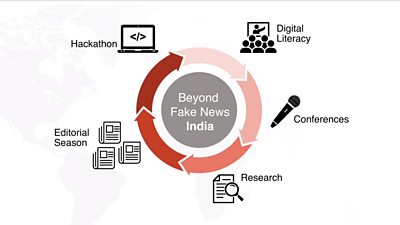 Beyond fake news: Indian languages projectVideos depicting false images of child kidnappings went viral across India from 2017 and 2018. So how did the BBC respond?
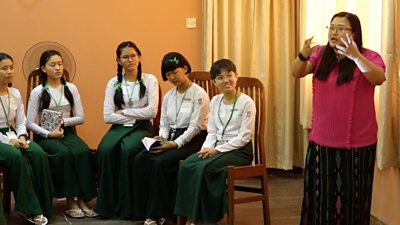 BBC Burmese: Young Reporter workshops in MyanmarHere you can see a BBC Young Reporter workshop in a secondary school in Yangon, Myanmar, exploring the issue of “fake news” in Burmese.
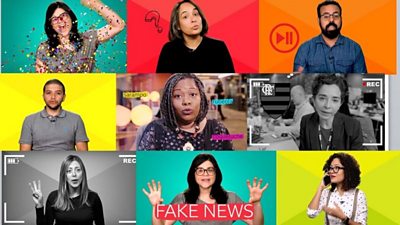 BBC Brasil: Critical news reading workshop (Portuguese)BBC Brasil hosted a major conference and piloted Portuguese versions of BBC Young Reporter workshops in schools. They created original content explaining how to avoid sharing false or manipulated content.
In depth
 BBC MonitoringA specialist service within BBC News that enables organisations to understand the world through its media.
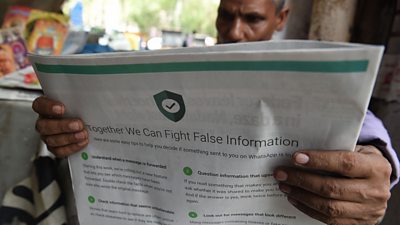 BBC Monitoring: What measures are governments taking on fake news?A number of governments have adopted measures ranging from legislative and legal action to media literacy and public awareness campaigns in efforts to fight the spread of disinformation.
 BBC research shows nationalism is driving the spread of fake newsExtensive BBC research project carried out in India, Kenya, and Nigeria shows nationalism is driving the spread of fake news.
 BBC Ideas: Truth, trust and 'fake news'Disinformation, 'fake news', trolling - sometimes it's hard to tell what's real any more.
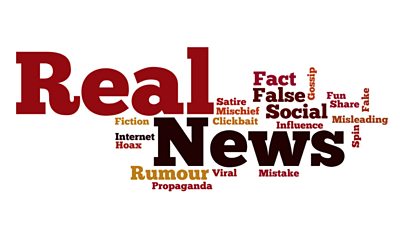 The world of misinformation and fake news is full of confusing vocabularyThe BBC has put together some widely-used definitions that will help you understand the differences between various forms of misleading information, with descriptions of how this content is spread, and the type of people who do it.
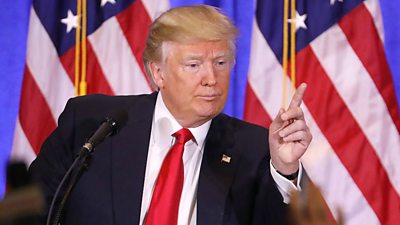 How President Trump took 'fake news' into the mainstreamWhat began as a way to describe misinformation was quickly diverted into a propaganda tool.
New technology for fighting misinformation
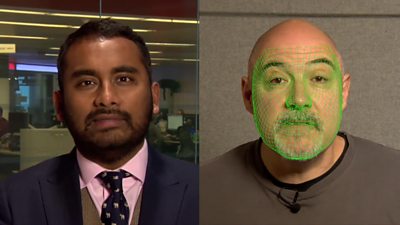 The face-mapping technology raising fears about fake newsThis facial mapping technology has been designed to improve television language dubbing, but it also has strong potential for those seeking to deceive.
 Project Origin: Securing trust in a complex media landscapeIn an age when we often wonder if we can believe what we see, how can we help our audiences ensure the content they consume is trustworthy?
 CBBC - Fake news: The computers fighting fakesComputers are taking on the fight against 'fake news' by learning to detect fake videos... even if they are really believable.
 How do I spot fake news? AI DetectionTo combat Artificial Intelligence and Machine Learning in Fake News, we are now going to need some "good" AI & ML tools developed specifically to detect the "bad" ones, which will augment our existing approaches (Research, Authentication & Literacy)
