Last November I had the privilege of giving a speech in Leeds in which I set out my priorities as BBC Chair.
It was called “A Very British Success Story”, but I was referring to much more than simply the BBC. I was talking about the UK public service broadcasters collectively, and their critical role in underpinning the UK’s creative and cultural strength.
Too often the debate around the BBC is viewed as being separate from conversations about the UK’s wider media sector. In fact the BBC’s future is inextricably linked with the future of the creative industries as a whole.
I believe this is a moment of real jeopardy for the sector. The fight is on, and it is vital we now think very carefully about the kind of media environment we want for the UK.
Much of the focus of my speech was therefore on what the Government, the regulator and industry as a whole need to do to future proof the UK’s creative success.
I called for specific action such as securing significant prominence for public service broadcasters (PSBs) on every platform in the streaming age, and a more forward-looking regulatory environment that will allow PSBs to move with greater agility and speed.
I also made the case for protecting the grassroots of our industry by making sure that the streamers and tech platforms support the whole of the sector, and invest in the pipeline of UK talent in the same way that our PSBs have done for decades.
This is the context in which the wider debate around the BBC should be seen, and I will continue to work across the industry to follow up on these calls.
The BBC’s future is inextricably linked with the future of the creative industries as a whole and the kind of media environment we want for the UK.
When it comes to my priorities for the BBC itself, I have set out three main aims for my time as Chair.
The first is to accelerate the organisation’s shift out of London.
As this report shows, we have come a long way with our Across the UK programme. But we have much further to go to make sure audiences truly feel that the BBC is connected to their community. I have a strong personal commitment to seeing this happen.
Second is to secure a new Royal Charter beyond 2027 that safeguards the BBC as a universal public service for the long term.
This is a critical period for the BBC’s future, with the process of renewing our Charter now well underway. We continue to have productive discussions with the Government as well as our stakeholders and partners.
But one of the first responsibilities of the Board is to increase the BBC’s accountability to our audiences, so we need to make sure the Charter debate is dominated by a deep understanding of their needs and views.
That is why the Board was pleased to see the BBC launch its biggest-ever public engagement exercise in March, asking BBC account holders across the UK what they want from the BBC now and in the future.
It is part of a much wider programme of audience research and polling that the BBC will conduct over the course of the year ahead, and the Board looks forward to being kept updated on its findings.
Another core responsibility of the Board is to uphold the independence of the BBC. I believe nothing is more important to the BBC’s ability to serve all audiences. We therefore need to make sure it is strengthened, not weakened, in all decisions around the BBC’s future and funding.
That brings me to my third aim, which is to find the best future funding model for the BBC.
I have already set out some views on this and the Board will be saying more over the coming months. But all of us are clear that we want to make sure we protect the BBC as a universal service and help it not just to survive, but thrive, for a generation and more.
Of course, beyond the long-term strategic priorities that the Board has been occupied with this year, we have also had to deal with some very significant challenges.
In October I announced that the Board had commissioned an independent review into the BBC’s workplace culture. This was in the wake of the profoundly shocking revelations about Huw Edwards as well as several further cases of inappropriate behaviours and abuses of power.
The report was published in April. The first thing to say is that the BBC is a wonderful place to work. Our staff are dedicated, hard- working and treat each other with respect. However, there are pockets in the organisation where this is not the case. There are still places where powerful individuals – on and off-screen – can abuse that power to make life for their colleagues unbearable.
The report emphasised the importance of acting with speed, to be bolder and braver in our actions, and to dial up our risk appetite in taking visible steps to stamp out unacceptable and inappropriate behaviours. I am pleased that the BBC accepted the findings of the report in full and responded with a comprehensive set of actions to meet this challenge.
Alongside cultural challenges, the BBC has continued to face intense scrutiny around our coverage of the conflict in the Middle East. In particular, the Board has had to respond to the serious flaws that emerged in the making of a documentary about children’s lives in Gaza.
The journalistic impulse to tell such a story was a good one, but trust for our audiences is critical to the BBC. And the Gaza film undermined that trust. That is why we, as a Board, acted quickly to demand answers from the Executive. A full review is expected to be published in the summer of 2025 and I will ensure that the Board is fully briefed on the findings and actions to be taken as a result
Beyond these issues, I am very proud of how the BBC and its teams have served the public over the course of this year.
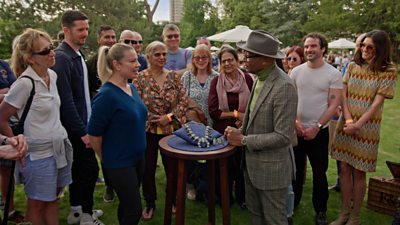
This Annual Report highlights a record of delivering outstanding content and services that are loved and valued by UK audiences – from General Election results coverage that saw more than eight in ten adults come to the BBC, to a summer of sport coverage which brought 74% of the population to BBC TV, to the Gavin & Stacey finale which brought together more than 20 million viewers.
I would like to pay tribute to the work of Sir Nicholas Serota who recently stood down from the Board after many years of exceptional service. His knowledge, commitment and wise counsel will leave a lasting contribution to the BBC.
More widely I would like to thank all the BBC teams who have worked tirelessly on behalf of our audiences this year. Since becoming Chair I have been delighted to meet so many talented people who are truly dedicated to the BBC.
After one year in post, I am more convinced than ever about the importance of the BBC’s mission in today’s world, and more confident than ever about the role we can continue to play at the heart of the UK’s national life.
Dr Samir Shah CBE, BBC Chair
27 June 2025
More from the BBC Annual Report 2024/25
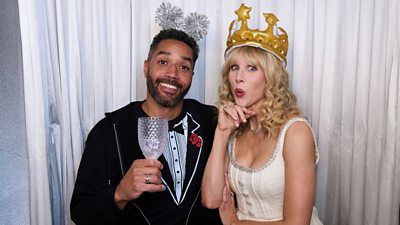
Our Audiences
The BBC’s relationship with audiences: how we’re used and perceived by the people of the UK; how we have performed against our targets for the year; and how we engage directly with audiences
Chief Operating Officer’s review and operational report
This section looks in detail at how the BBC operates: our finances; how we recruit, develop and retain the best people; and how we prioritise environmental sustainability
BBC Commercial Chief Executive Officer’s review and commercial operations
This section sets out key milestones for the BBC's commercial operations during the financial year, its performance against the BBC’s strategic goals, key content highlights in the UK and around the world, and the outlook for the year ahead.
Governance
This section looks in detail at the role of the BBC Board and includes reports from the Board’s delegated sub-committees. The section also includes detail on our overall approach to corporate governance, our regulatory position and affirmation of the Board’s duties in relation to the Annual Report.
Financial Statements
This report sets out the BBC’s financial statements for the year ending 31 March 2025