|
 |
 | | | | | | |||||||||||||||||||||||||||||||||||||||||||||||||||||||||||||||||||||||||||||||||||||
| | | You are in: UK: Scotland | |||||||||||||||||||||||||||||||||||||||||||||||||||||||||||||||||||||||||||||||||||||||
|
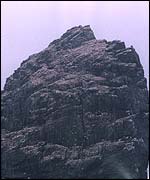
| | Friday, 7 February, 2003, 11:34 GMT Islands bid to join heritage elite  The island was awarded World Heritage Status in 1986 The remote Scottish islands of St Kilda are set to join elite sites around the world including Australia's Ayers Rock if an application by the Scottish Executive is successful. The archipelago, which lies 45 miles off Benbecula in the Western Isles, is already listed by Unesco as a World Heritage site, because of the important sea bird colonies that breed there. But a bid process which began officially on Friday should see it given a second listing, to recognise its unique marine environment and cultural importance. There are just 23 places in the world with joint listings for natural and cultural heritage.
These include such places as Ayers Rock in Australia, Mount Athos in Greece and the ancient Inca sanctuary of Machu Picchu in Peru. It will take about 18 months for Unesco (United Nations Educational, Scientific and Cultural Organisation) to rule on the bid. Writing in the bid document, First Minister Jack McConnell described St Kilda as representing isolated communities the world over. He said: "Few who have been to St Kilda and stood in the village surrounded by the cries of a million sea-birds can fail to have been moved by the place and its story. Nesting birds "This tiny Hebridean archipelago is a place of drama, a place apart. Its inaccessibility amplifies its remoteness, creating a perception of being at the edge of the world." The islands were made a natural world heritage site in 1986 because of the bird and plantlife they support. The main island, Hirta, once supported Britain's most remote community, with the inhabitants surviving for centuries on the seabird population, subsistence agriculture and eating dishes such as baked puffin. They harvested nesting birds and their eggs by scaling the 1,400ft cliffs. By the 1920s the population had fallen from 200 to 36, and this decline, along with poverty and severe weather, led to them abandoning their homes in August 1930 and moving to the mainland. Despite its reputation as a harsh environment, surveys have uncovered evidence that suggests St Kilda was inhabited as early as 3,000BC. Due to its inaccessibility, only about 1,500 people a year make the sea voyage to St Kilda, with many of these taking part in working holidays as part of the trust's conservation volunteer programme. | | See also:  18 Jul 02 | Scotland 31 Jan 01 | Scotland 29 Oct 00 | Scotland 19 Oct 00 | Scotland 16 Oct 00 | Scotland Internet links: The BBC is not responsible for the content of external internet sites Top Scotland stories now: Links to more Scotland stories are at the foot of the page. | |||||||||||||||||||||||||||||||||||||||||||||||||||||||||||||||||||||||||||||||||||||
 | |
|  E-mail this story to a friend E-mail this story to a friend |
| |
| Links to more Scotland stories |
| | | ||
 | ||||
 | | Back to top
| ||
| ---------------------------------------------------------------------------------- To BBC Sport>> | To BBC Weather>> | To BBC World Service>> ---------------------------------------------------------------------------------- © MMIII | News Sources | Privacy |