|
 |
 | | | | | | ||||||||||||||||||||||||||||||||||||||||||||||||||||||||||||||||||||||||||||||||||||||||||||||||||||||||||||||||||||||
| | | You are in: UK: Scotland | ||||||||||||||||||||||||||||||||||||||||||||||||||||||||||||||||||||||||||||||||||||||||||||||||||||||||||||||||||||||||
|
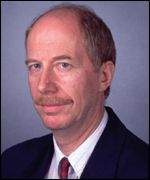
| | Friday, 17 January, 2003, 11:10 GMT Minister intervenes in Hep C row  Contaminated blood products infected hundreds Scotland's health minister is writing to NHS chief executives to order them to provide haemophiliacs with access to their medical records. Malcolm Chisholm's move comes after BBC Scotland revealed that hospitals across the UK were denying haemophiliac patients such access. Two hundred haemophiliacs are suing the US drug companies who supplied the NHS with contaminated blood products in the 1970s and 1980s. But they have been told their records are missing, unavailable or cannot be given to them. The Scottish Parliament's health committee has pledged to investigate the claims.
Hepatitis C is a virus which attacks the liver and it is most common in Scotland amongst drug users who have shared needles. It can also be sexually transmitted. But more than 500 people were given the virus accidentally by the National Health Service in Scotland before 1988. Denis Whaley, the solicitor representing the haemophiliacs, said hospitals were jeopardising their cases. He said: "I think without exception that every client that I have got has had great difficulty in getting their records from the NHS authorities. Screening blood "Incomplete, lost or missing records and all sorts of excuses. Some doctors have even told clients that they're not entitled to access their records which is quite unbelievable." So far, the Scottish Executive has refused to offer compensation, on the grounds that an effective method of screening blood was not available before 1991. Andrew Gunn, a haemophiliac infected by blood products manufactured by a US company, said he intended to sue when he was given access to his medical records. He said: "There are a few hospitals like Raigmore and Yorkhill Hospitals and combined there's 18 years missing from the batch records of the products I received.
Yorkhill Hospital said it had handed over everything it had on Mr Gunn. But he insisted he was only given what amounted to three years' notes, despite being treated there for nine years. Raigmore Hospital in Inverness said it intended to give Mr Gunn his medical records immediately. Margaret Smith, the convenor of the health committee, pledged to investigate the claims. 'Very concerned' She said: "What this gives weight to is the suggestion that there may have been some fault there." Members of the health committee would be very concerned about this development, she added. "We will have the health minister in front of us at the end of this month to answer questions about what he is actually going to do." The Haemophilia Scottish Group's Forum said the health minister should issue a directive to health authorities to solve the problem. The forum's Bill Wright said there should be "no obfuscation and no obstruction" in giving patients access to their notes. 'Woke up' Phil Boyd, the UK's Assistant Information Commissioner, who helps the government draw up guidelines for access to information, said there were "no optional standards" of patient service. He said: "There's an obligation on the authorities to keep proper records and to make sure they're kept secure. "It's really about time the health service woke up to this and started addressing some of these problems in their record keeping." An expert group in November called for financial and other practical support for victims. It recommended that the executive set up a fund to make payments and look at ways of developing support services. The first cases against US drug companies are expected to begin within the next two weeks. | |
See also:  17 Jan 03 | Scotland 06 Nov 02 | Scotland 19 Nov 02 | Scotland 04 Nov 02 | Health 10 Jan 02 | Scotland 11 Dec 01 | Scotland 02 Oct 01 | Scotland Internet links: The BBC is not responsible for the content of external internet sites Top Scotland stories now: Links to more Scotland stories are at the foot of the page. | ||||||||||||||||||||||||||||||||||||||||||||||||||||||||||||||||||||||||||||||||||||||||||||||||||||||||||||||||||||||
 | |
|  E-mail this story to a friend E-mail this story to a friend |
| |
| Links to more Scotland stories |
| | | ||
 | ||||
 | | Back to top
| ||
| ---------------------------------------------------------------------------------- To BBC Sport>> | To BBC Weather>> | To BBC World Service>> ---------------------------------------------------------------------------------- © MMIII | News Sources | Privacy |




 Every client that I have got has had great difficulty in getting their records from the NHS authorities