|
 |
 | | | | | | |||||||||||||||||||||||||||||||||||||||||||||||||||||||||||||||||||||||||||||||||||||||||||||||||||||||||||||||||||||||||||
| | | You are in: UK: Scotland | |||||||||||||||||||||||||||||||||||||||||||||||||||||||||||||||||||||||||||||||||||||||||||||||||||||||||||||||||||||||||||||
|
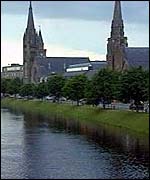
| | Thursday, 9 January, 2003, 11:32 GMT Cities share �110m investment  Glasgow will receive almost �60m over three years Glasgow is to receive more than half of �110m of government money earmarked for Scotland's cities. The funding was announced as First Minister Jack McConnell unveiled "a new direction and a new status" for the country's six cities. He said he wanted them to work with their neighbours to draw up a vision for the future.
A �90m city growth fund has been established to provide assistance for economic and social developments over the next three years. Glasgow has been allocated �40m from the fund, along with an additional �16m to restore vacant and derelict land in the city and the North Lanarkshire area. Edinburgh City Council will receive �24.2m from the growth fund, with �11.5m going to Aberdeen, �9.3m to Dundee, �3.1m to Inverness and �1.9m to Stirling. Dundee will receive an additional �4m to tackle the problem of derelict buildings and brownfield sites in the city. Social life Mr McConnell said: "Our cities are central to Scotland's economic growth and dynamism, but they are not islands on their own. "They are the fundamental building blocks of our country's future prosperity as well as our cultural and social well-being. "And they are at the centre of the regional economy and social life."
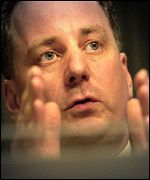
"We want each city to work with the public and private sectors, and with their neighbours," he said. "Together they can create a flexible and effective partnership to ensure that their region prospers and that every citizen, whether they live in the city centre or surrounding towns and countryside, benefits from all the opportunities each city has to offer. "I want each city and its partners to draw up a vision for their future - a vision which will be underpinned by investment from the government, and will be backed by national agencies." Scotland's cities will also be able to keep cash raised from new businesses which start up in deprived areas. At present, all business revenue is collected centrally and redistributed. Economic problems However, the pilot scheme falls short of demands for cities to retain much more of their business revenue. The booming economy but shrinking population in Glasgow means that it contributes �83m a year more to the common business rates pool than it receives back. It argued that it should be allowed to keep that money to address the many social and economic problems which affect the city. Dundee had called for the review to address its falling population through an enlarged boundary, an idea which also found support in Glasgow.
Linda Fabiani MSP, the Scottish National Party's urban regeneration spokeswoman, said: "This plan has taken two years to develop, but will do little to tackle the real problems of our cities. "Instead of changing anything, its just a wee bit more cash for roads, galleries and leisure centres." Tory local government spokesman Keith Harding MSP said councils should be free to spend the cash without having to seek executive approval. He said: "This has nothing to do with devolution of power to local authorities, and all to do with the control freakery of the Scottish government. | |
See also:  30 Oct 02 | Scotland 17 Sep 02 | Scotland 18 Feb 02 | Scotland Internet links: The BBC is not responsible for the content of external internet sites Top Scotland stories now: Links to more Scotland stories are at the foot of the page. | |||||||||||||||||||||||||||||||||||||||||||||||||||||||||||||||||||||||||||||||||||||||||||||||||||||||||||||||||||||||||||
 | |
|  E-mail this story to a friend E-mail this story to a friend |
| |
| Links to more Scotland stories |
| | | ||
 | ||||
 | | Back to top
| ||
| ---------------------------------------------------------------------------------- To BBC Sport>> | To BBC Weather>> | To BBC World Service>> ---------------------------------------------------------------------------------- © MMIII | News Sources | Privacy |




 We want each city to work with the public and private sectors, and with their neighbours