|
 |
 | | | | | | |||||||||||||||||||||||||||||||||||||||||||||||||||||||||||||||||||||||||||||||||||||||||||||||||||||||||||||||||||||||
| | | You are in: UK: Scotland | |||||||||||||||||||||||||||||||||||||||||||||||||||||||||||||||||||||||||||||||||||||||||||||||||||||||||||||||||||||||||
|
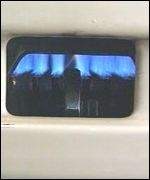
| | Thursday, 5 December, 2002, 06:48 GMT Menace of 'silent killer' in winter  Gas fires should be checked for leaks A warning has been issued to Scottish householders over the increasing risk of carbon monoxide poisoning during the winter. People are being urged to check gas appliances for signs of a problem. Dubbed the "silent killer", carbon monoxide poisoning kills up to 50 people a year in the UK. The gas is invisible, has no taste and smell and symptoms can be confused with those of flu.
Tom Laidlaw, director of Scottish Gas, said: "Under normal circumstances gas is a safe and reliable fuel, so to see so many children die unnecessary as a result of faulty or poorly maintained gas appliances is tragic. "This death toll could have been avoided or considerably reduced if gas appliances were regularly checked and maintained for safety and performance by a Corgi-registered engineer." Scotland's chief medical officer Dr Mac Armstrong said it was vital the public realised the dangers of faulty appliances. He said: "The early symptoms of carbon monoxide poisoning can resemble those for colds and flu, so it is likely that occurrences in Scotland are being under-reported and under-diagnosed. "Continuing or higher level exposure can, however, result in lasting neurological damage or death. Poisonous gas "Children, pregnant woman and their babies, older people and those with cardiovascular disease are particularly vulnerable." Barry Watkinson, the Health and Safety Executive's head of gas and transport safety division, said gas appliances should have an adequate supply of fresh air and an unobstructed chimney or flue to operate safely. "Too little air can lead to dangerous quantities of the highly poisonous gas carbon monoxide being emitted," he said.
Gas appliances such as fires, water heaters and boilers can be affected. Warning signs of a potential problem include sooty stains around the appliance, a yellow or orange flame when it should be blue, and an odd smell when the appliance is on. If an appliance is leaking carbon monoxide, it is usually because it has been installed or maintained inadequately. Appliances should never be covered, and flues, airways and ventilation should not be blocked. | |
See also:  14 Dec 00 | Health 12 Jan 00 | Scotland 29 Nov 98 | UK 26 Nov 97 | UK Internet links: The BBC is not responsible for the content of external internet sites Top Scotland stories now: Links to more Scotland stories are at the foot of the page. | |||||||||||||||||||||||||||||||||||||||||||||||||||||||||||||||||||||||||||||||||||||||||||||||||||||||||||||||||||||||
| |
|  E-mail this story to a friend E-mail this story to a friend |
| |
| Links to more Scotland stories |
| | | ||
 | ||||
 | | Back to top
| ||
| ---------------------------------------------------------------------------------- To BBC Sport>> | To BBC Weather>> | To BBC World Service>> ---------------------------------------------------------------------------------- © MMIII | News Sources | Privacy |