|
 |
 | | | | | | ||||||||||||||||||||||||||||||||||||||||||||||||||||||||||||||||||||||||||||||||||||||||||||||||||||||||||||||||||||||
| | | You are in: UK: Scotland | ||||||||||||||||||||||||||||||||||||||||||||||||||||||||||||||||||||||||||||||||||||||||||||||||||||||||||||||||||||||||
|
| | Monday, 2 September, 2002, 11:03 GMT 12:03 UK Longer waits for casualty patients 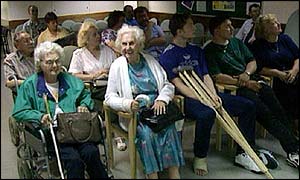 Politicians are at odds over the times Waiting times at Scotland's accident and emergency units for some of the highest priority patients continue to remain high, according to figures. NHS Scotland statistics for waits experienced by patients on trolleys showed that half took at least half an hour to see a doctor, compared to an average 20-minute wait three years ago. The statistics also showed that emergency treatment was taking longer to complete for 90% of trolley patients, with the average time increasing by 22 minutes to one hour and 45 minutes. The Scottish Executive said the longer waiting times were due to accident and emergency wards having to cope with a 20% rise in patient numbers and stressed that steps were being taken to cope with the situation.
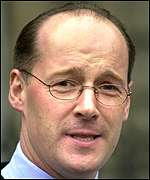
However, Scottish National Party leader John Swinney said the executive was failing to meet patients' expectations. The figures, published last week, showed nine out of 10 trolley cases were "triaged" within 15 minutes in both 1999 and 2002. However, one in 10 walking wounded cases had to wait 27 minutes or longer, compared to a 19-minute wait three years ago. The average figure for waiting to see a doctor increased by 38% to 40 minutes for walking wounded cases, while the time to complete emergency surgery also rose by 33% to a median one hour 24 minutes. Emergency surgery One in 10 trolley cases waited more than three hours 49 minutes for their emergency surgery to be completed, an increase of 42 minutes on 1999 figures. An executive spokesman said patient admissions had risen from just over 20,000 to more than 24,300 during the three-year period but the new 24-hour NHS helpline would help to address this. He said: "As it is rolled out across Scotland, NHS 24 will provide a better system of triage and help reduce the number of people who go to A&E when it is not necessarily appropriate.
"The performance of NHS Scotland staff in seeing and treating ever-increasing numbers of patients quickly is worthy of praise." Faculty President of A&E Medicine, Ian Anderson, said the current situation was hardly a surprise. He said not enough young men and women were coming through medical training schemes to cope with the increasing health demands of an elderly population. Mr Swinney said: "This executive has failed, even with a substantial sum of money, to dramatically improve the experience for patients within the health service. "Not only have they failed to improve it, it's actually got much worse. "It's come from an executive, that on every indicator, whether it's waiting lists or waiting times, has singularly failed to deliver for the people of Scotland." | |
See also:  29 Aug 02 | Scotland 27 Aug 02 | Scotland 25 Jun 02 | Scotland 30 May 02 | Scotland 15 May 02 | Scotland 10 Apr 02 | Health Internet links: The BBC is not responsible for the content of external internet sites Top Scotland stories now: Links to more Scotland stories are at the foot of the page. | ||||||||||||||||||||||||||||||||||||||||||||||||||||||||||||||||||||||||||||||||||||||||||||||||||||||||||||||||||||||
| |
|  E-mail this story to a friend E-mail this story to a friend |
| |
| Links to more Scotland stories |
| | | ||
 | ||||
 | | Back to top
| ||
| ---------------------------------------------------------------------------------- To BBC Sport>> | To BBC Weather>> | To BBC World Service>> ---------------------------------------------------------------------------------- © MMIII | News Sources | Privacy |