|
 |
 | | | | | | |||||||||||||||||||||||||||||||||||||||||||||||||||||||||||||||||||||||||||||||||||||||||||||||||||||||||||||||||||||||||||||||||||
| | | You are in: UK: Scotland | |||||||||||||||||||||||||||||||||||||||||||||||||||||||||||||||||||||||||||||||||||||||||||||||||||||||||||||||||||||||||||||||||||||
|
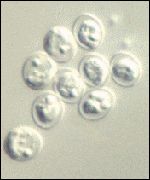
| | Sunday, 4 August, 2002, 15:55 GMT 16:55 UK Experts 'vigilant' after tap water alert  No illnesses have been reported Health experts say they are "encouraged" that no illnesses have been linked to the contamination of water supplies in Glasgow. About 140,000 people in the city are being advised to boil tap water following the discovery of the parasite cryptosporidium. It was found in water from the Mugdock Reservoir in Milngavie, East Dunbartonshire - one of the city's main sources of supply.
Scottish Water said it was working "round the clock" to introduce alternative mains supplies for those areas. An incident team set up to deal with the incident met on Sunday. It is continually reviewing the results of water tests so that the warning for householders to boil water can be lifted as soon as possible. Scottish Water is asking those affected to boil water being used for drinking, preparing food, brushing teeth and bathing babies. Precautionary measure However, it said it was safe to use for washing clothes and dishes and for bathing adults. The incident team's chairman, Dr Jim McMenamin, said this recommendation was a precautionary measure. "I am encouraged that we have not seen any cases of diarrhoea attributable to this incident," he said. "We are, however, remaining vigilant."
Meanwhile, shoppers in the city have been clearing supermarket shelves of bottled water, with one large store selling out in less than two hours. Officials said the parasite, which can cause diarrhoea, was discovered during routine testing of water supplies. John Rae of Scottish Water said the parasite had probably been washed off the surrounding hills during last week's torrential downpours.
"That in turn makes its way to our treatment works," he said. "The key issue is that we have a treatment works which is unable to treat this particular inundation that is coming through. The key issue here is investment." That view was echoed by Tim Hooton, the drinking water quality regulator for Scotland. He said: "This incident reinforces the urgent need for a new water treatment works for the city of Glasgow." Accidental swallowing Mr Rae added that a �100m investment was planned in a new plant, which should be up and running by the end of 2005. Cryptosporidium can live in the intestines of humans and animals and is passed in the stool of an infected person or animal. Infection can follow accidental swallowing of the parasite, which is resistant to chlorine disinfection.
For most people the symptoms normally only last a few days. However, a spokesman for Greater Glasgow NHS Board said: "We are particularly concerned about the elderly and those with illnesses affecting their immune systems." People living in the affected areas who experience symptoms have been told to seek medical advice. Scottish Water has set up a helpline on 0845 600 88 55. Anyone concerned about their health should contact NHS Scotland on 0800 22 44 88. | |
See also:  04 Aug 02 | Scotland 04 Aug 02 | Scotland 18 Mar 02 | Scotland 11 Oct 01 | England 18 Apr 00 | UK 03 Nov 98 | Health Internet links: The BBC is not responsible for the content of external internet sites Top Scotland stories now: Links to more Scotland stories are at the foot of the page. | |||||||||||||||||||||||||||||||||||||||||||||||||||||||||||||||||||||||||||||||||||||||||||||||||||||||||||||||||||||||||||||||||||
| |
|  E-mail this story to a friend E-mail this story to a friend |
| |
| Links to more Scotland stories |
| | | ||
 | ||||
 | | Back to top
| ||
| ---------------------------------------------------------------------------------- To BBC Sport>> | To BBC Weather>> | To BBC World Service>> ---------------------------------------------------------------------------------- © MMIII | News Sources | Privacy |