|
 |
 | | | | | | |||||||||||||||||||||||||||||||||||||||||||||||||||||||||||||||||||||||||||||||||||||||||||||||||||||||||||||||||||||
| | | You are in: UK: Scotland | |||||||||||||||||||||||||||||||||||||||||||||||||||||||||||||||||||||||||||||||||||||||||||||||||||||||||||||||||||||||
|
| | Thursday, 1 August, 2002, 18:21 GMT 19:21 UK Ambulance calls graded 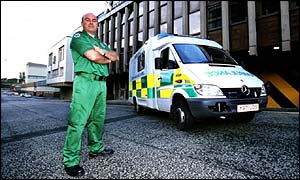 Adrian Lucas: "Ambitious vision" for service A new system for prioritising 999 calls for ambulances has been introduced in Lothian and Borders in the first stage of a Scotland-wide shake-up of the service. From 1 August, 999 calls are being handle on an urgency basis, rather than first-come-first-served. Ambulance officials believe the new system has the potential to save the life of one extra heart attack victim every day. Paramedics will be able to reach an additional 21,000 cases in faster times, they estimate.
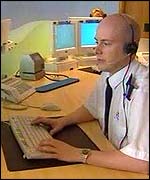
Operators in the control room in Edinburgh are using a new computer system to divide calls into three categories. Casualties with serious and life-threatening conditions will receive top priority and should get an ambulance within eight minutes. Those with serious but non-life-threatening conditions will be put into a second category and receive an ambulance within 14 to 19 minutes. But callers with non-serious conditions will be redirected. On the first day of the new system 87% of calls in the most serious category were answered within eight minutes - well above the 75% target which has been set for the service to attain in two years' time. 'Ambitious vision' The changes across Scotland are costing �22m and are being introduced over two years. There will be 200 more paramedics, three new emergency dispatch centres in Edinburgh, Inverness and Paisley and 30 new non-emergency centres in hospitals. Adrian Lucas, chief executive of the Scottish Ambulance Service, described the plan as "the realisation of an ambitious vision". He said: "We've always made it clear that if in any doubt at all dial 999, we have no difficulty with that. "What patients must understand is that as of today they might not get an ambulance. Serious symptoms "In the past we might have rushed round there irrespective of their condition and their symptoms. "We've gone flat out, probably risking danger to other road users, that won't happen from now on. "It will for those people who have got very serious symptoms that they present to us." It would make the Scottish service the most advanced in the UK, Mr Lucas added. | |
See also:  29 Jul 02 | England 05 Nov 01 | England 12 Sep 00 | Scotland 10 Dec 99 | Wales Internet links: The BBC is not responsible for the content of external internet sites Top Scotland stories now: Links to more Scotland stories are at the foot of the page. | |||||||||||||||||||||||||||||||||||||||||||||||||||||||||||||||||||||||||||||||||||||||||||||||||||||||||||||||||||||
| |
|  E-mail this story to a friend E-mail this story to a friend |
| |
| Links to more Scotland stories |
| | | ||
 | ||||
 | | Back to top
| ||
| ---------------------------------------------------------------------------------- To BBC Sport>> | To BBC Weather>> | To BBC World Service>> ---------------------------------------------------------------------------------- © MMIII | News Sources | Privacy |