|
 |
 | | | | | | ||||||||||||||||||||||||||||||||||||||||||||||||||||||||||||||||||||||||||||||||||||||
| | | You are in: UK: Scotland | ||||||||||||||||||||||||||||||||||||||||||||||||||||||||||||||||||||||||||||||||||||||||
|
| | Tuesday, 30 July, 2002, 09:53 GMT 10:53 UK Studies seek more drug alternatives 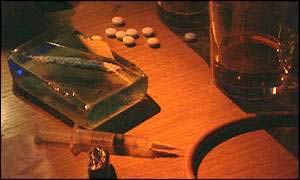 Researchers called for greater flexibility in treatment Doctors should make more use of alternative treatments to wean addicts off drugs, according to two studies by researchers. The reports support the widespread use of methadone to treat those dependent on heroin. But they say that doctors should make more use of counselling and psychological treatments. The studies also identified an interest in prescribing buprenorphine to those with lower levels of opiate dependency.
Deputy Justice Minister Dr Richard Simpson is trying to find the best methods for treating Scotland's estimated 55,000 drug addicts. He commissioned two studies from researchers at Aberdeen University. The first was conducted by a team from the Department of General Practice and Primary Care and the Health Economics Research Unit (HERU), which looked at the international evidence for treating drug dependency. The researchers concluded that methadone was a useful substitute and supported its widespread use across Scotland. Drug workers However, the report also said there could be wider prescribing of buprenorphine for less serious cases. It also said psychological and social counselling should be more widely used. The second study found support for these alternatives among Scotland's GPs and drug workers.
Clinicians were also interested in developing the use of psychological interventions and alternative therapies. Researchers found that there was scope for local prescribing practices to be more flexible to make a greater range of options available. Dr Simpson welcomed the "important" studies. "They provide robust evidence on the role and effectiveness of treatment for opiate users," he said. "I am also pleased to say that they support our current approach to treating opiate users in Scotland. "They also help us to identify ways to further improve treatment programmes." 'Highly addictive' Professor Neil McKeganey, the head of the Drugs Misuse Centre at Glasgow University, agreed that methadone was effective in helping many drug users. However, he stressed: "It is a highly addictive drug. "You can start people on it but you have got to be clear about how you get them off it. "I think that if we have a failing in Scotland it is that we really haven't focussed on how we are going to get people off this drug." Prof McKeganey said there were very few programmes suitable for those addicts who required treatment which did not involve drugs. | | See also:  30 Jun 02 | Scotland 06 Jun 02 | Scotland 24 May 02 | Scotland 14 May 02 | Scotland 19 Mar 02 | Scotland Internet links: The BBC is not responsible for the content of external internet sites Top Scotland stories now: Links to more Scotland stories are at the foot of the page. | ||||||||||||||||||||||||||||||||||||||||||||||||||||||||||||||||||||||||||||||||||||||
| |
|  E-mail this story to a friend E-mail this story to a friend |
| |
| Links to more Scotland stories |
| | | ||
 | ||||
 | | Back to top
| ||
| ---------------------------------------------------------------------------------- To BBC Sport>> | To BBC Weather>> | To BBC World Service>> ---------------------------------------------------------------------------------- © MMIII | News Sources | Privacy |