|
 |
 | | | | | | |||||||||||||||||||||||||||||||||||||||||||||||||||||||||||||||||||||||||||||||||||||||||||||||
| | | You are in: UK: Politics | |||||||||||||||||||||||||||||||||||||||||||||||||||||||||||||||||||||||||||||||||||||||||||||||||
|
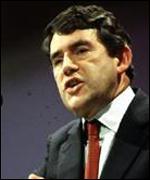
| | Wednesday, 22 January, 2003, 13:25 GMT Brown to set out aid cash plan  The aim is to increase aid funding by $50bn
Mr Brown announced the broad outline of plans for a new International Financing Facility (IFF) - aimed at providing a massive increase in cash for the world's poorest countries - in the pre-Budget report last November.
The aim is to increase global spending on aid from $50bn a year to $100bn, with Mr Brown warning that unless efforts are stepped up to boost aid budgets, the Millennium Development Goals on poverty will not be reached. The MDGs, agreed in a United Nations declaration in September 2000, call for a halving of the number of people living on less than $1 a day. The chancellor's plan is take a long-term approach to aid by issuing bonds to raise cash up front and effectively lock-in future governments to the strategy. Mr Brown has discussed his proposals with finance ministers in donor countries including the US, France, Germany and Italy, as well as with the heads of the IMF and World Bank. Bold And in a speech in London on Wednesday, he said some countries had already agreed to back the plan with "long-term binding commitments".
He said: "As I speak, almost 40 million men, women and children in sub-Saharan Africa are facing famine - and for many, death. "The world must act quickly and boldly to avoid today's crisis becoming tomorrow's calamity." He went on: "As a matter of urgency we must look at ways by which the benefits of existing and future aid pledges can be maximised. " Gap He added: "Poor countries need not just one-off emergency allocations that depend on the whims of donors but long-term commitments to sustain lasting change." Mr Brown said the IFF would be in operation for 15 years, with the money raised through bonds paid back over 30 years. He said this would bridge the gap between current funding pledges for aid and the funds needed to meet the Millennium Development Goals. Mr Brown said any country drawing money from the fund would have to show that it is pursuing anti-corruption policies, opening up markets for trade and agreeing plans for building schools, hospitals and other services. He sees the advantages of his plan as their being a move towards the Millennium Development Goals and the long-term commitment it would bring from developed countries to those trying to achieve the goals. Alone He said it would see countries moving closer to the target of contributing 0.7% of GDP on development aid and create a "predictable and stable flow of aid" to countries seeking to reduce poverty. Mr Brown said: "For its part the UK stands ready to provide the long-term commitment that is necessary, but we cannot make progress alone. "We seek to build support within the entire international community for our proposal and I believe that this is an area where Britain can again show leadership. "Acting together with clear purpose and urgent resolve, the world can by 2015 meet the Millennium Development Goals and tackle the evil of global poverty." Mr Brown said the IFF would give developing countries the means to invest in schools and healthcare, roads and legal systems. That would create an environment for business to start-up, invest and grow, he said. Essential "And as families in those countries are lifted out of poverty, new and dynamic markets will be created," he said. Aid agencies generally back Mr Brown's plans, saying few others on the world stage have come up with ways of addressing the need for new proposals if the MDGs are to be met. Shadow international development secretary Caroline Spelman said: "We support measures that will release funds to meet the Millennium Development Goals, but the success of the Chancellor's fund will depend on how many other countries come on board. "It is essential that Gordon Brown and (International Development Secretary) Clare Short build a coalition of international support for tackling poverty, or this big idea will come to nothing. "The government should remember that reforming trade rules and tackling trade barriers will be far more successful in leveraging resources for poor countries in the long term. "Promoting genuinely free trade offers the best hope for poor countries." | | See also:  04 Dec 02 | Africa 11 Nov 02 | Africa 20 Apr 02 | Business Internet links: The BBC is not responsible for the content of external internet sites | |||||||||||||||||||||||||||||||||||||||||||||||||||||||||||||||||||||||||||||||||||||||||||||||
 | |
|  E-mail this story to a friend E-mail this story to a friend |
| |
|
| | | ||
 | ||||
 | | Back to top
| ||
| ---------------------------------------------------------------------------------- To BBC Sport>> | To BBC Weather>> | To BBC World Service>> ---------------------------------------------------------------------------------- © MMIII | News Sources | Privacy |






 Poor countries need not just one-off emergency allocations that depend on the whims of donors but long-term commitments to sustain lasting change